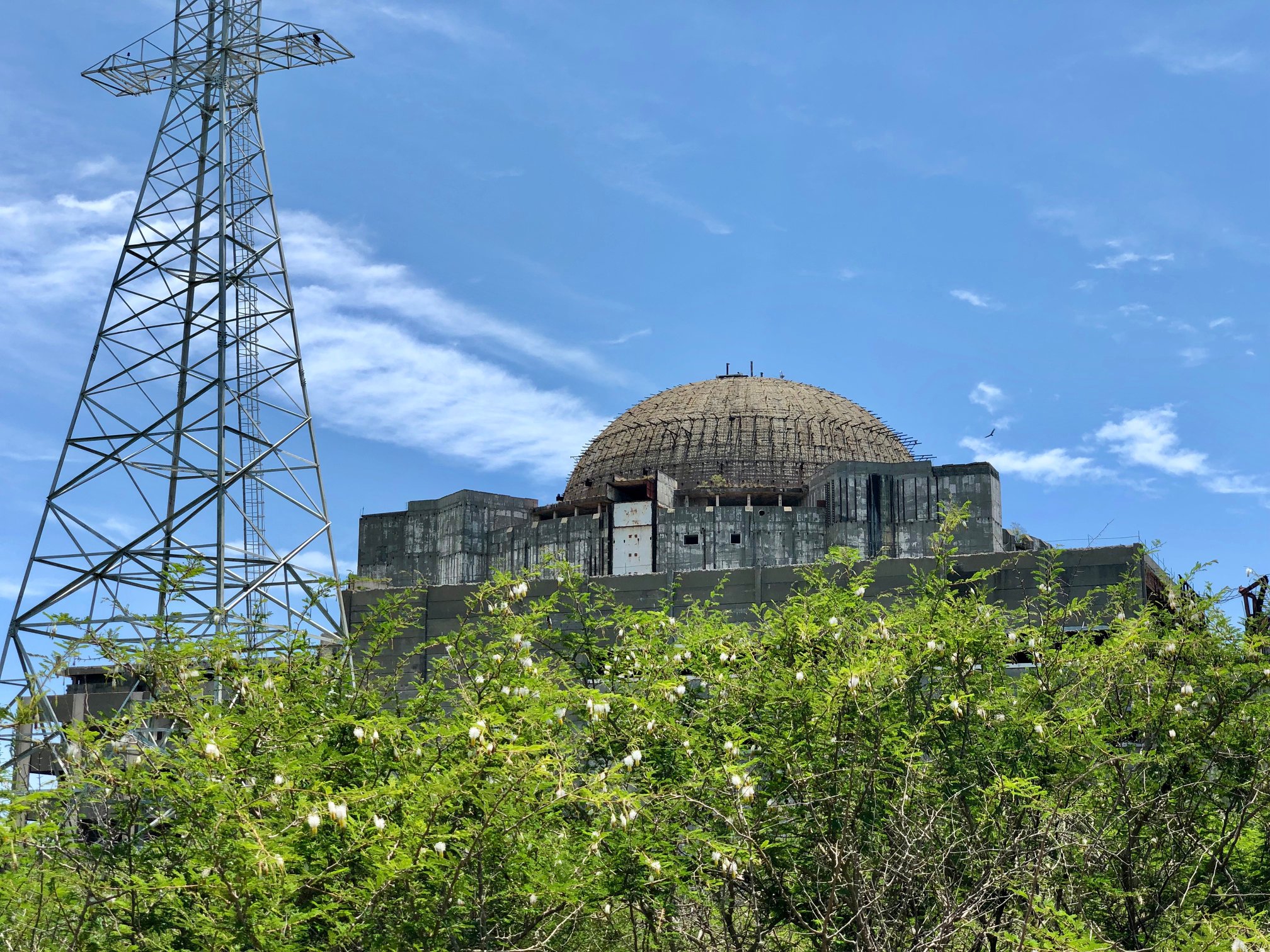
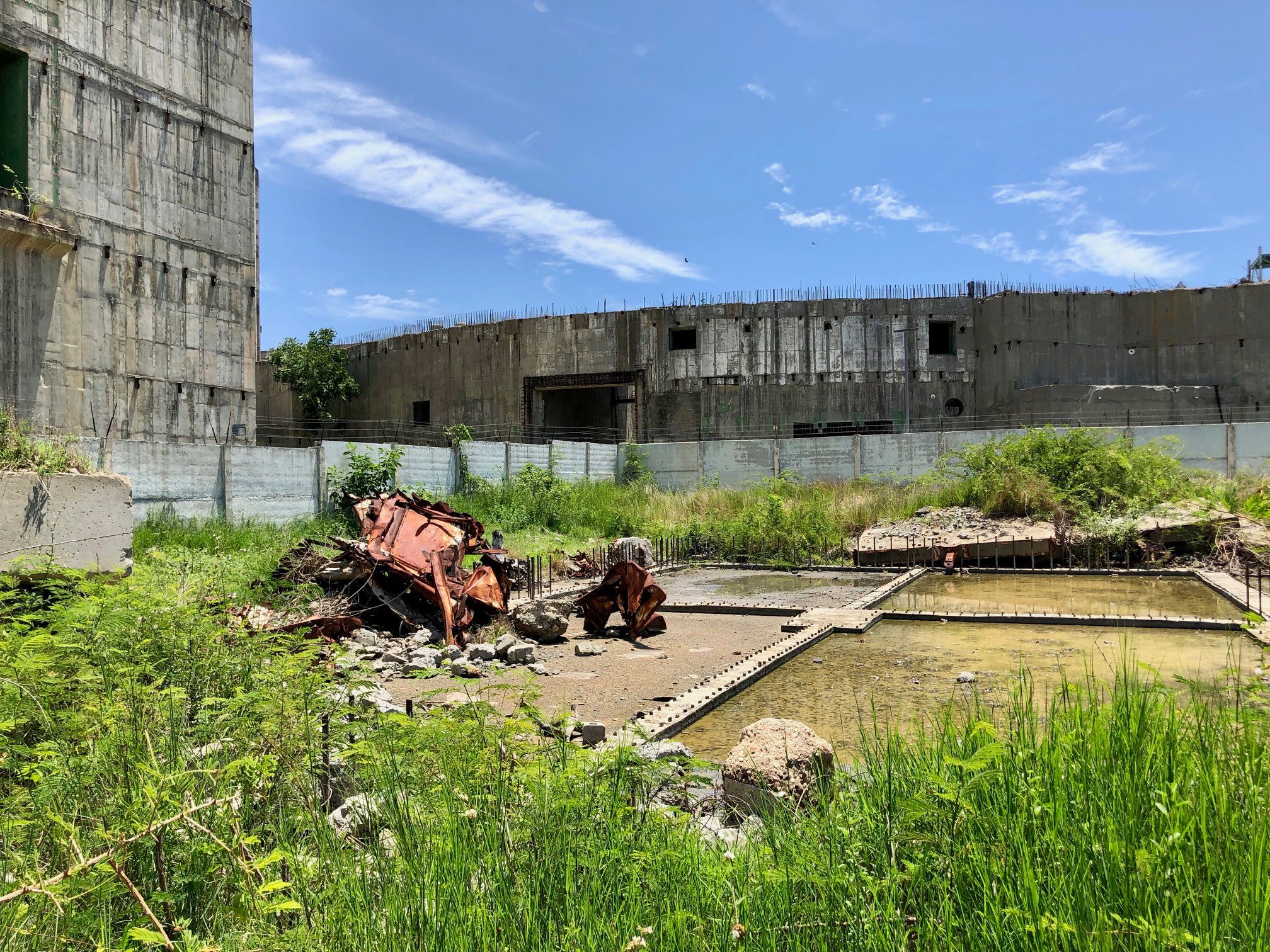
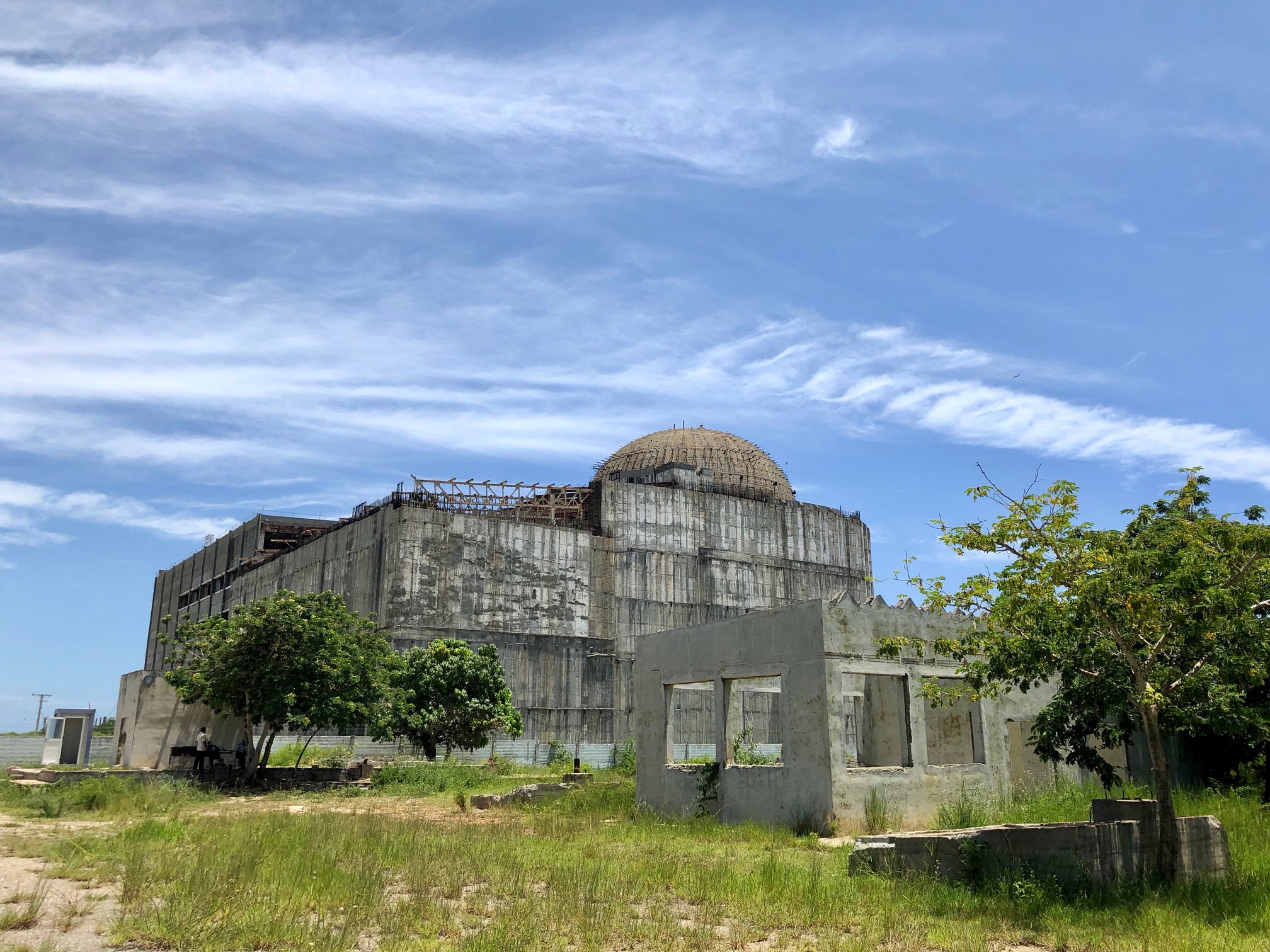
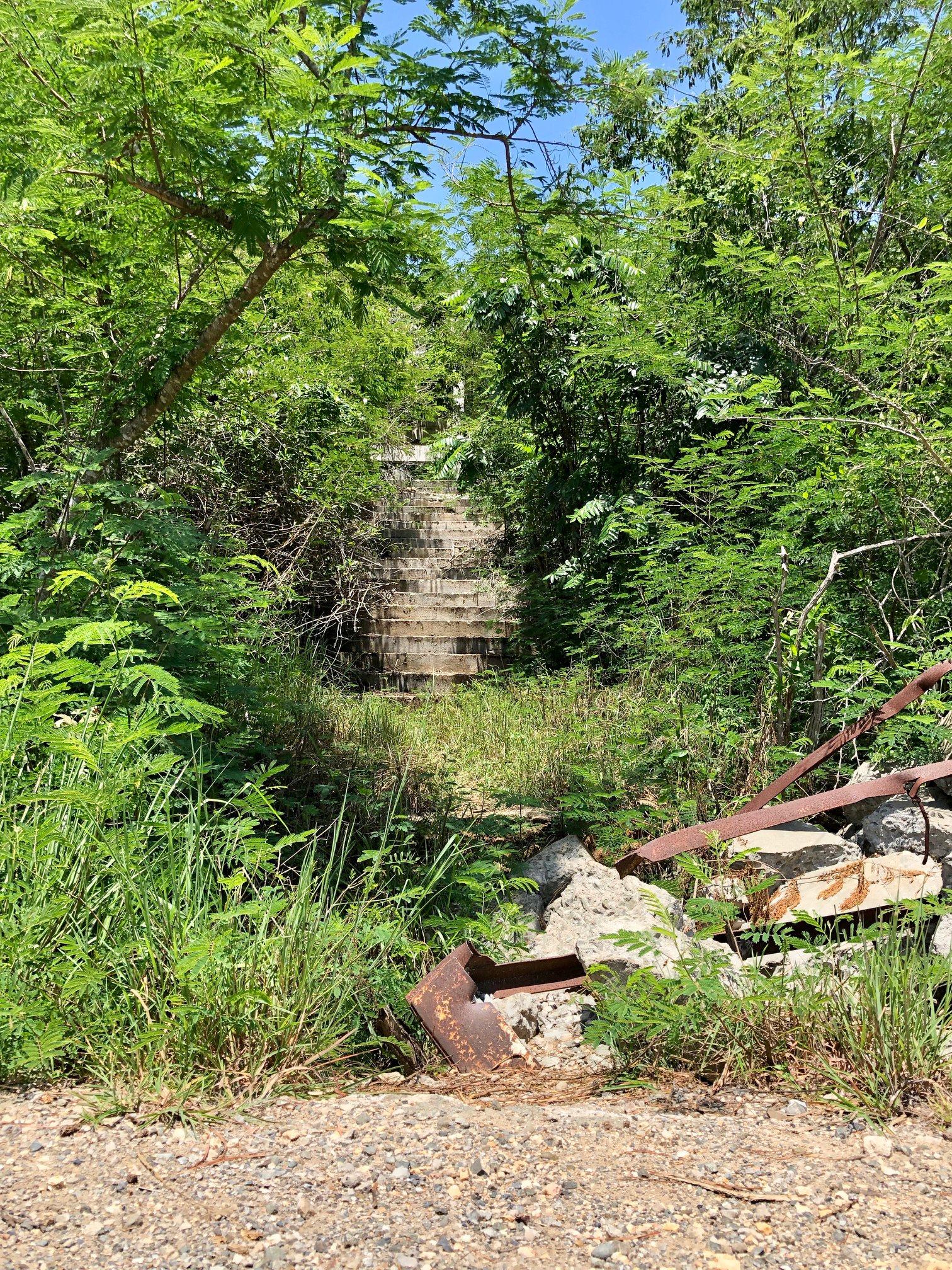
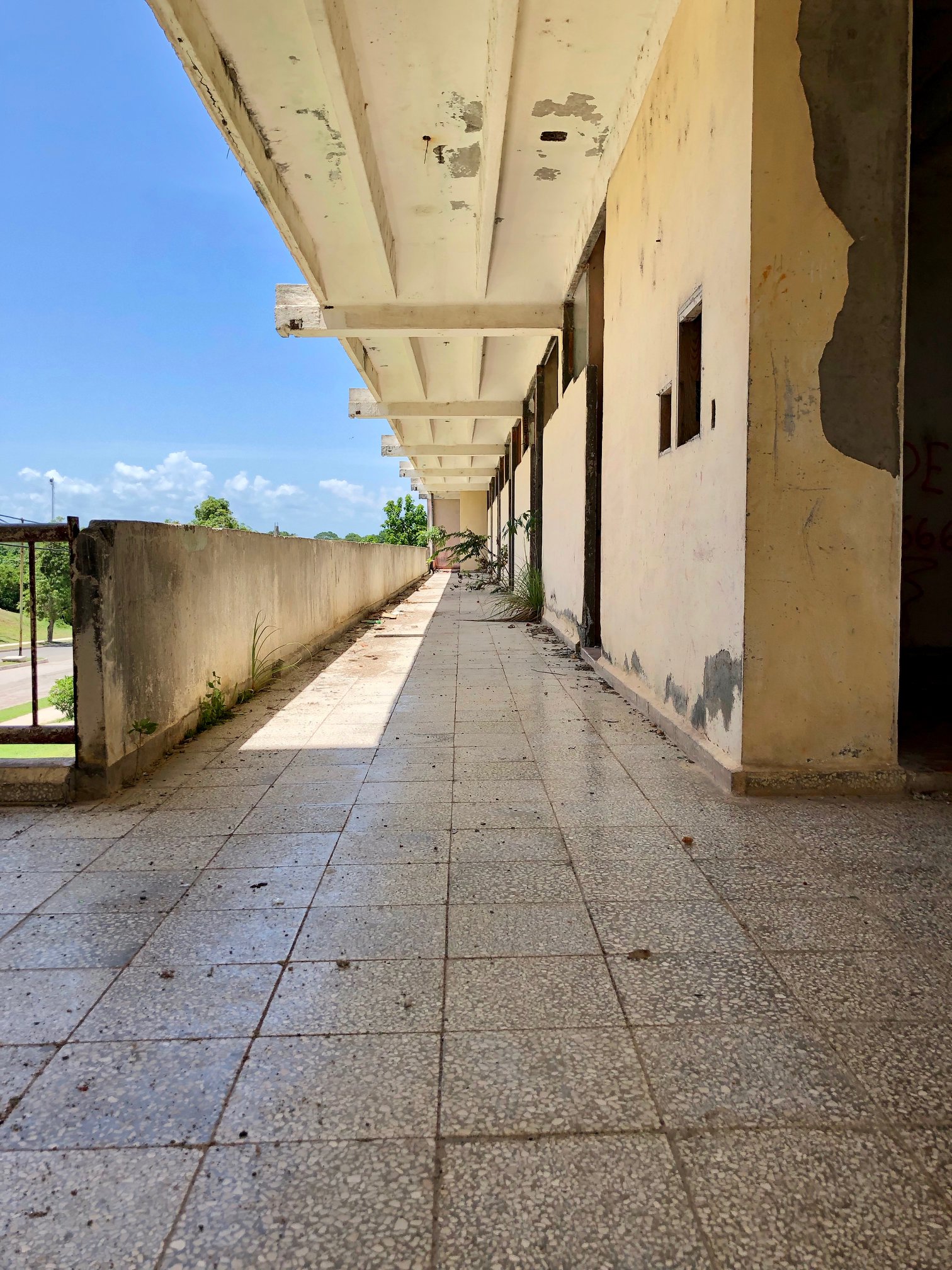
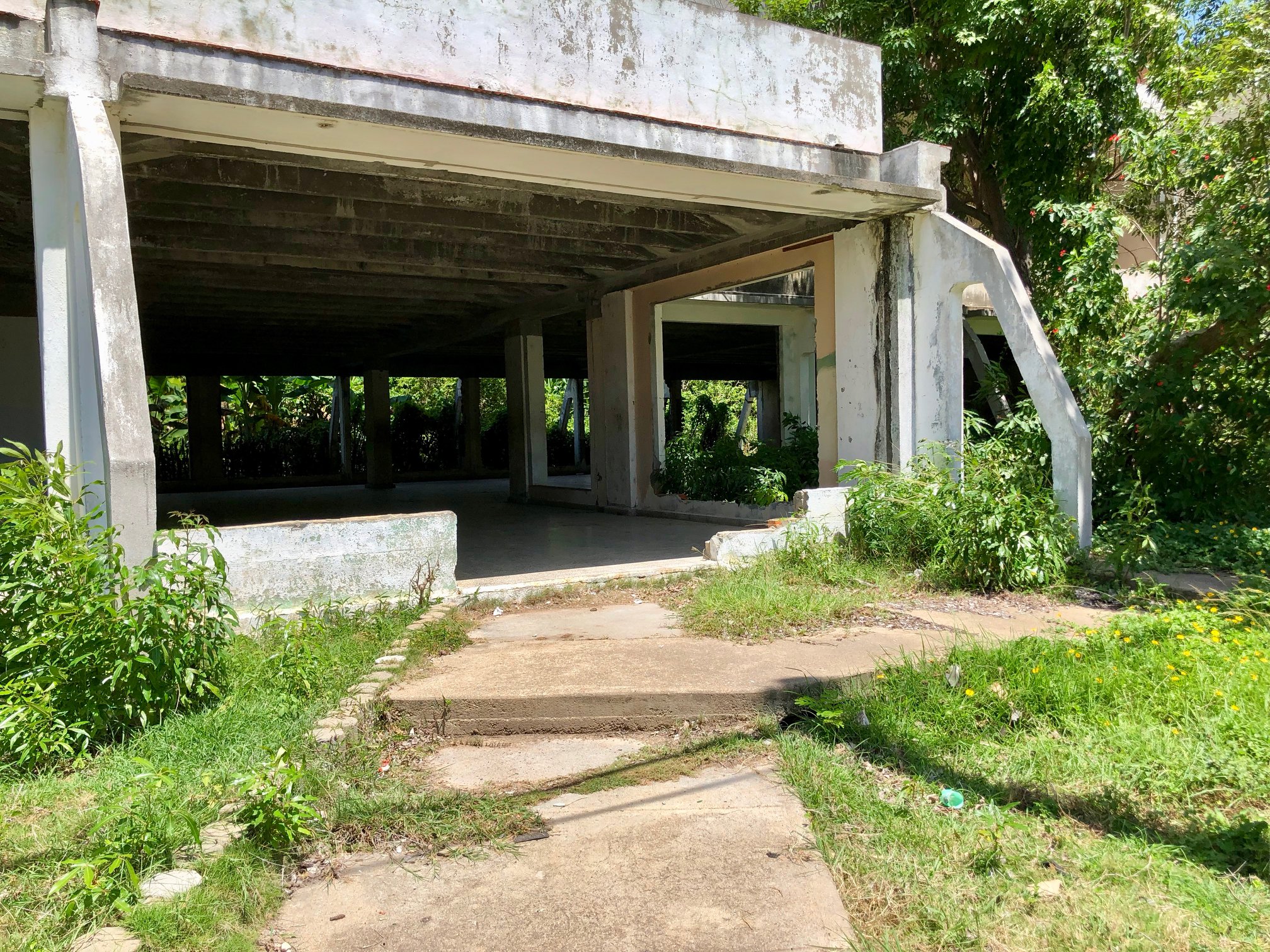
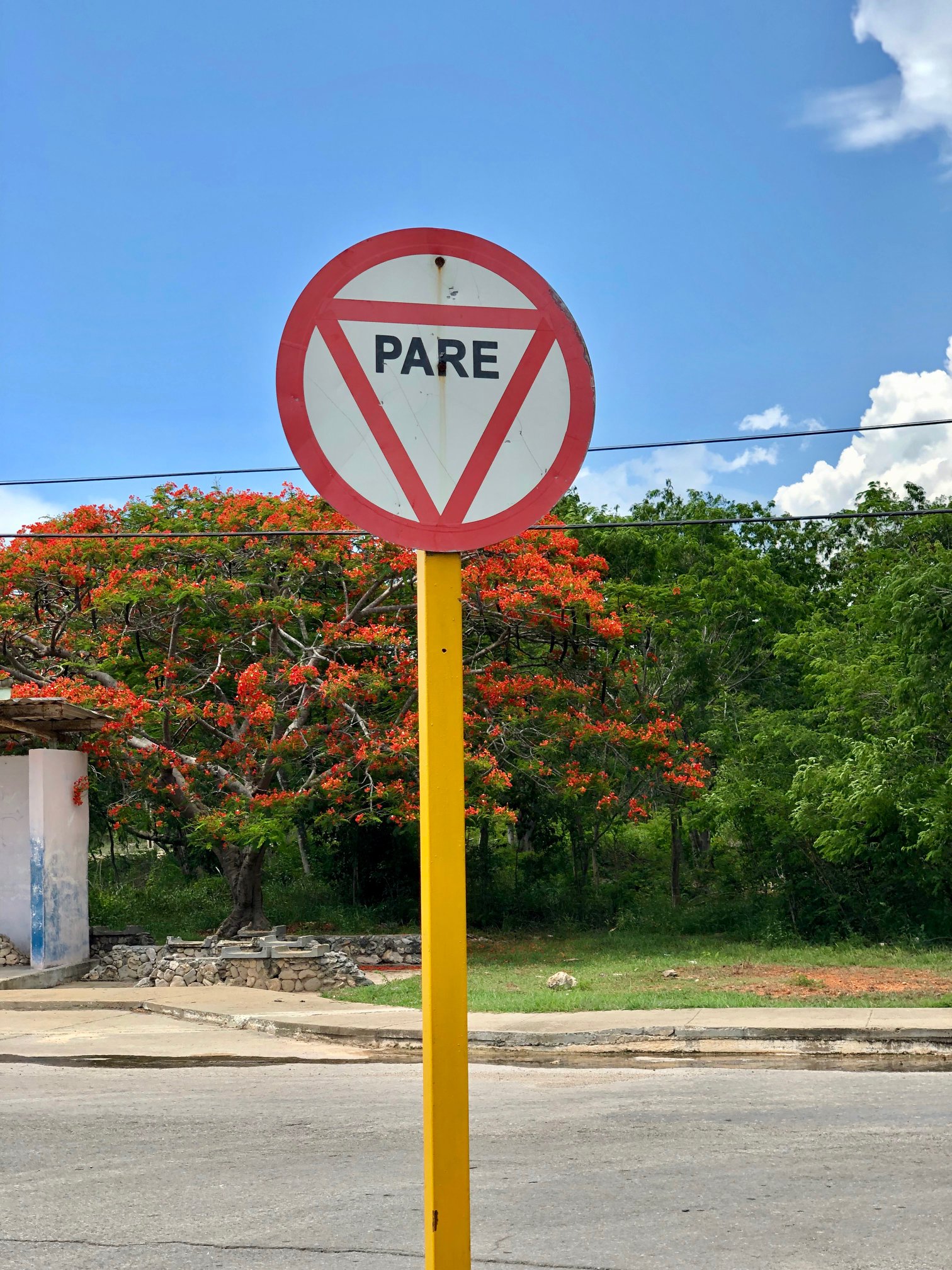
Juraguá Nuclear Power Plant, Cienfuegos Province, Cuba (2019)

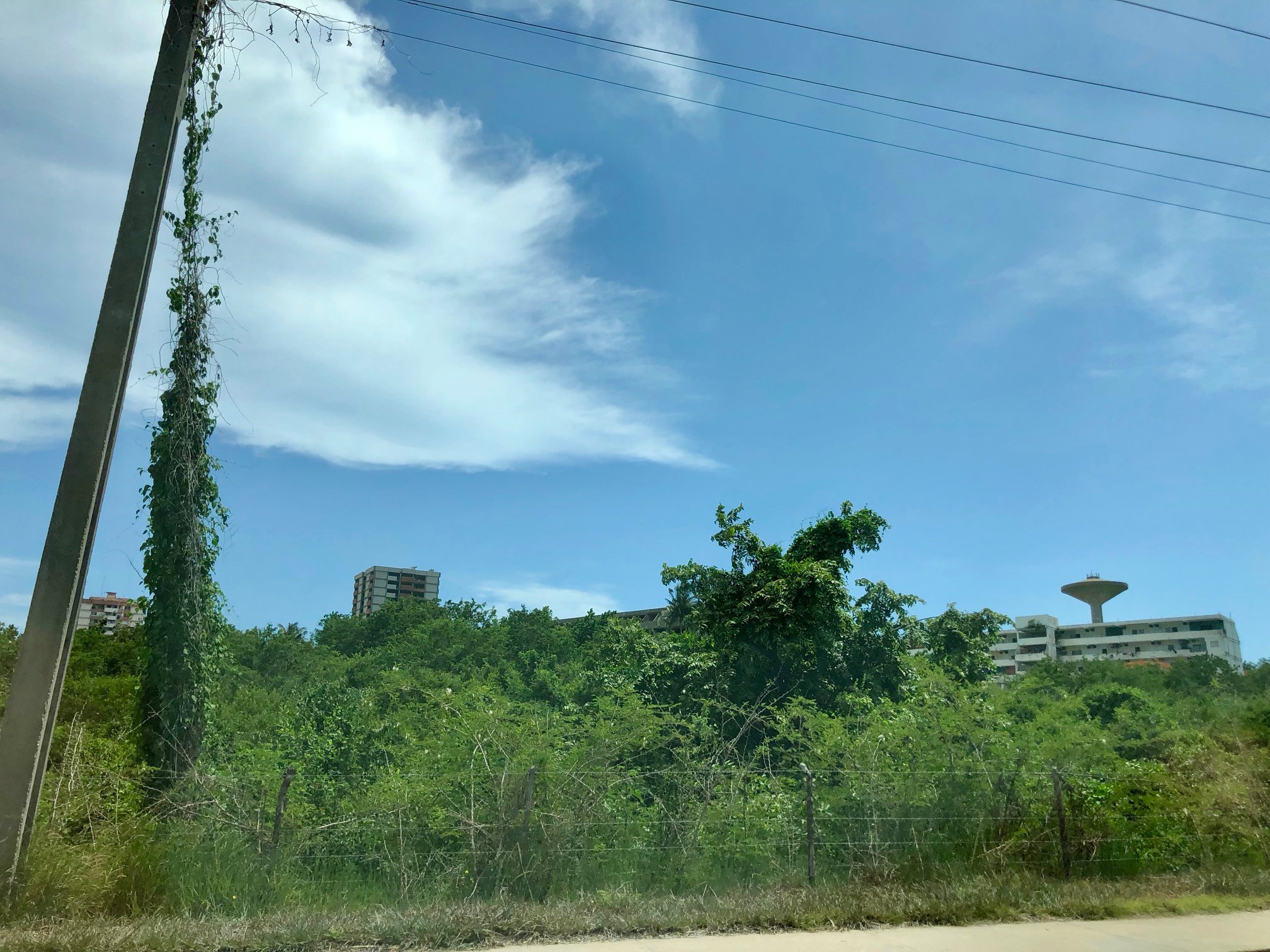
Along Cuba’s sparkling southern Caribbean coast, our taxi wound its way through seemingly endless sugarcane fields, the abandoned partially-completed Juraguá nuclear Power Plant just a prospect on the horizon. 

[Essay continues below…]
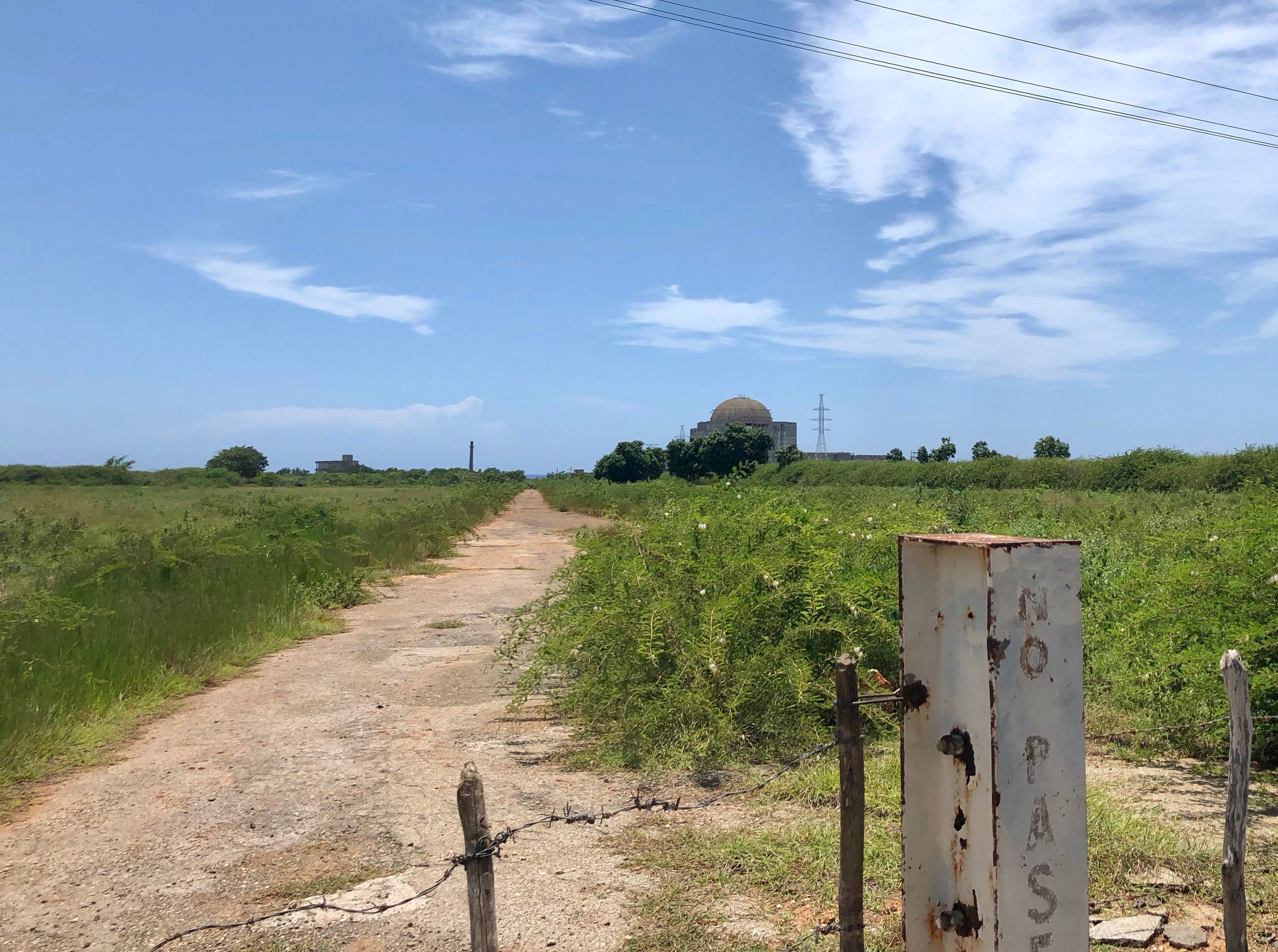
William, a resident of Havana, had agreed to drive Becca and me the 238km, undeterred by the fact that the plant did not appear on most maps and that we had no GPS to guide us. I expected we would have difficulty finding it, but William brought the Lada to a halt several times, craning his neck out into the stifling August heat to ask for guidance from passersby, “¡Buen día!” he called out. I was struck by the alacrity with which these kind strangers offered their assistance.

As we continued our journey, the landscape seemed to echo the ambitions and disappointments of Cuba’s nuclear past. From my research, I knew that construction on Juraguá began in 1983, bankrolled by the Soviet Union. Juraguá was to house two Soviet-designed pressurized VVER-440 V318 water reactors that would produce as much as 15 percent of Cuba’s electricity needs. The design was to be state of the art and differed from the Chernobyl-era RBMK reactors in that its core and fuel elements were to be contained within a pressurized steel dome.

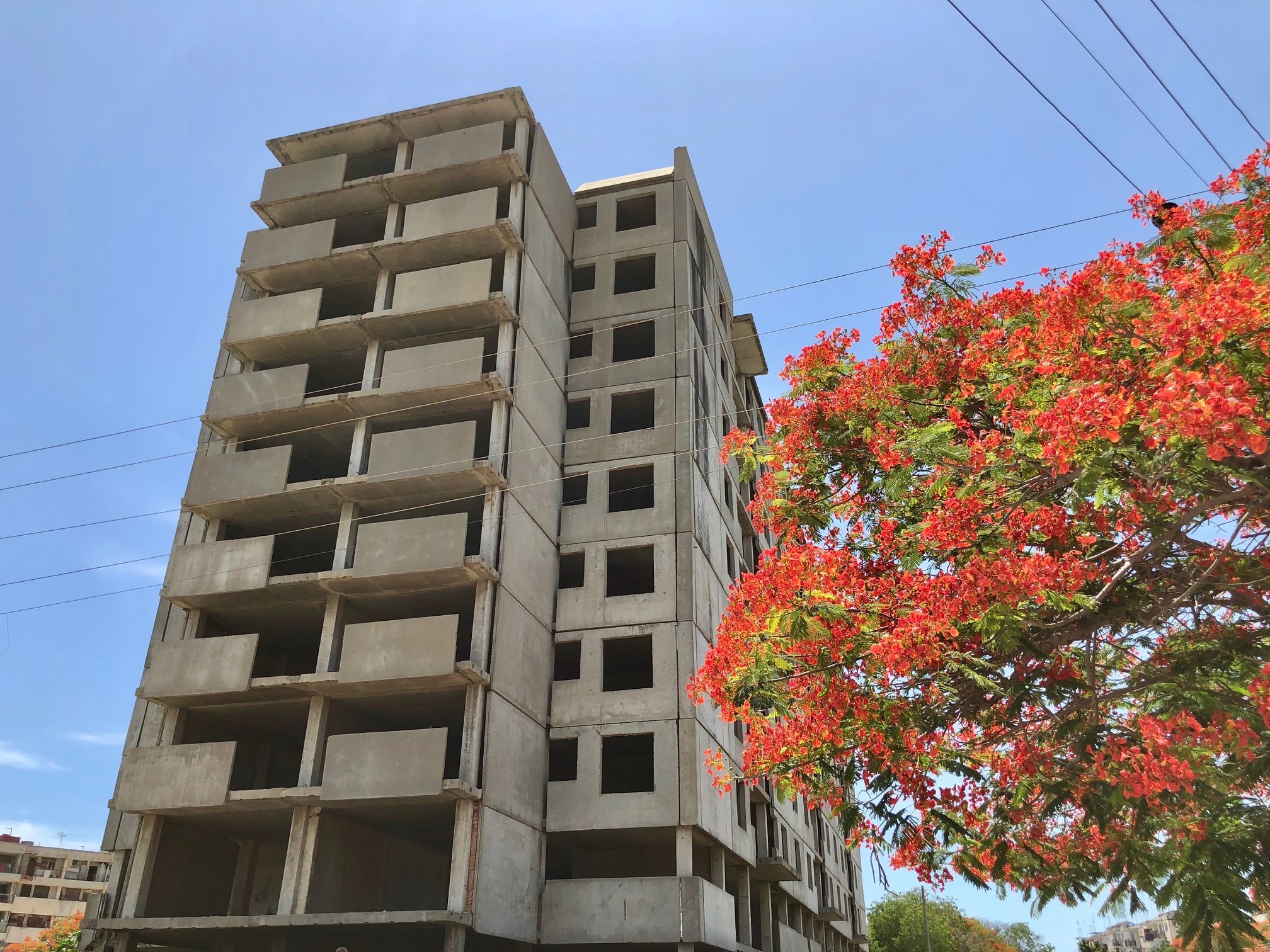
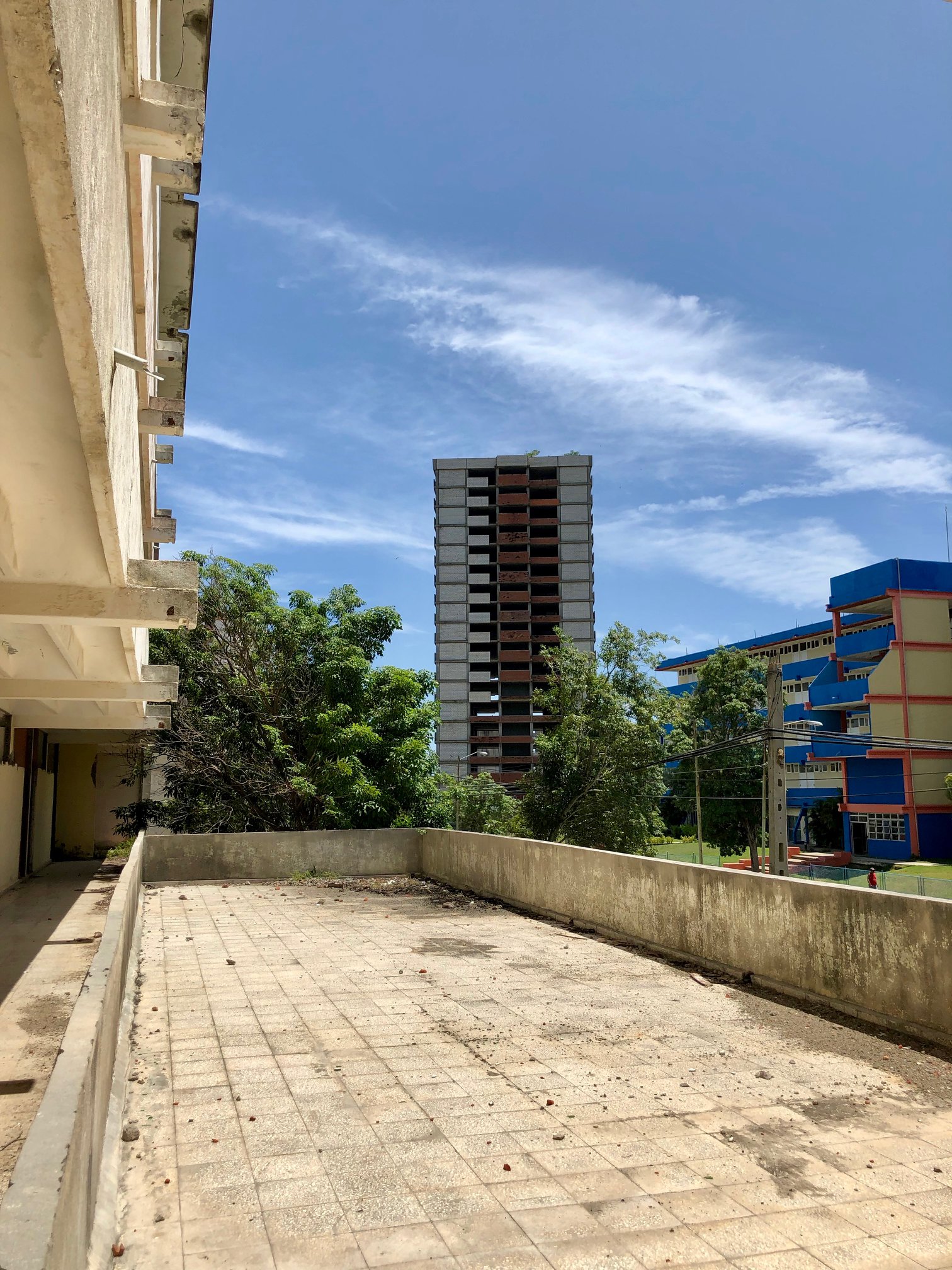
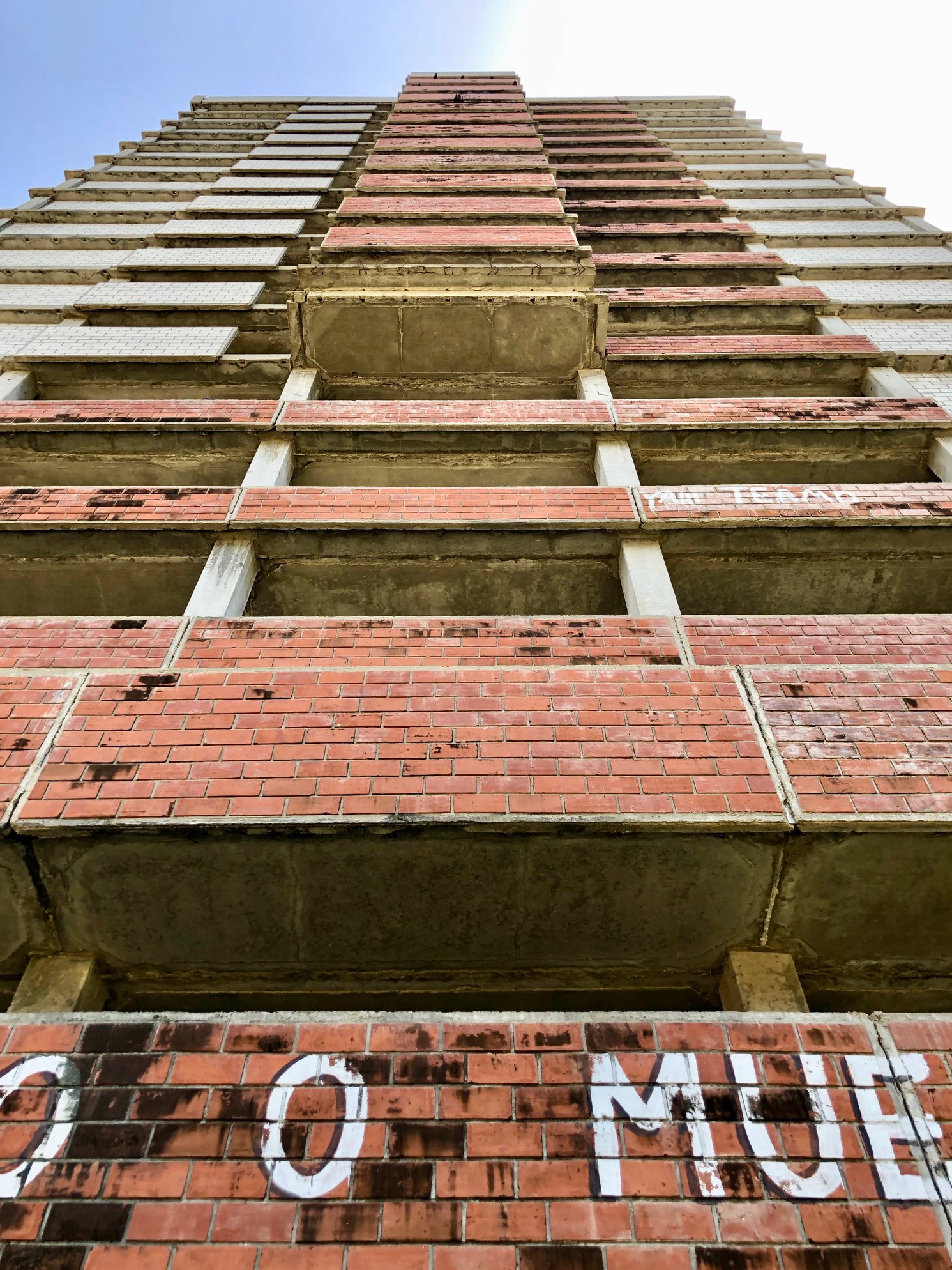
Just as Ukraine’s Chernobyl had the neighboring city of Pripyat and Lithuania’s Ignalina facility had Visaginas, Juraguá was to be accompanied by a planned city. Dubbed Ciudad Nuclear, the city was to contain 4,200 homes to house the plant’s scientists, engineers, and other workers and their families. Construction began on high-rise towers, some 15-20 stories in height.

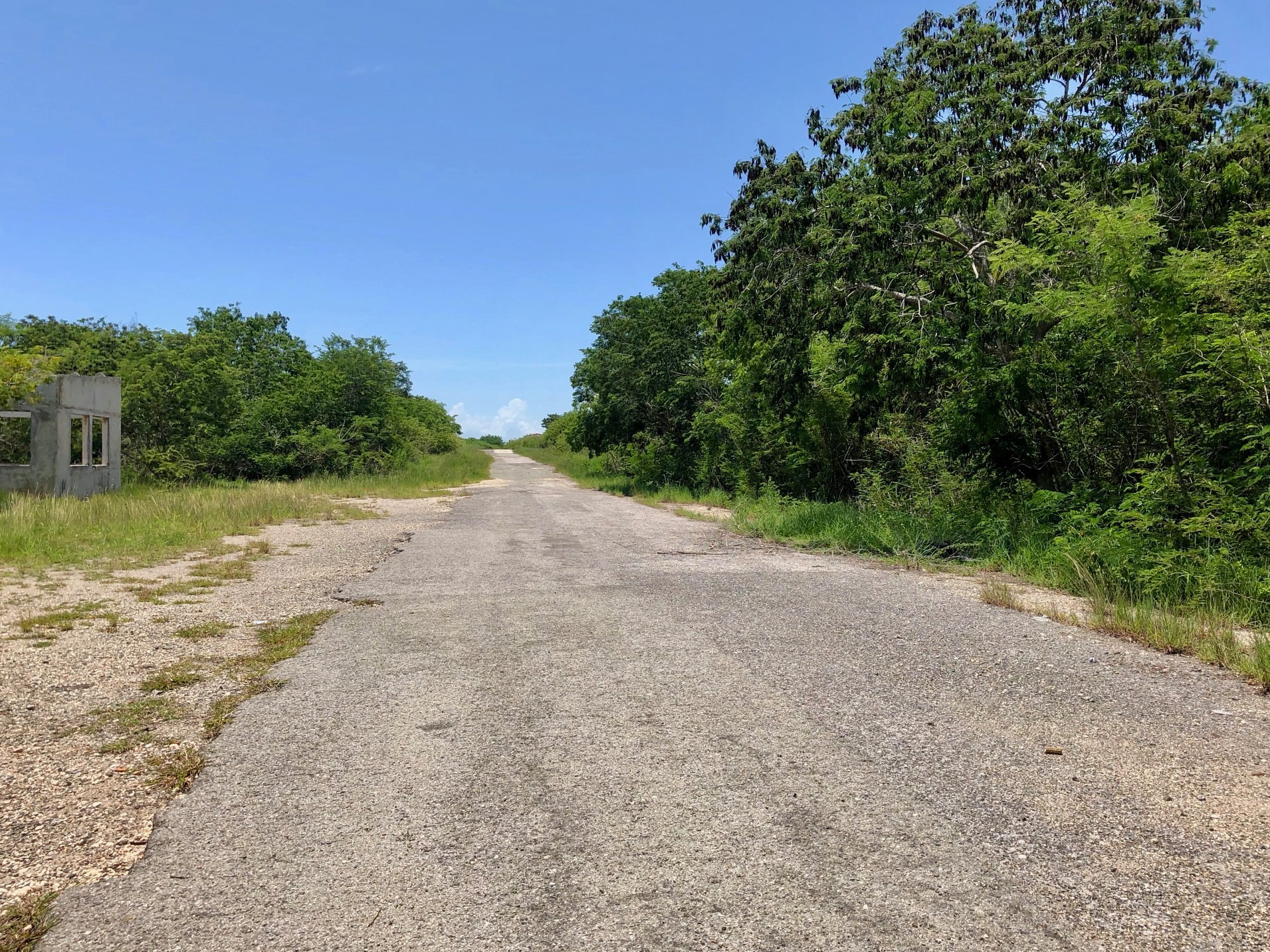
By the time we reached the end of a narrow, tattered concrete road, I thought of President Fidel Castro’s words—he had called the project “the undertaking of the century.” By 1992, with $1.1 billion USD invested, approximately 90 percent of Juraguá’s foundations and 40 percent of its machinery had been installed. However, the project stalled in 1992 when funding dried up due to the collapse of the Soviet Union. 

At mid-afternoon, Juraguá’s faded yellow dome finally appeared before us, resembling a depraved Ayasofia with electricity pylons standing in place of minarets. We reached the end of the road to find a guard sitting at a picnic table. I recalled bloggers’ accounts of arriving only to be informed by said guard that photographs were expressly prohibited. William told us to sit tight. He approached the guard and I could hear his colloquial Spanish faintly in the distance. His arms gestured back toward the car repeatedly. The guard sat hunched over the table, stone faced. A tense couple of minutes passed until William jogged back over, jumped into the driver seat, and said in a somewhat apologetic tone that we could not enter the reactor, but we could snap pictures from the outside.

For the remainder of the 1990s, Cuba and Russia made pleas to other nations for the $750 million necessary to complete construction. Their attempts were unsuccessful. The Clinton Administration and various U.S. environmental groups expressed concern over having a Soviet-built nuclear facility only 300 miles from Miami. Moreover, Cuban nuclear workers who defected to the U.S. expressed concern over the project’s safety in a report to Congress. These actions, as well as the U.S. embargo of Cuba are said to have discouraged other nations from getting involved. Tensions reportedly grew between Castro and Russian President Boris Yeltsin (and later, Vladimir Putin) over Cuba’s Soviet-era debt, which was estimated to be upwards of $20 billion. Public-private partnerships with companies such as Siemens were equally unsuccessful. The two nations formally abandoned the project in 2000.

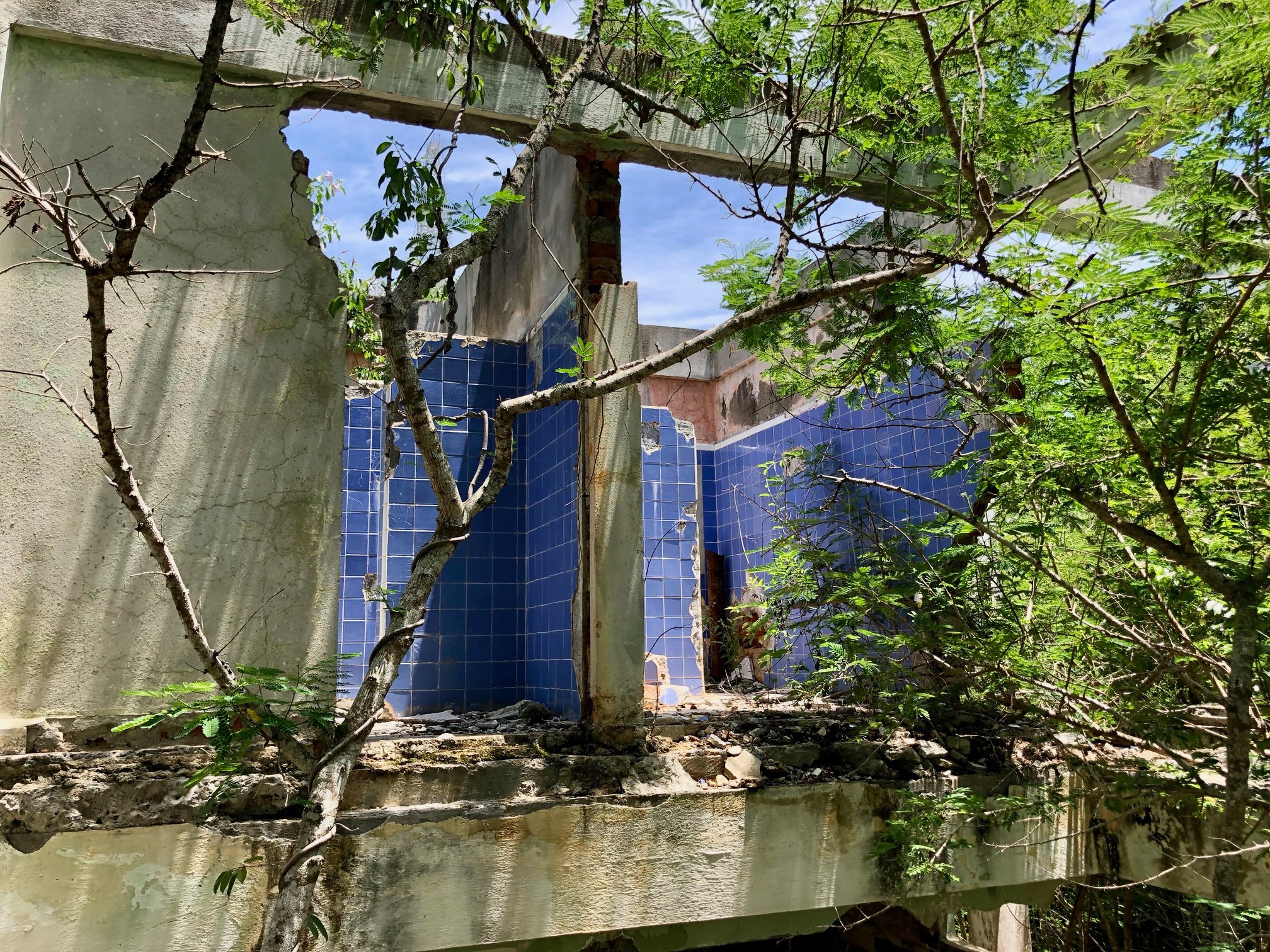
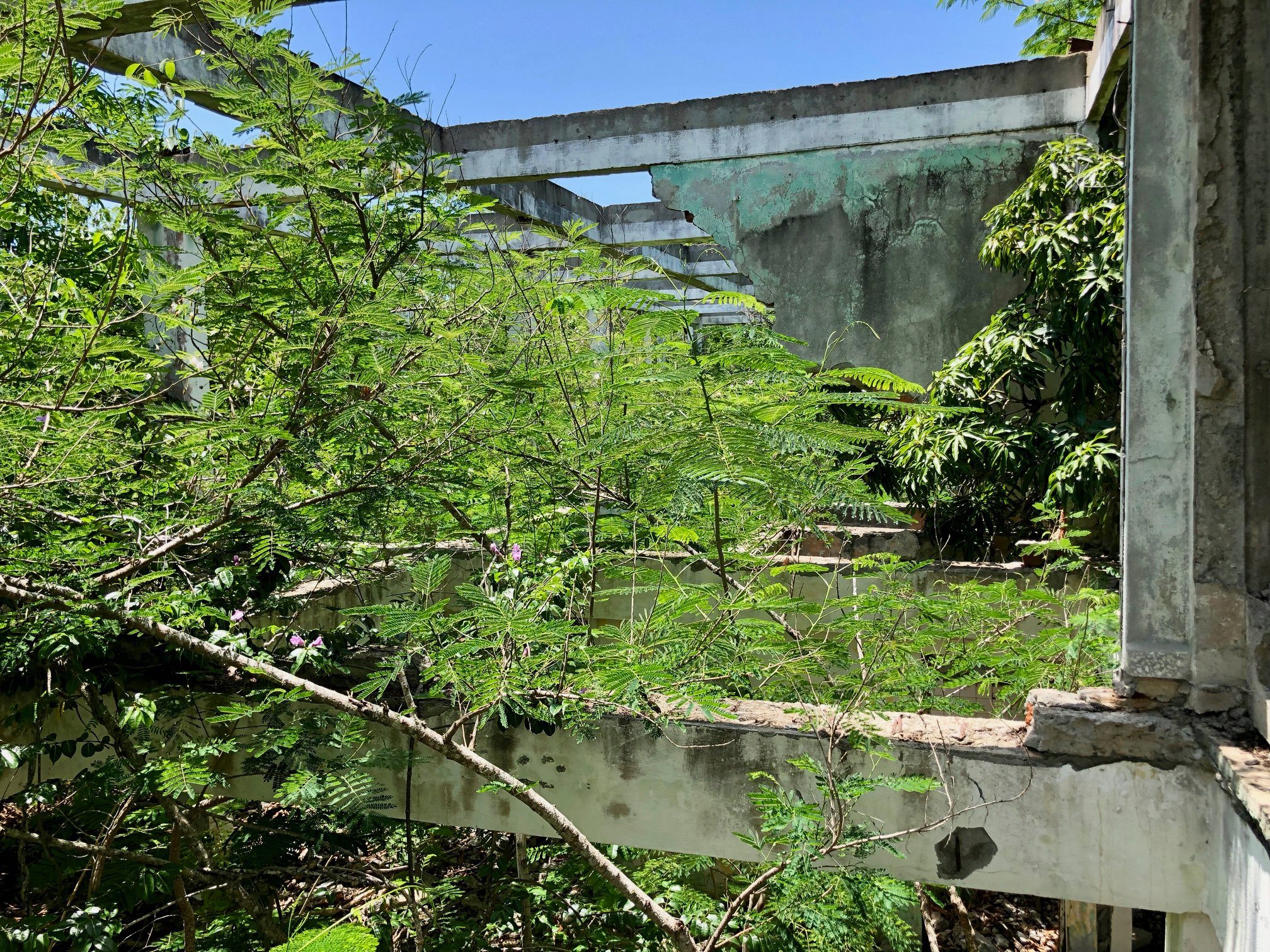
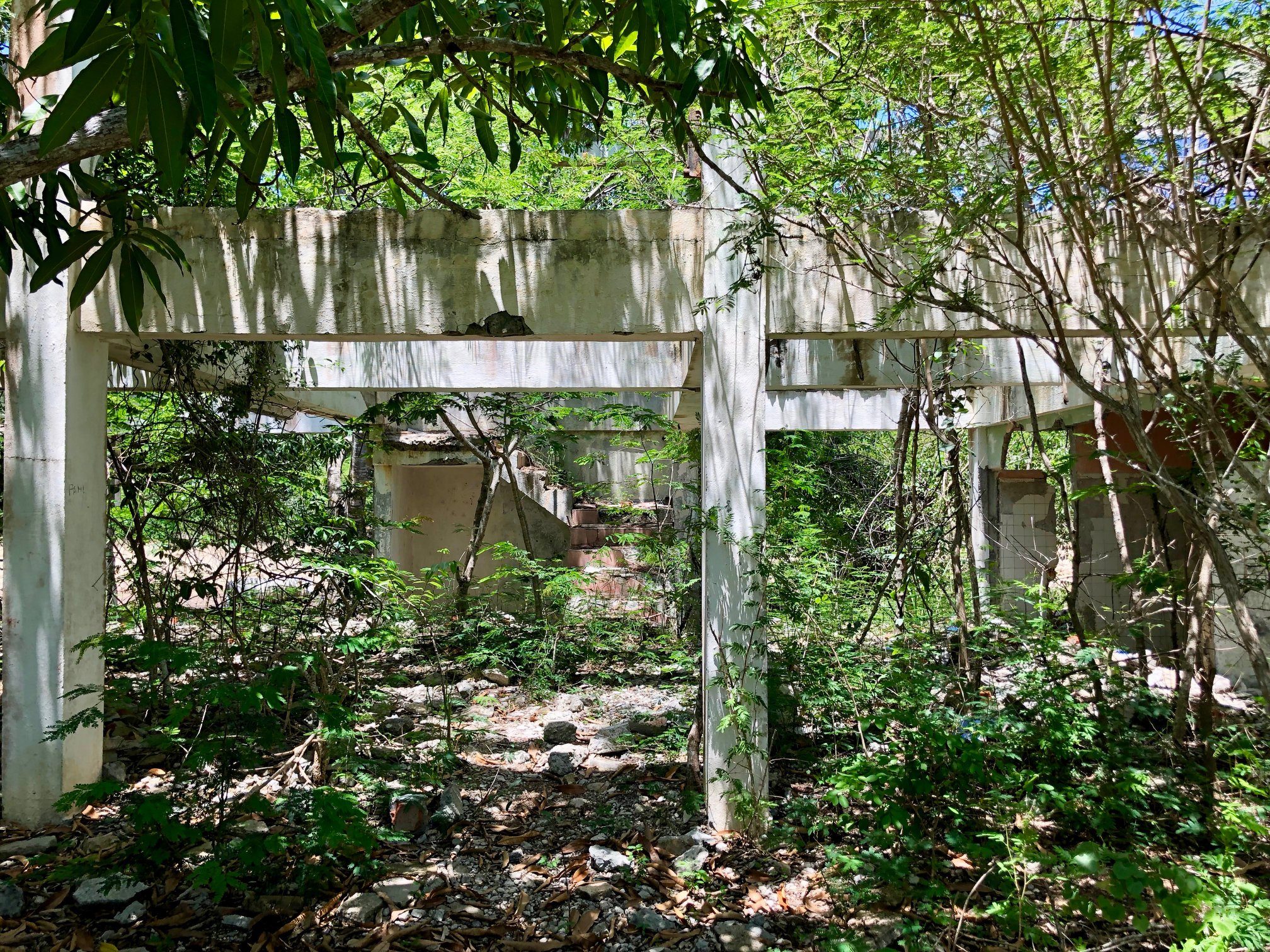
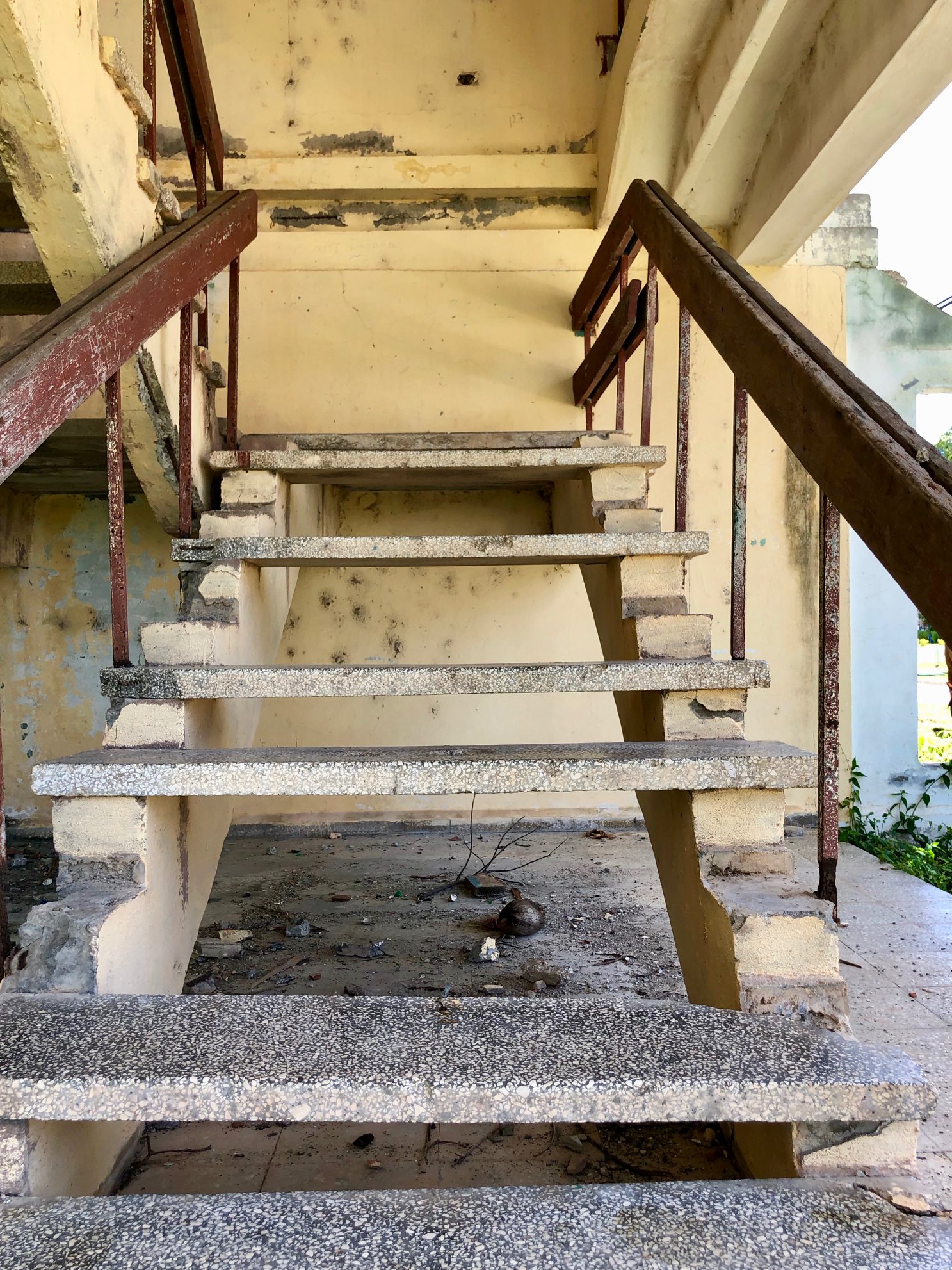
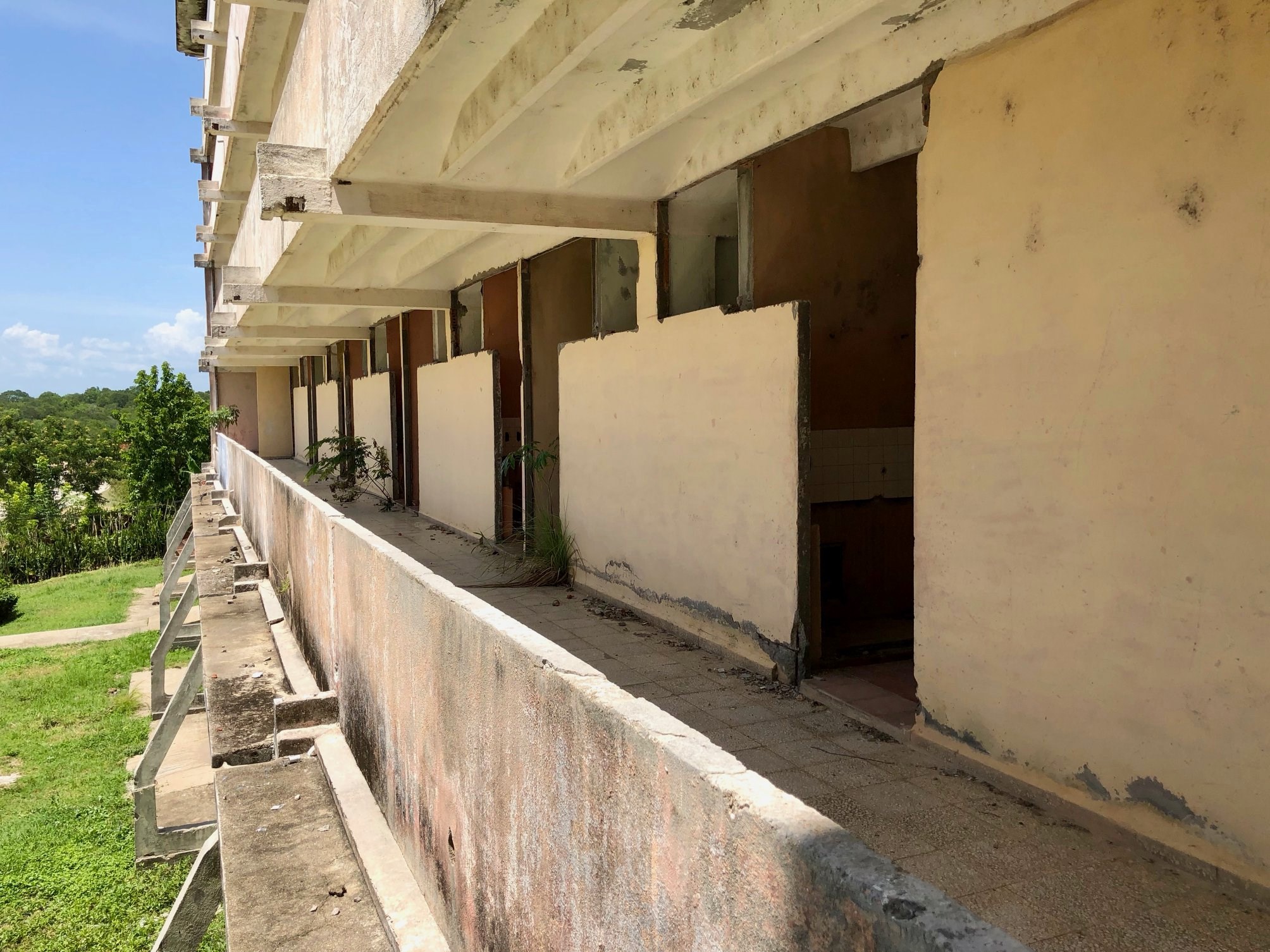
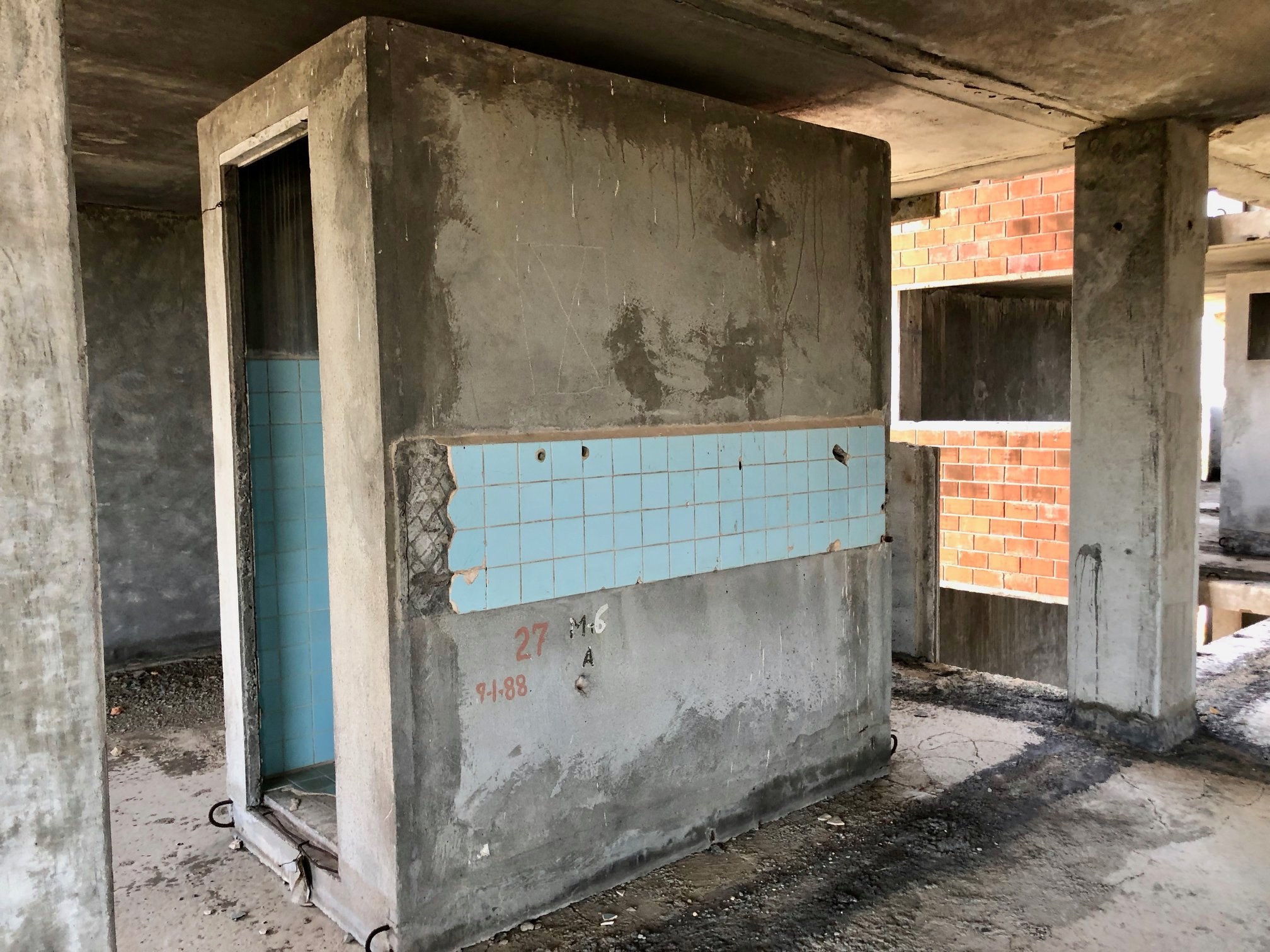
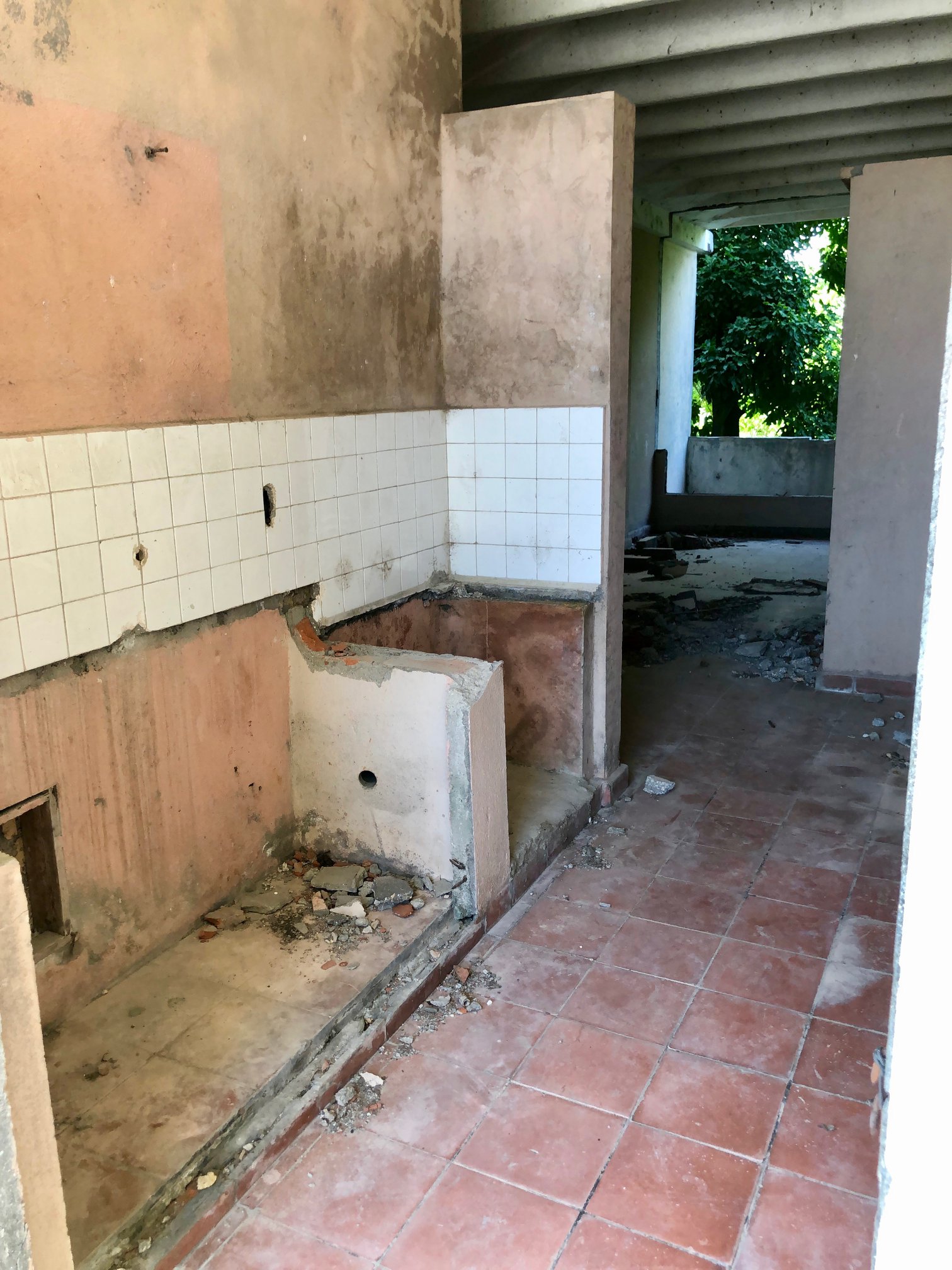
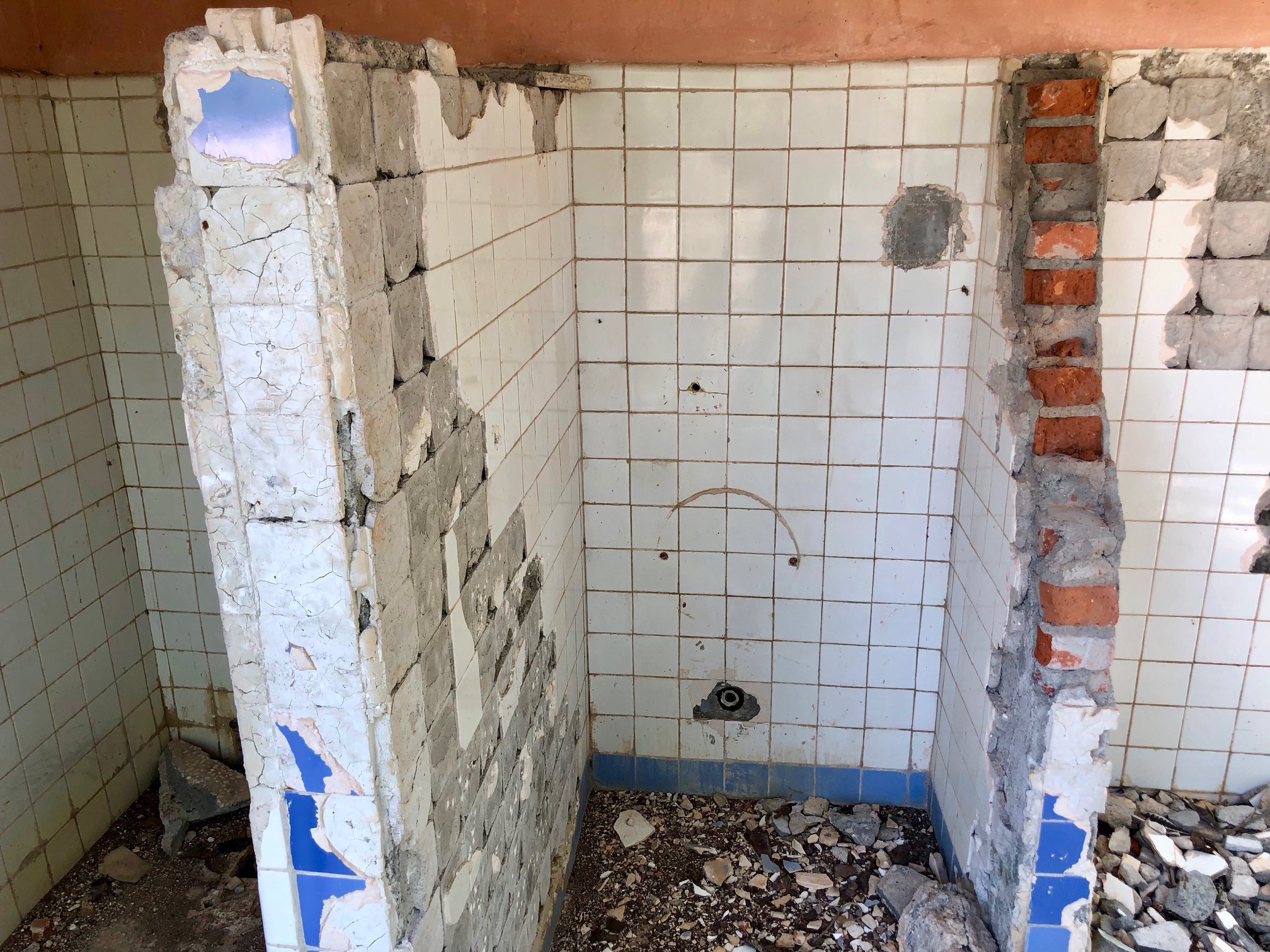
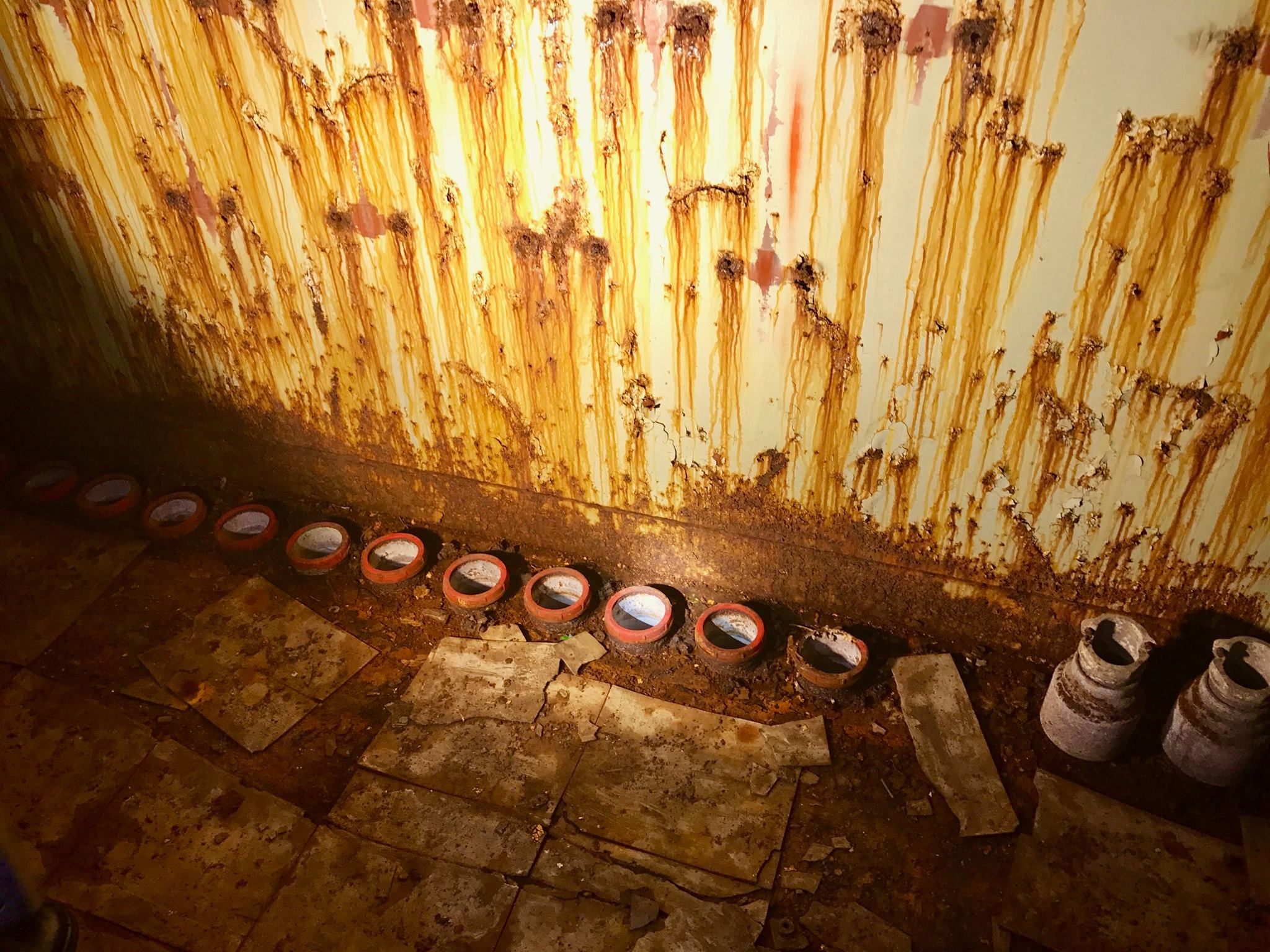
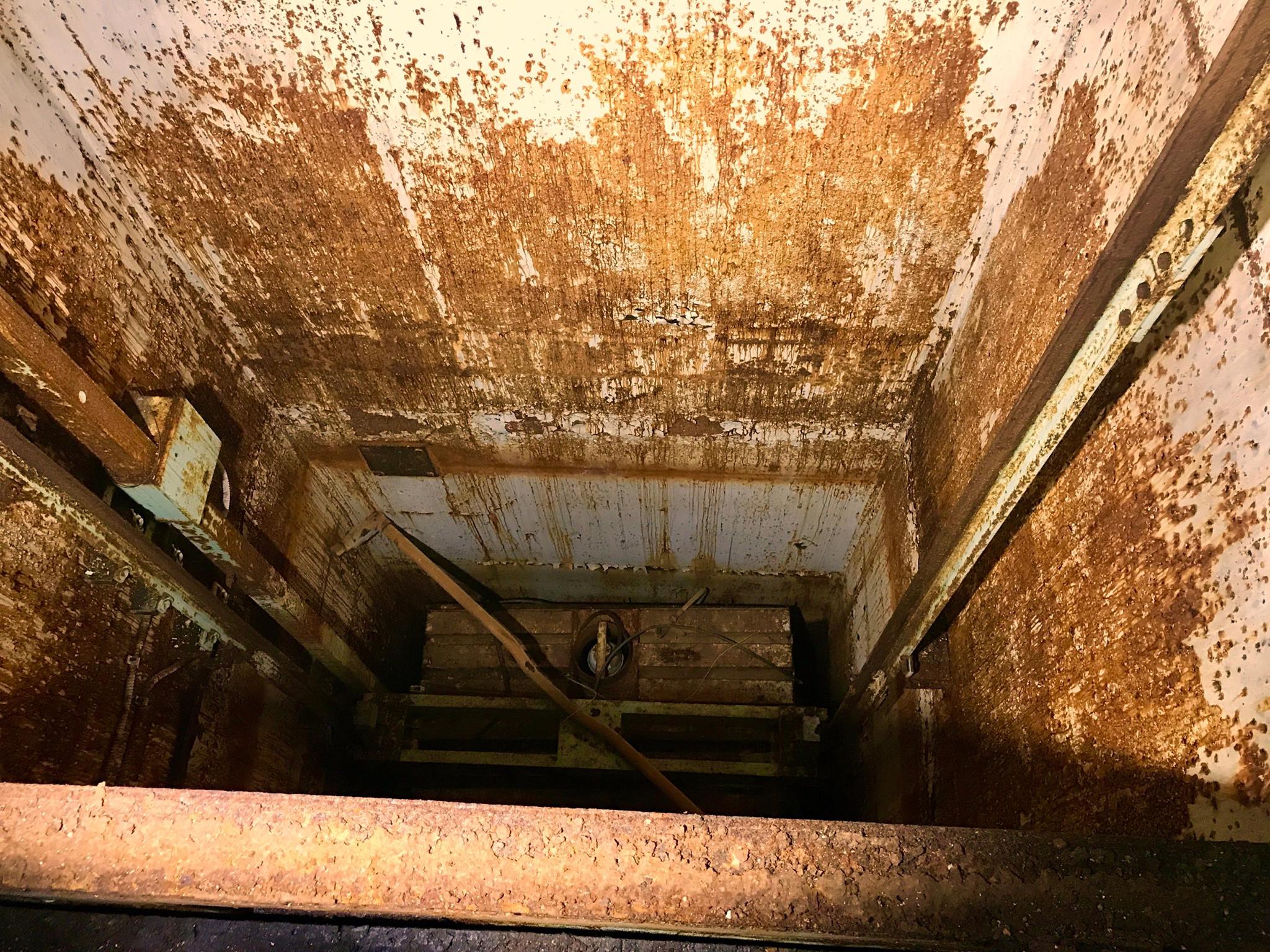
As we hopped out of the taxi I waved to the guard to express my thanks. William began conversing with him as we explored the perimeter. To the left was a mysterious staircase. I locked eyes with the guard and pointed up to it. He nodded back. I proceeded up the stairs and stumbled upon a dilapidated two-story concrete structure that contained half-completed shower stalls, blue tiles chipping at the edges. These perhaps would have been the decontamination facilities that the plant’s employees would have used to remove radioactive particles from the skin and hair in the event of exposure.

We then trudged through the overgrown vegetation toward the massive concrete shell of the reactor building, its surface stained with streaks of rust and mold, its perimeter wall flanked by barbed wire. Exposed rebar jutted up from its incomplete sections. After taking in the sight of the towering reactor, its rusted bones and unfinished edges stark against the clear blue sky and tropical greenery, we piled back into the Lada. 

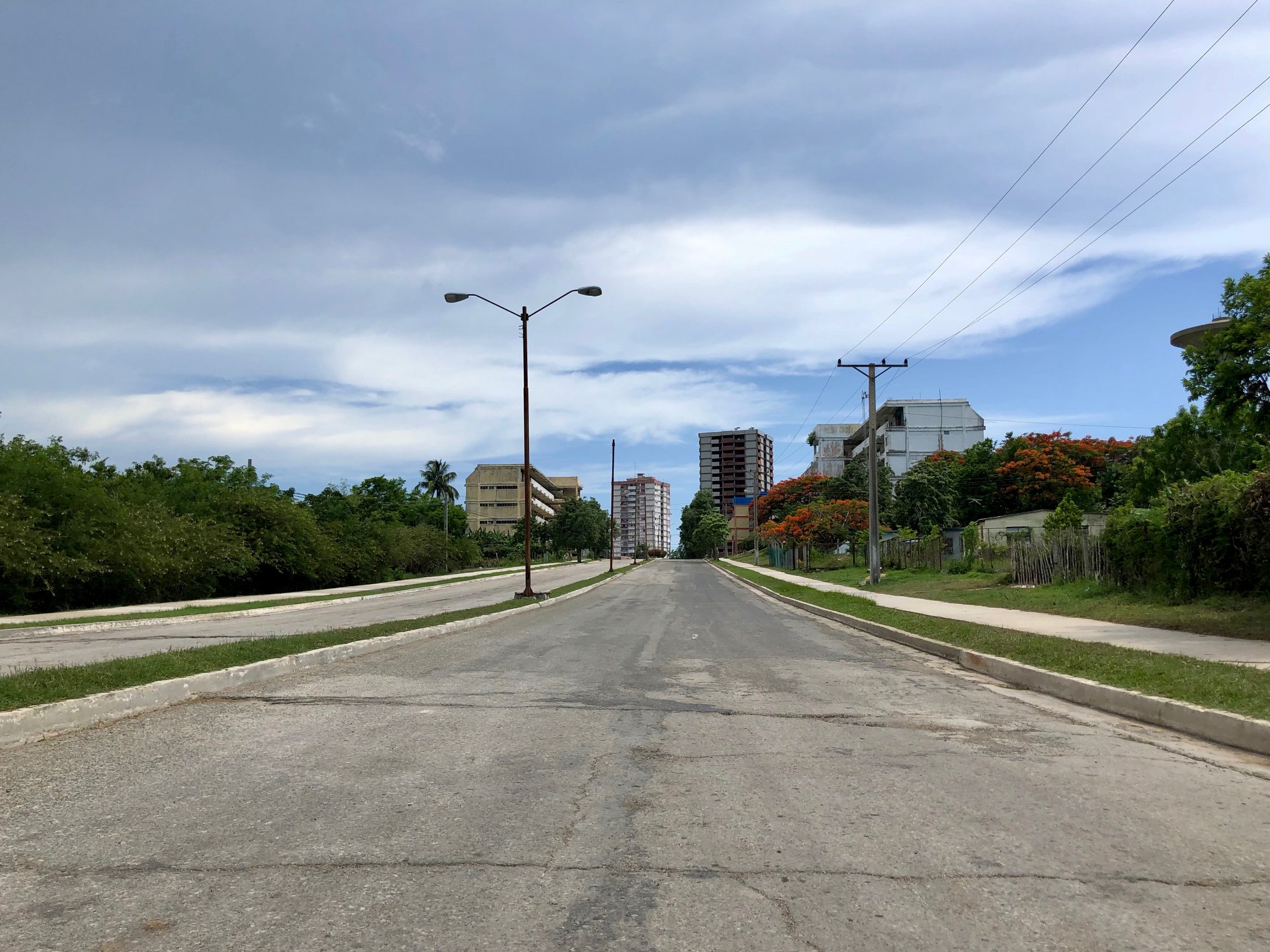
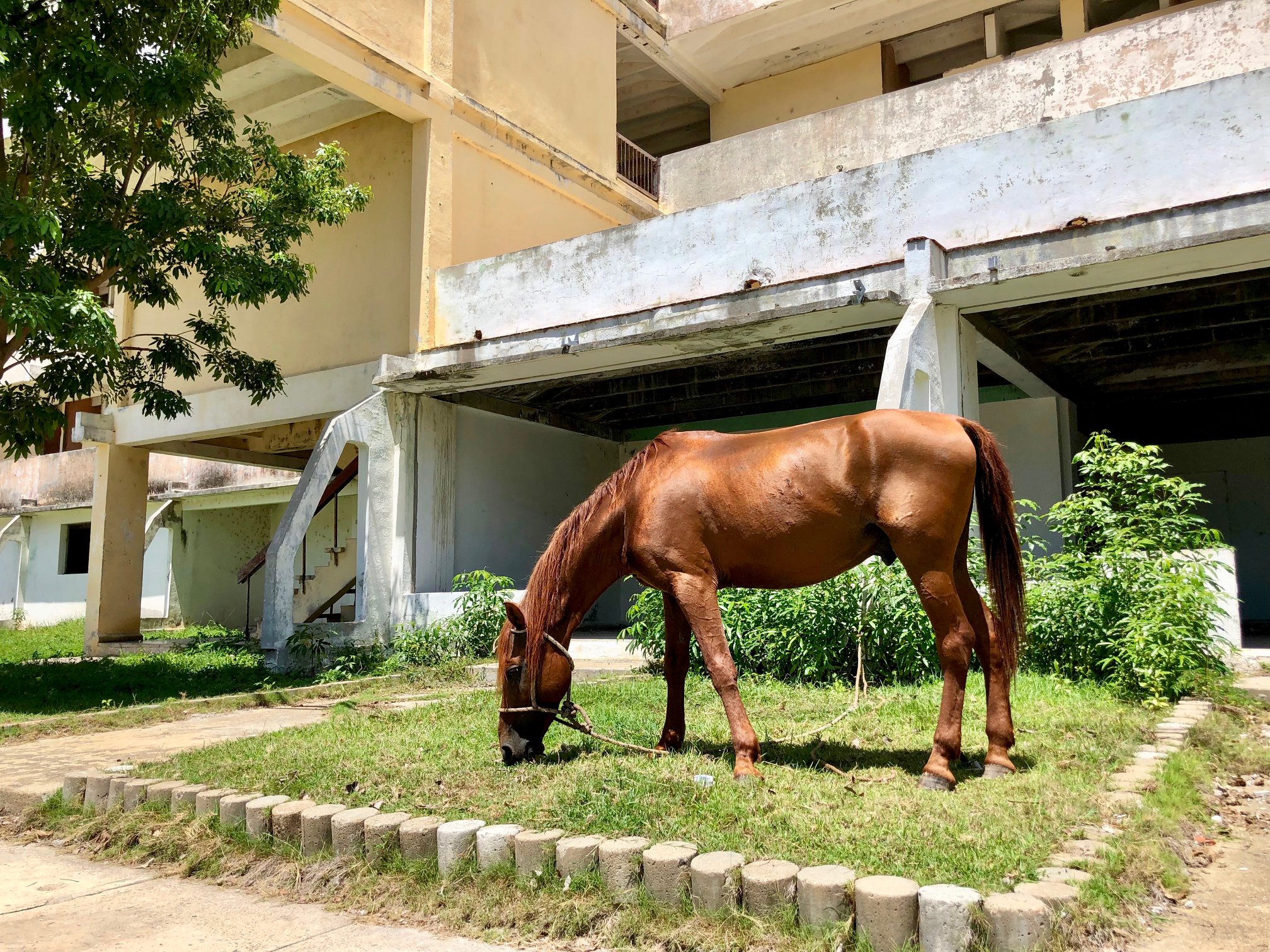
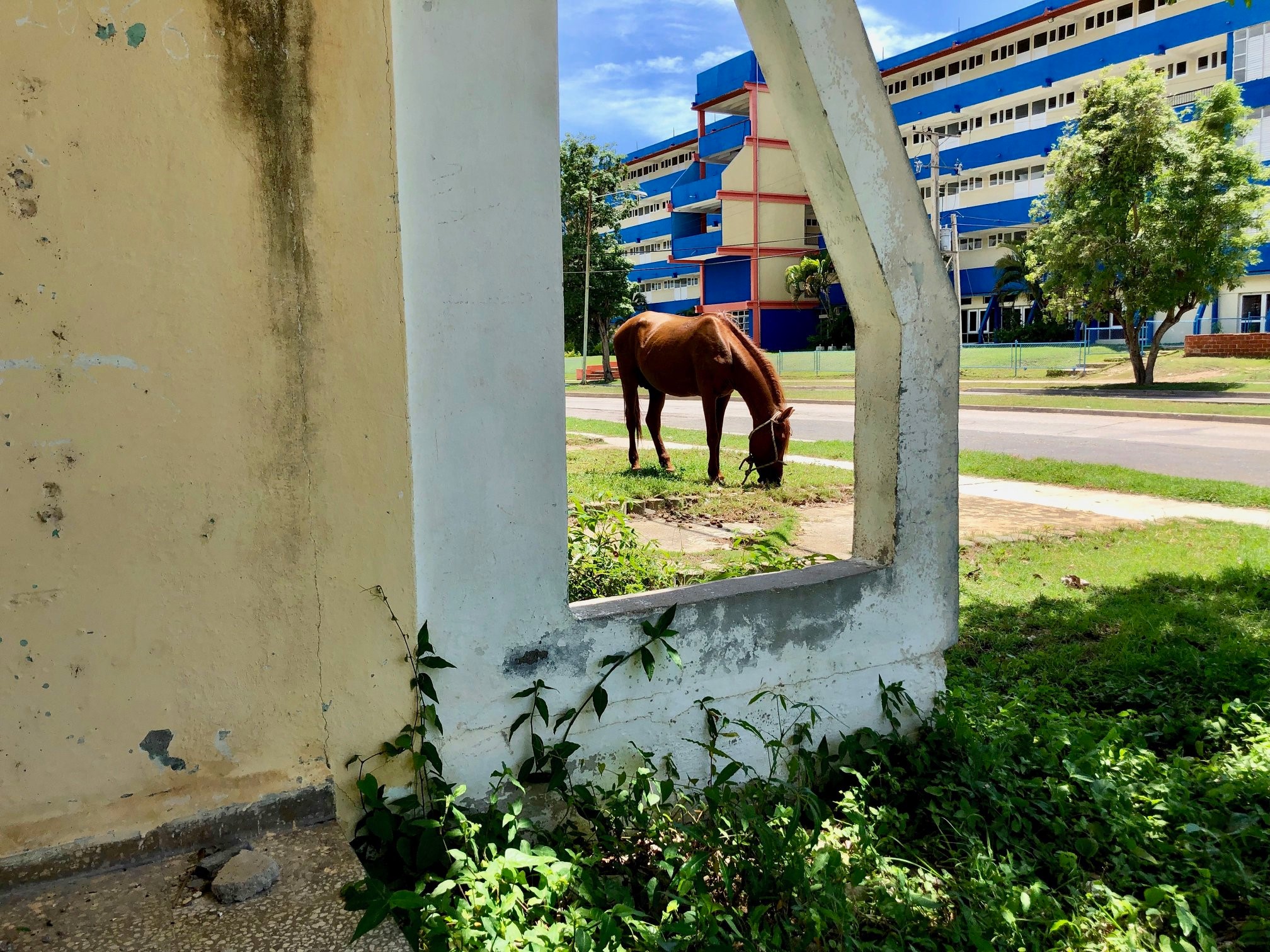
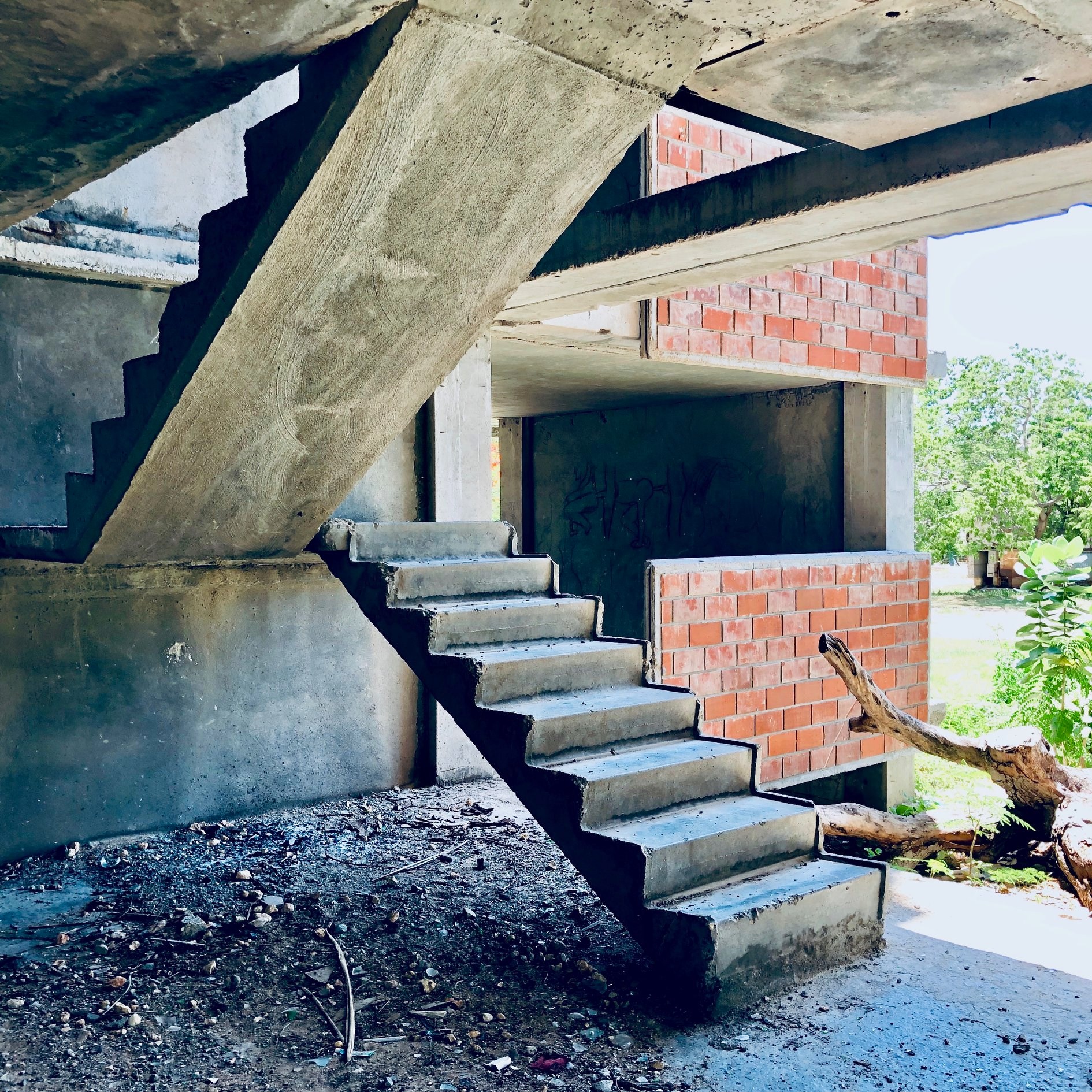
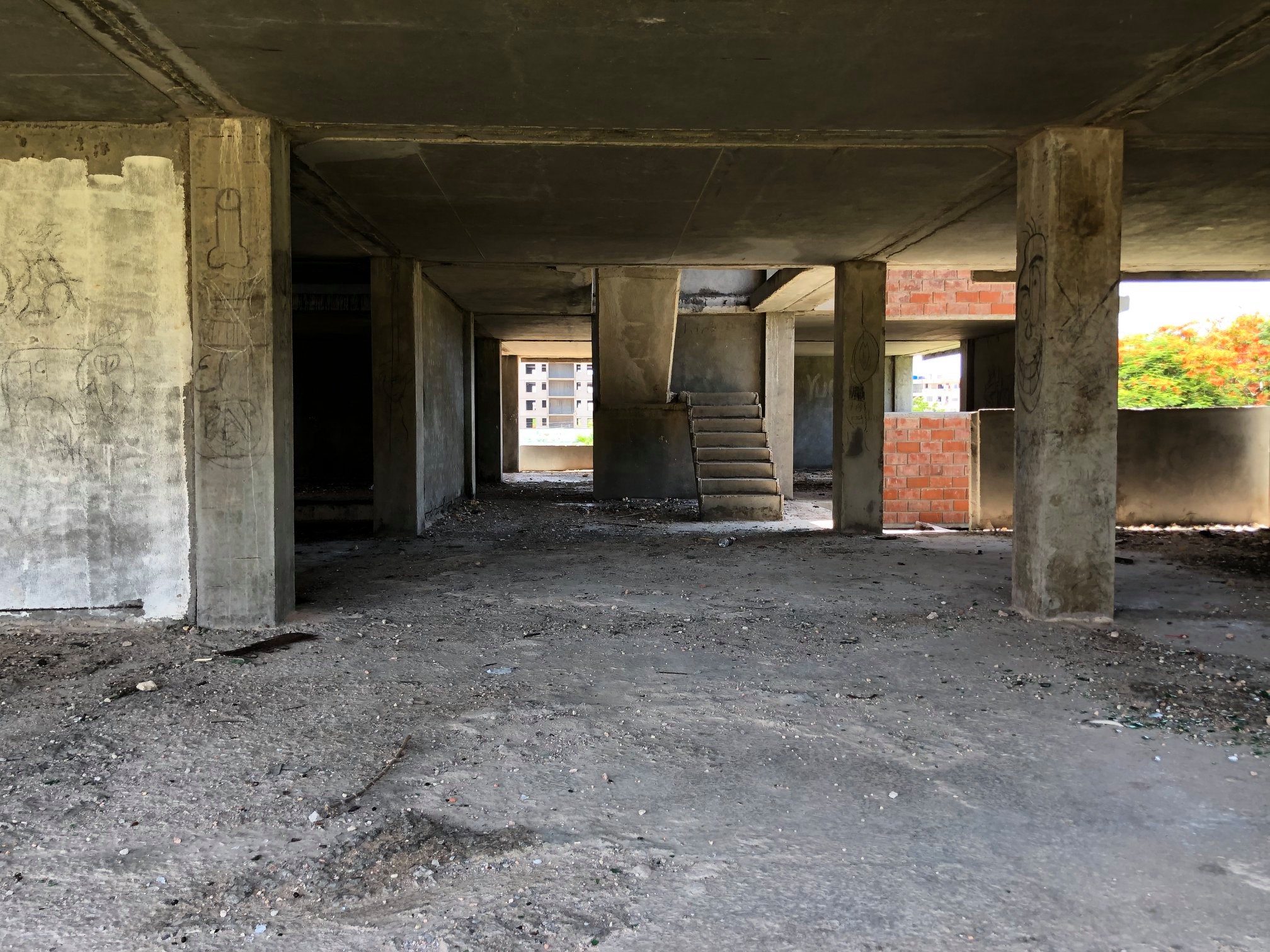
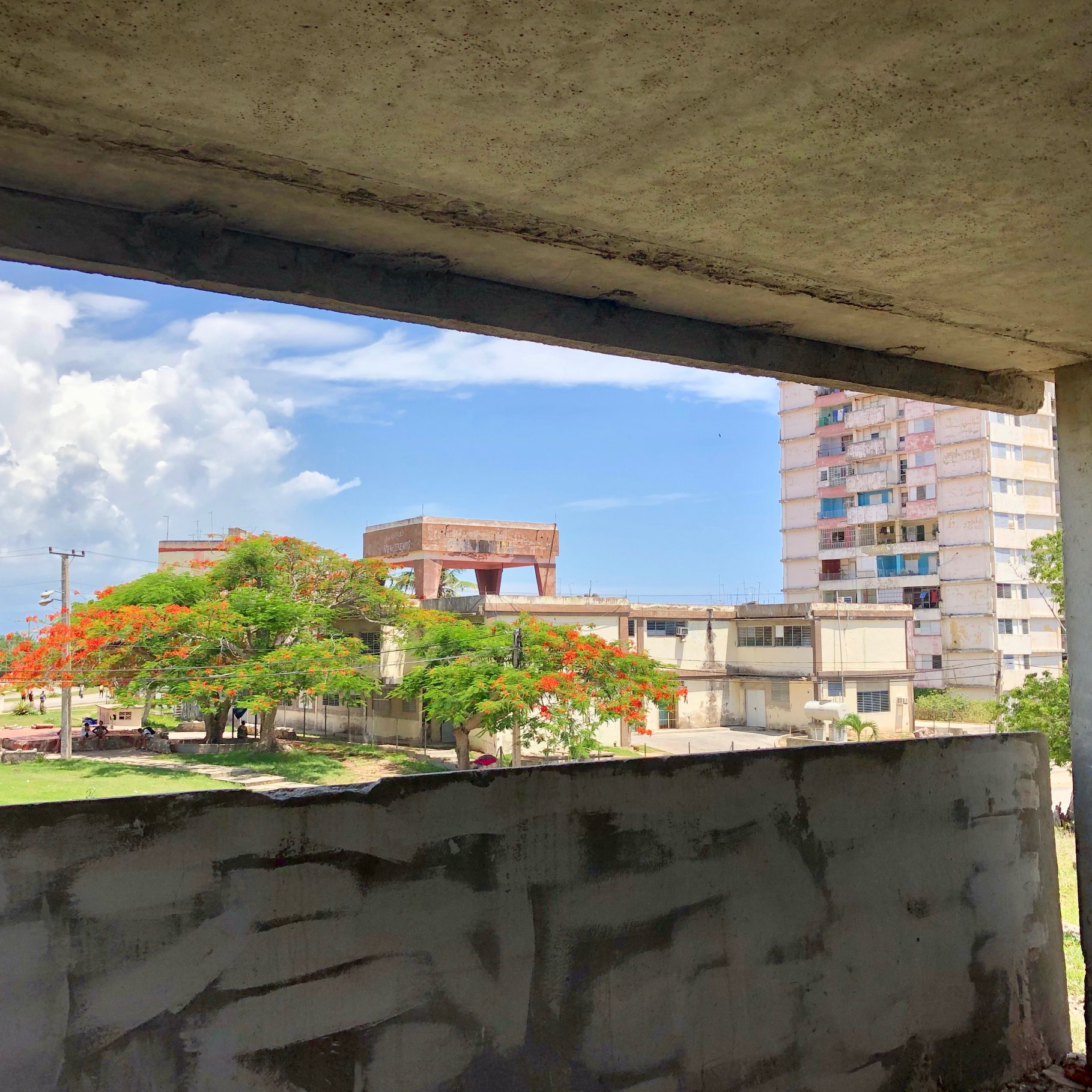
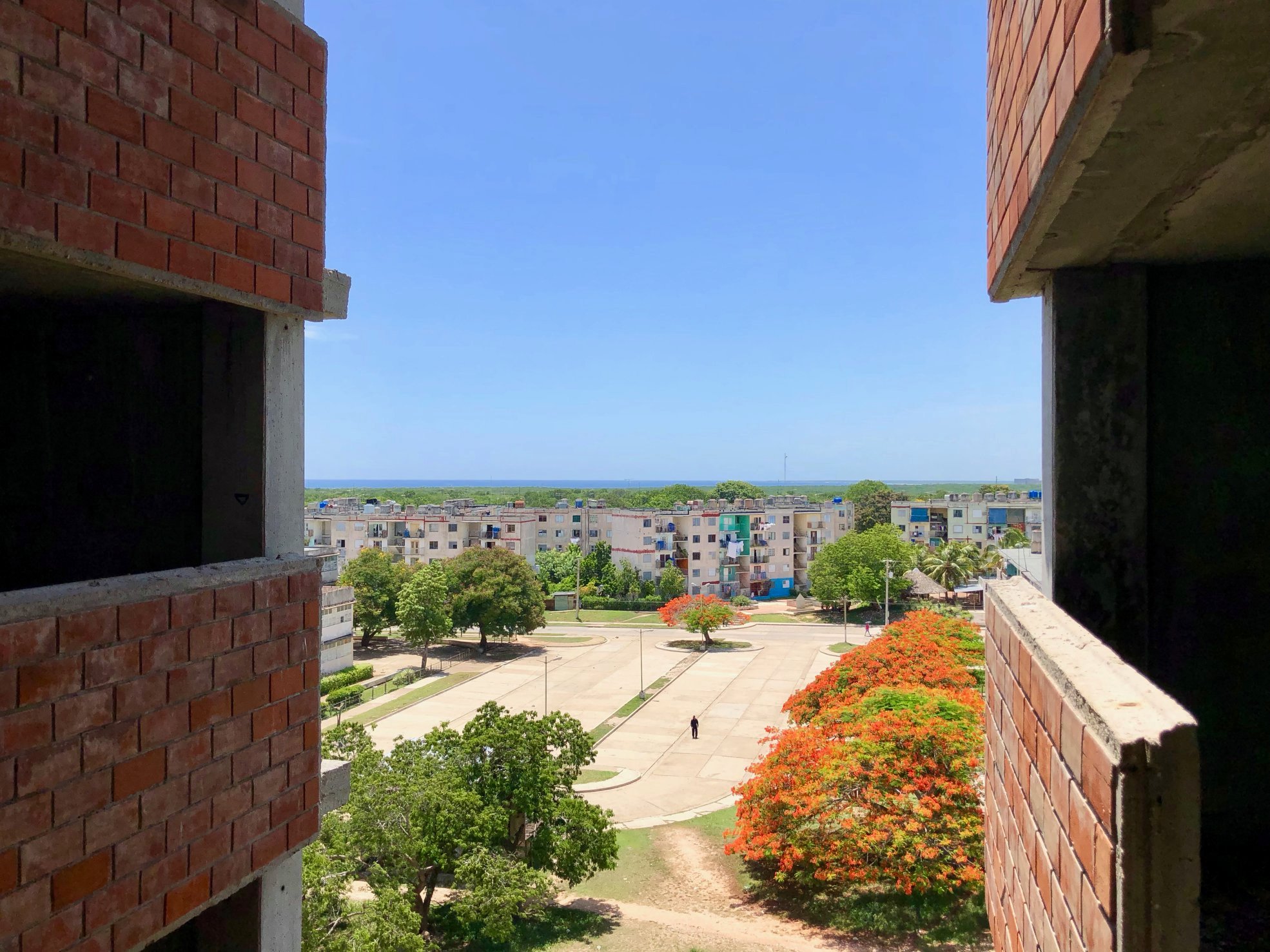
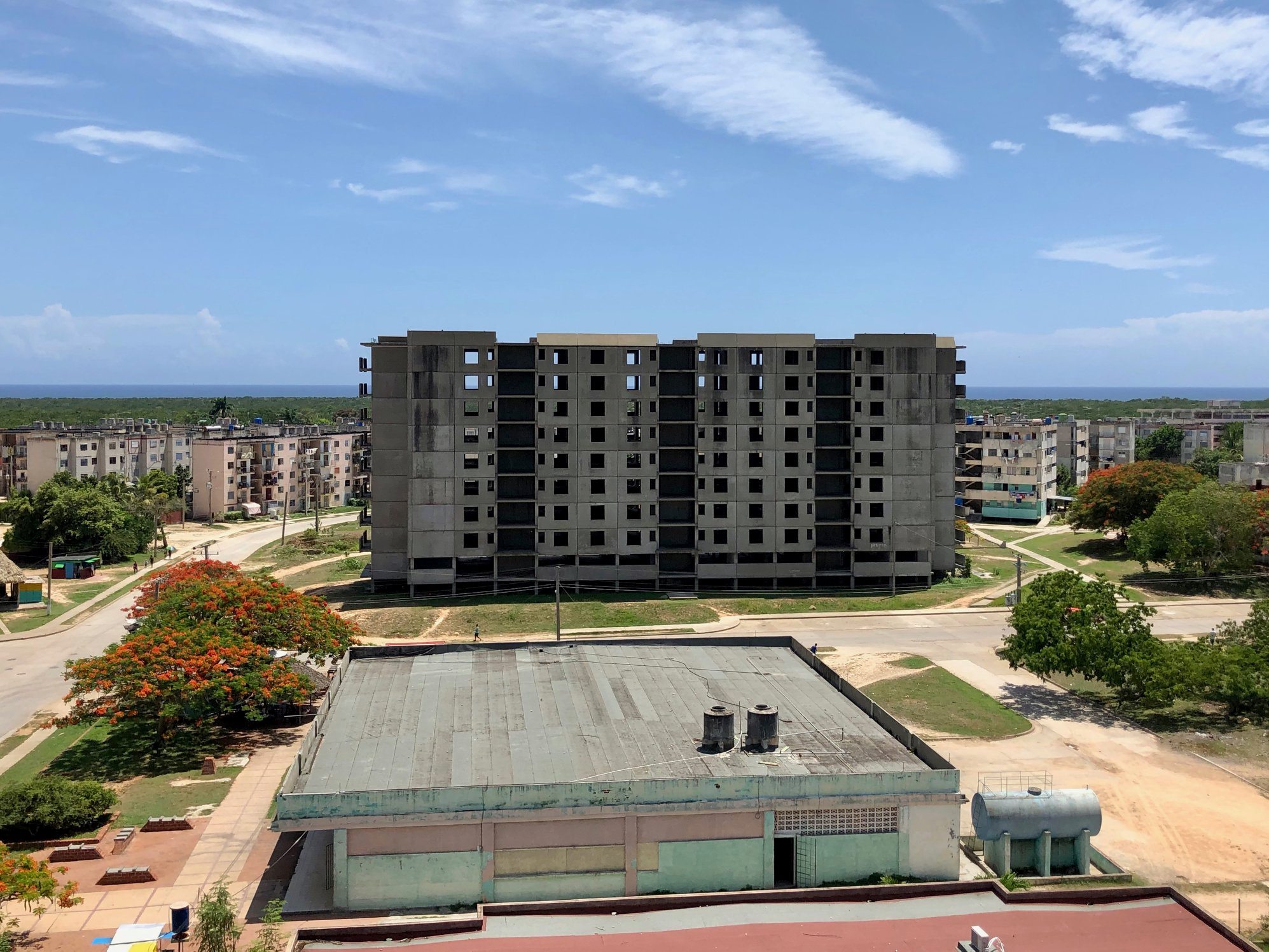
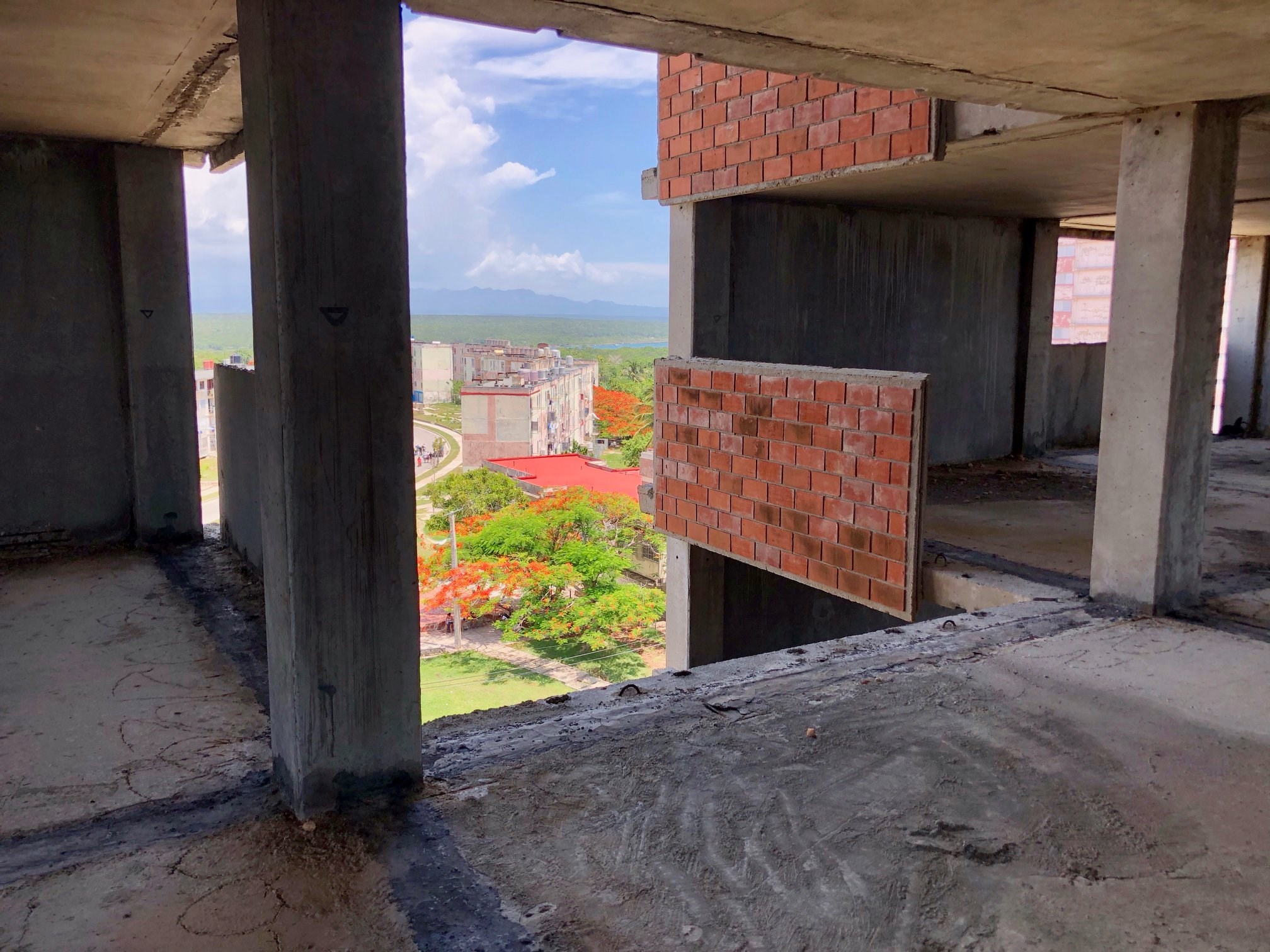
Down the road, another 5.5 km, we found our next destination: Ciudad Nuclear. As with cities like Pripyat and Visaginas, it was to provide the most modern amenities for its residents. Even in this derelict state, its past promise was evident. A grand boulevard lined with rusted-out streetlamps opened itself to the concrete shells of high-rise apartment buildings that sit idle amid the overgrown tropical flora. Inside, graffiti ranged from phalluses to inspirational José Martí quotes. In the distance sat apartment buildings that hundreds of resilient Cubans had reclaimed, as evidenced by the colorful linens strewn from the balconies. In the shadow of a blanched, crumbling five-story structure, a lone chestnut-coated horse grazed on what would have been the building’s front garden.

Curious to see more, we made our way through the deserted corridors of these modernist structures. Exposed beams stabbed through cracked tiles. One hulking twin-tower building stood unfinished. Its upper floors opened to the sky with no windows or balconies, an ambitious construction project halted midstream. At its base, political graffiti including “¡Resistir y vencer!” (“Resist and overcome!”), “Cuba libre” (“Free Cuba”), and “Se Lucha, Patria Libre” (“We fight for a free homeland”) clung to the walls. These promises of ideological endurance stood in the face of this unfulfilled material promise.  

Back at the car, before the nearly three-hour drive back to Havana, Becca and William conversed in broken English and broken Spanish about the prospect of nuclear power in Cuba. “Muy peligroso” was William’s refrain. When we brought up comparisons to Ukraine’s Chernobyl (“es como Ucrania”), William balked, “No es como Ucrania.” He then punctuated the phrase “Nosotros no” with a sound effect and a sweeping gesture that symbolized a detonation. He seemed to imply that while Chernobyl was given the chance to explode catastrophically, Juraguá was not, his relief evident as he pressed a palm to his chest. 

Juraguá remains a prospect on the horizon, symbolic of many possible futures that never came to be: a nation’s once-ambitious quest for energy independence, technological prowess following revolution, and, for some, narrowly averted nuclear disaster. In this way, it is suggestive of how some destinations may be tangible yet at the same time unreachable.

The Stanley R. Mickelsen Safeguard Complex, Nekoma, North Dakota (2017)

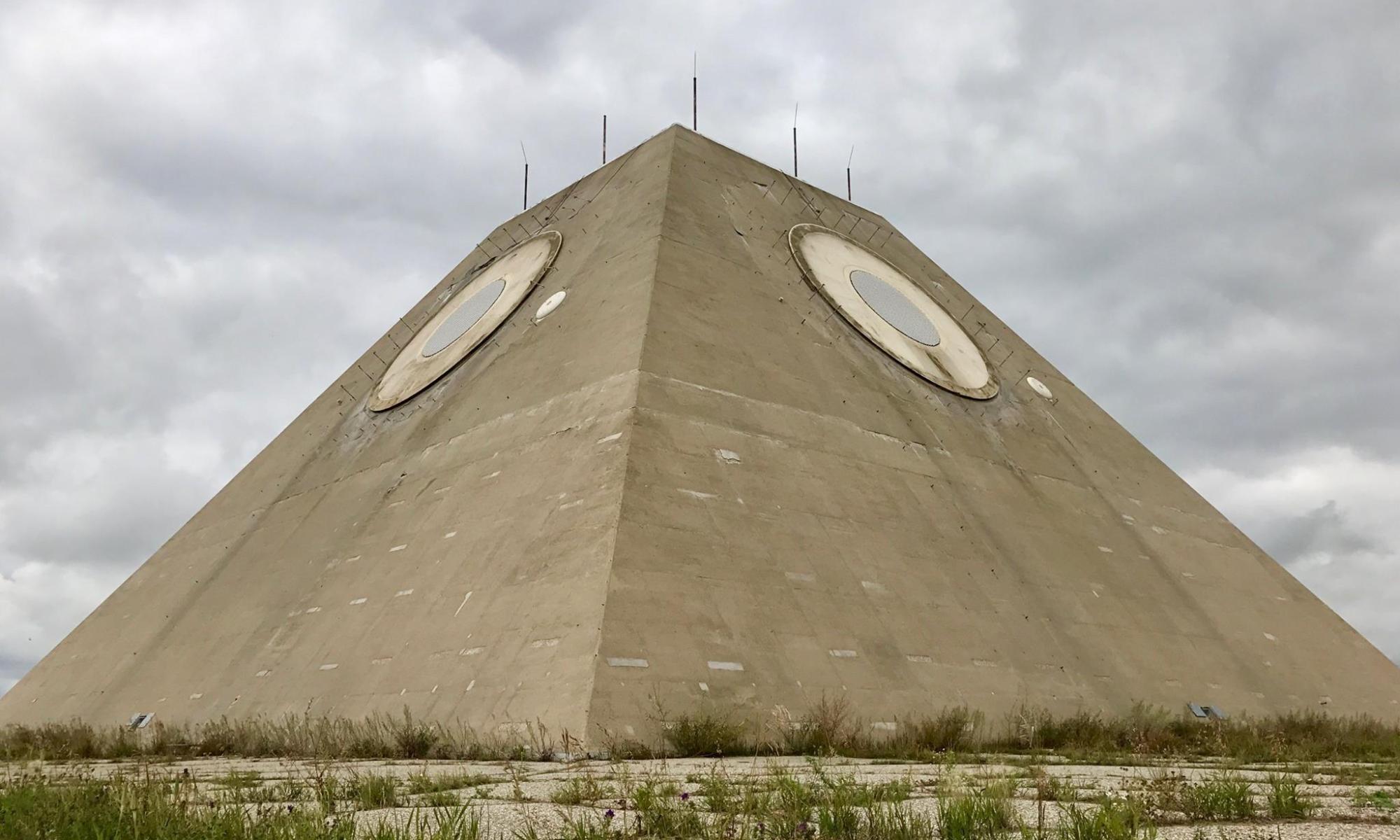
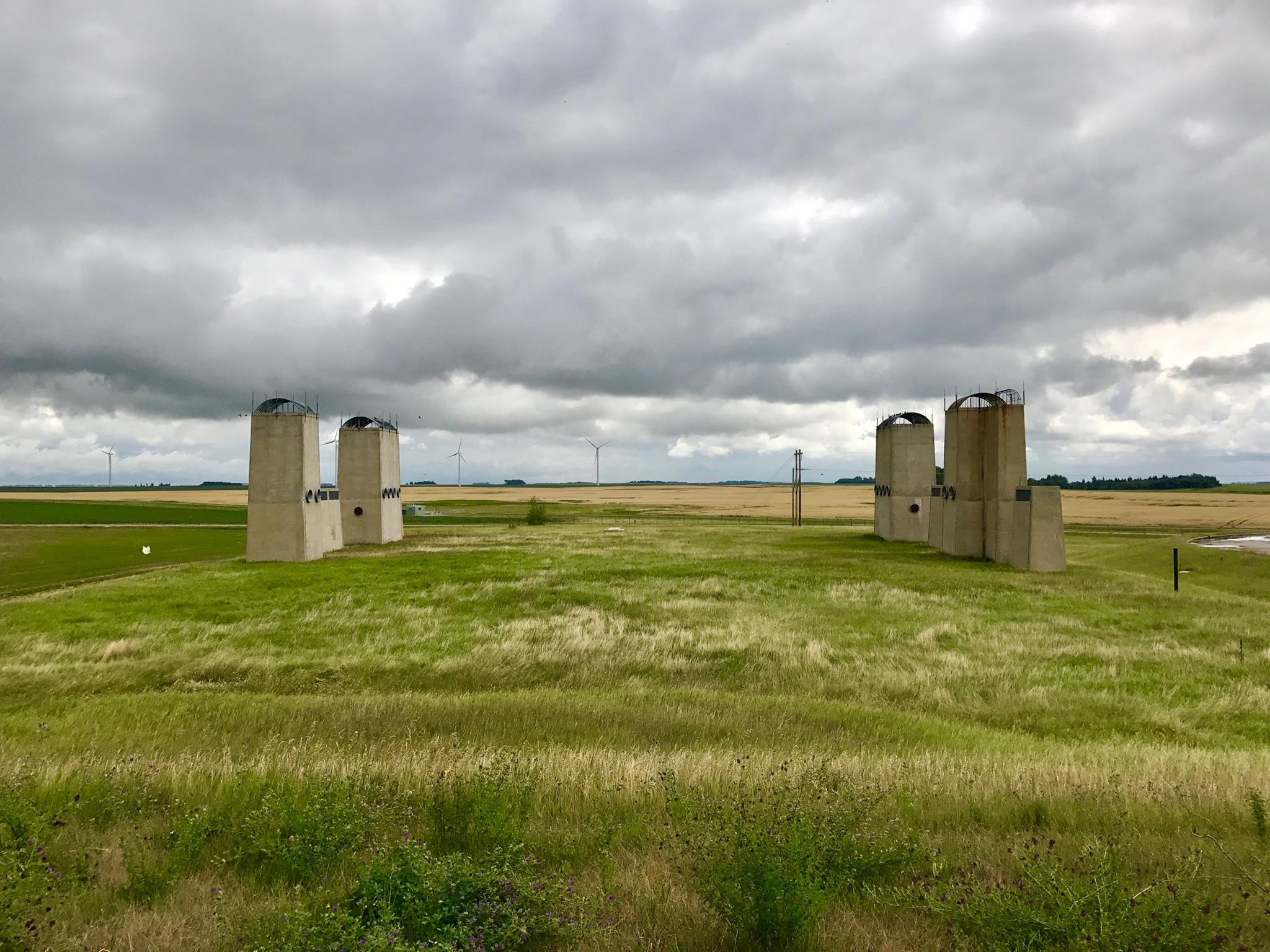
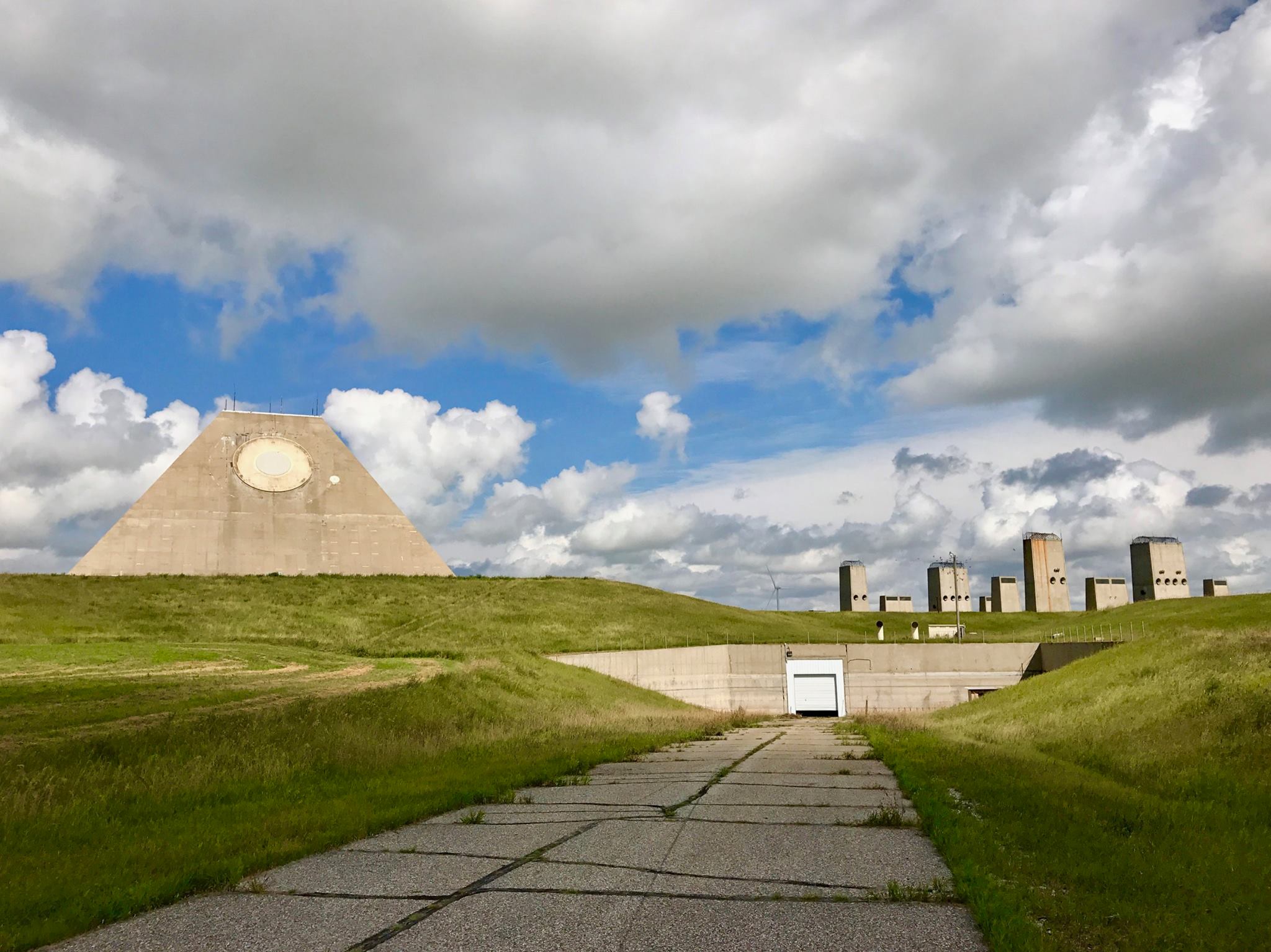
The Stanley R. Mickelsen Safeguard Complex was a 430-acre Cold War-era anti-ballistic missile base located 178 miles northwest of Fargo and 30 miles south of the Canadian border. 

[Essay continues below…]
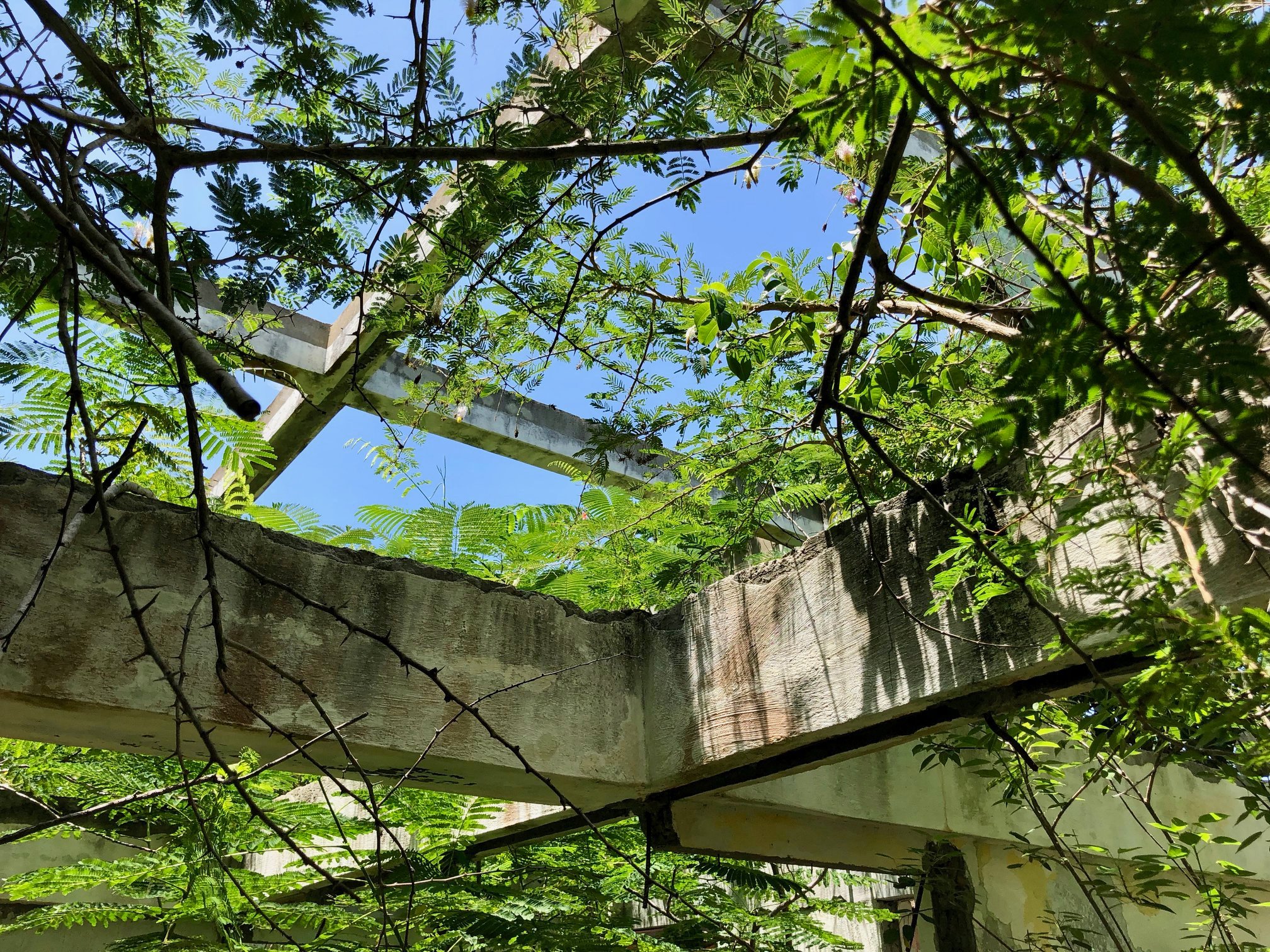
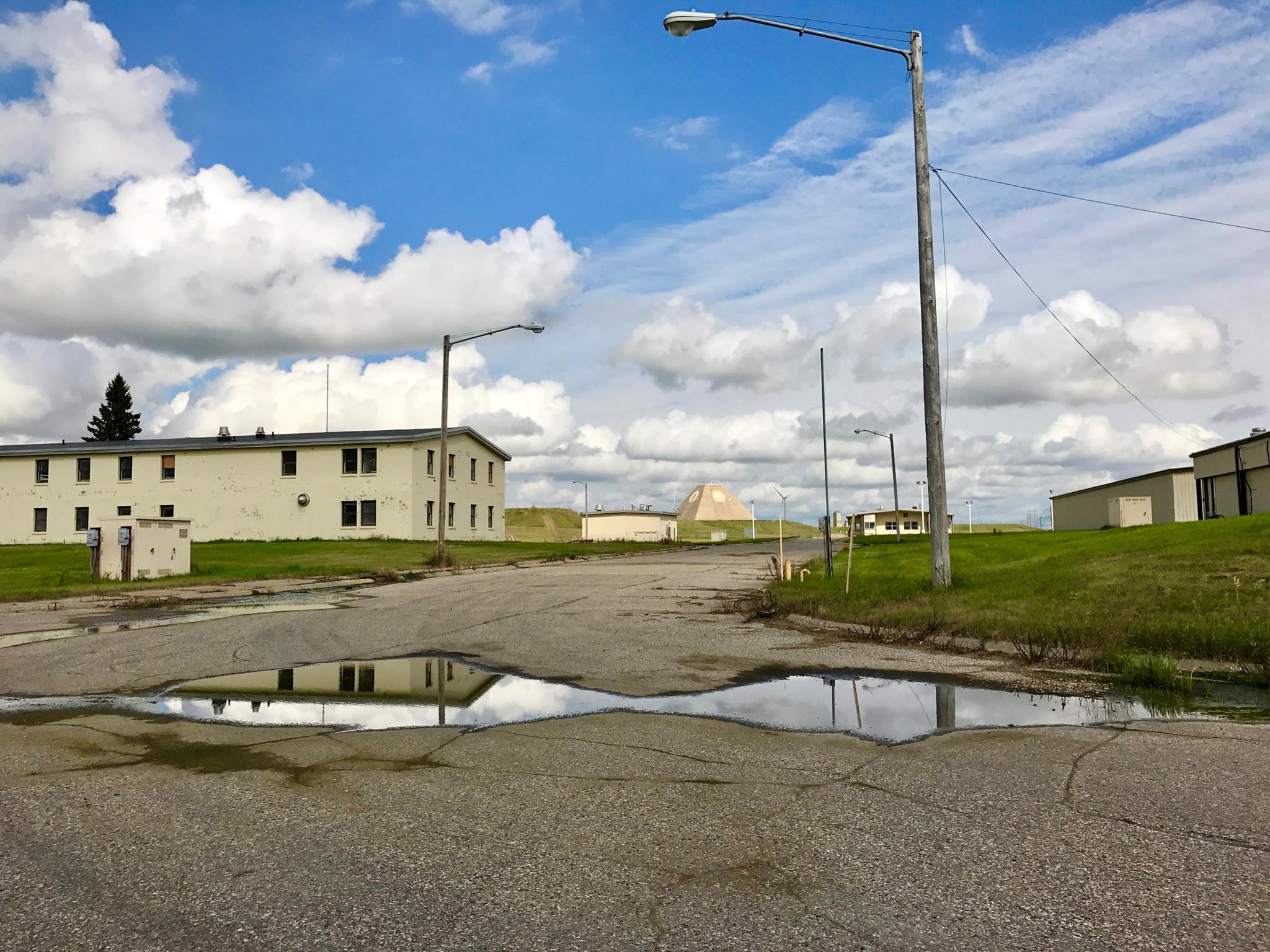
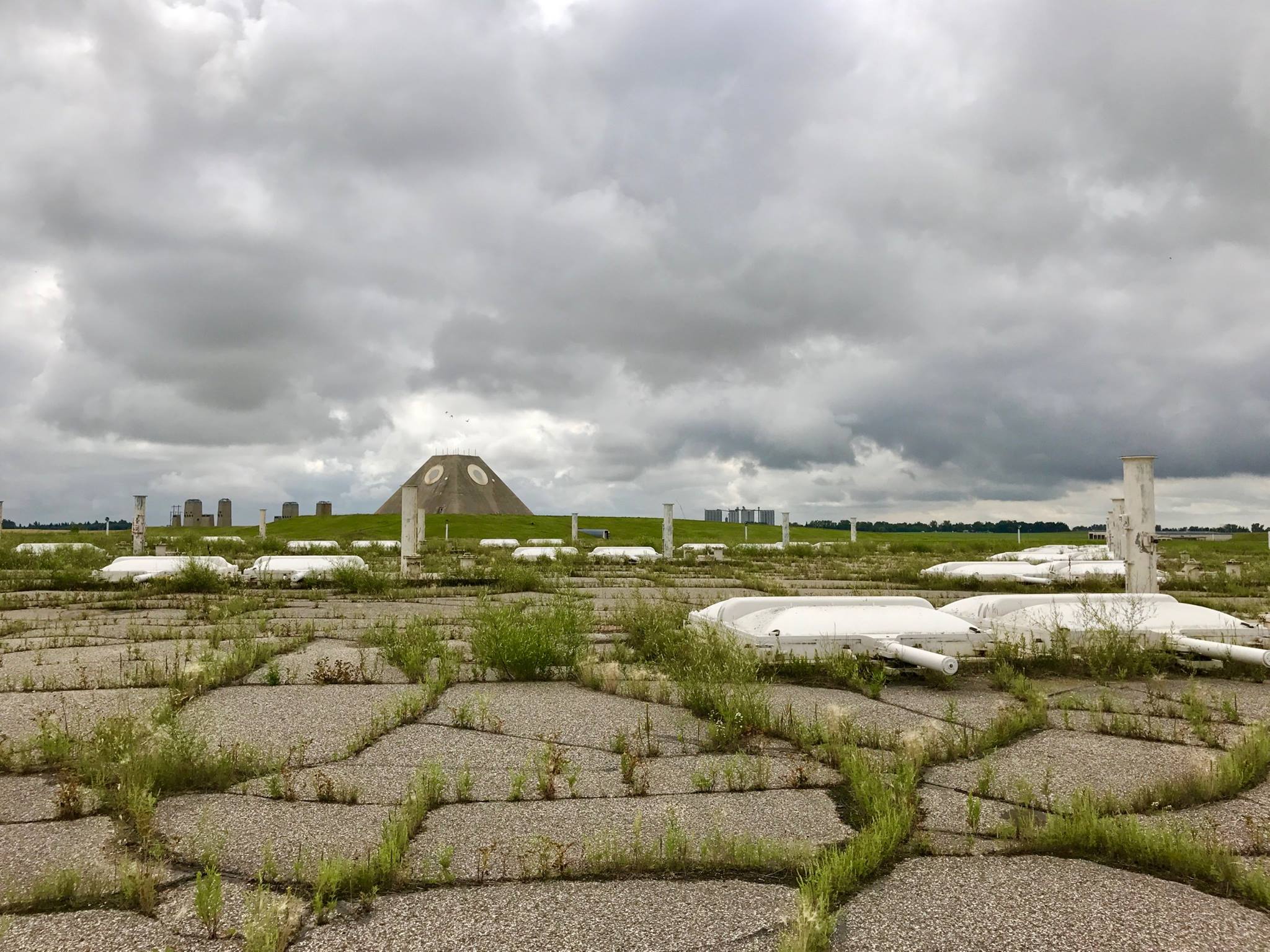
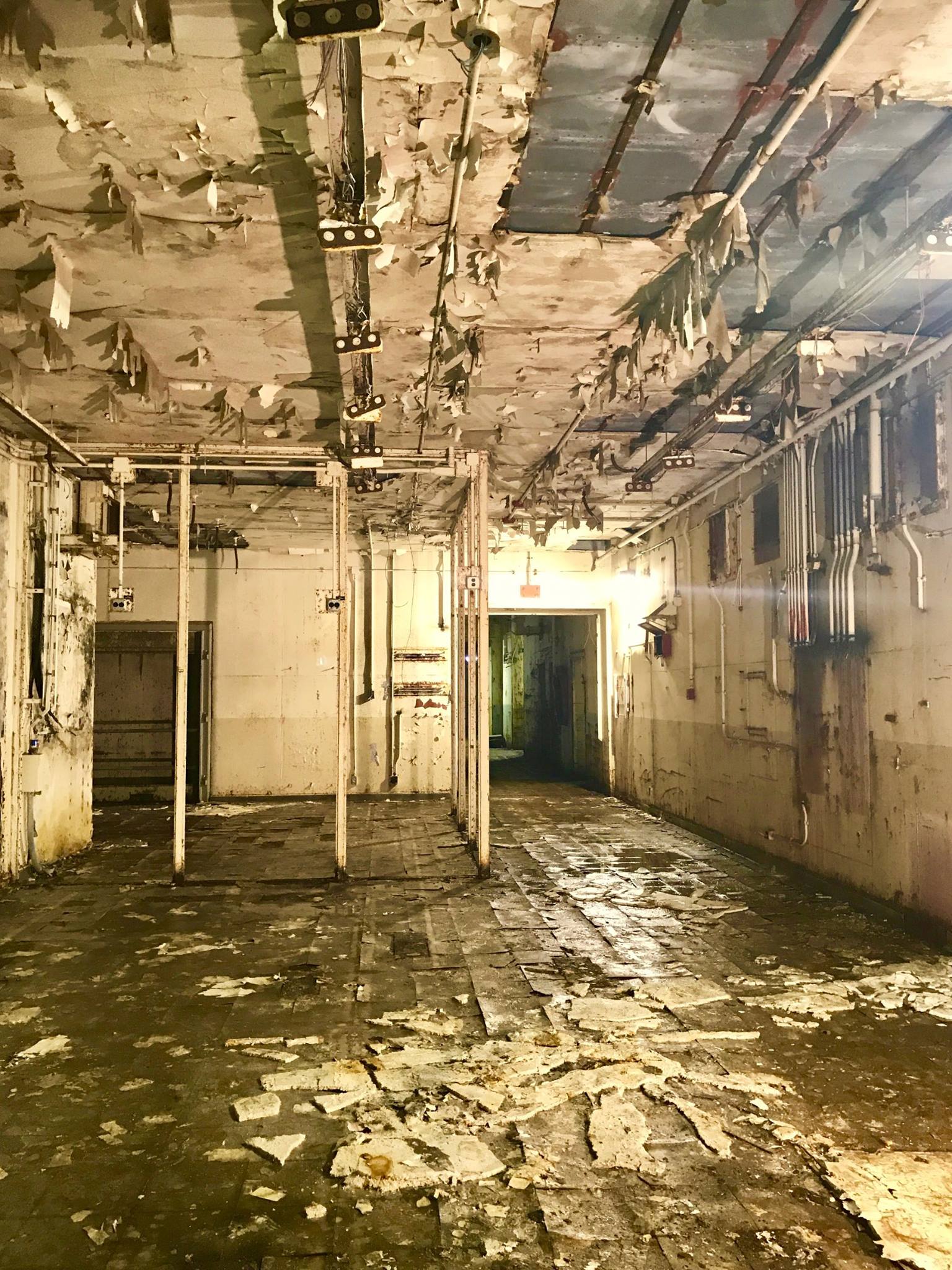
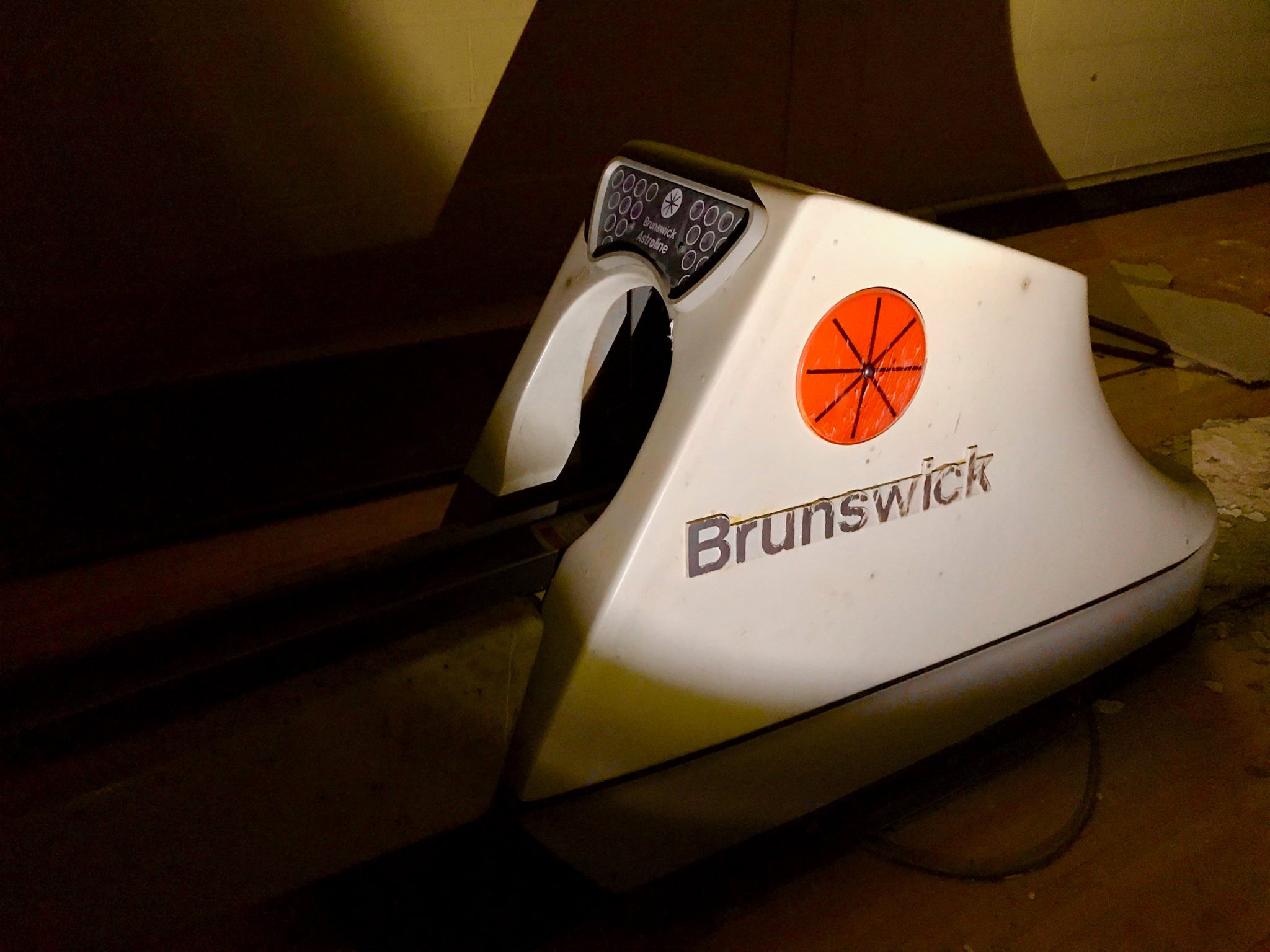
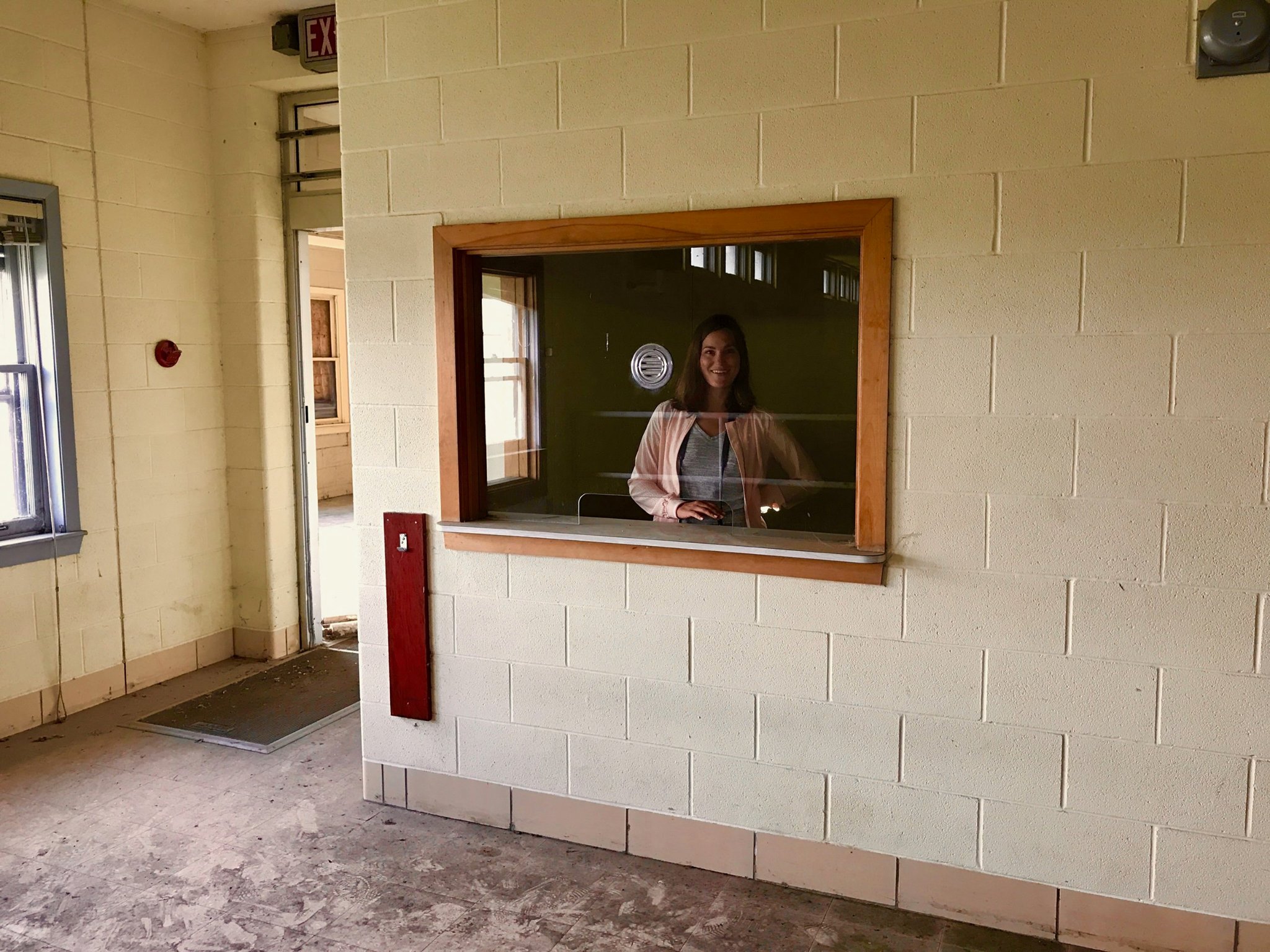
Construction began in 1970 but the site did not reach full operational capacity until October of 1975—the same month that Congress voted to decommission it. Today, the site’s former missile fields and Missile Site Radar pyramid, as well as the gymnasium, church, movie theater, bowling alley, beauty salon, and bank once frequented by the base’s thousands of staffers lay in a state of advanced disrepair.

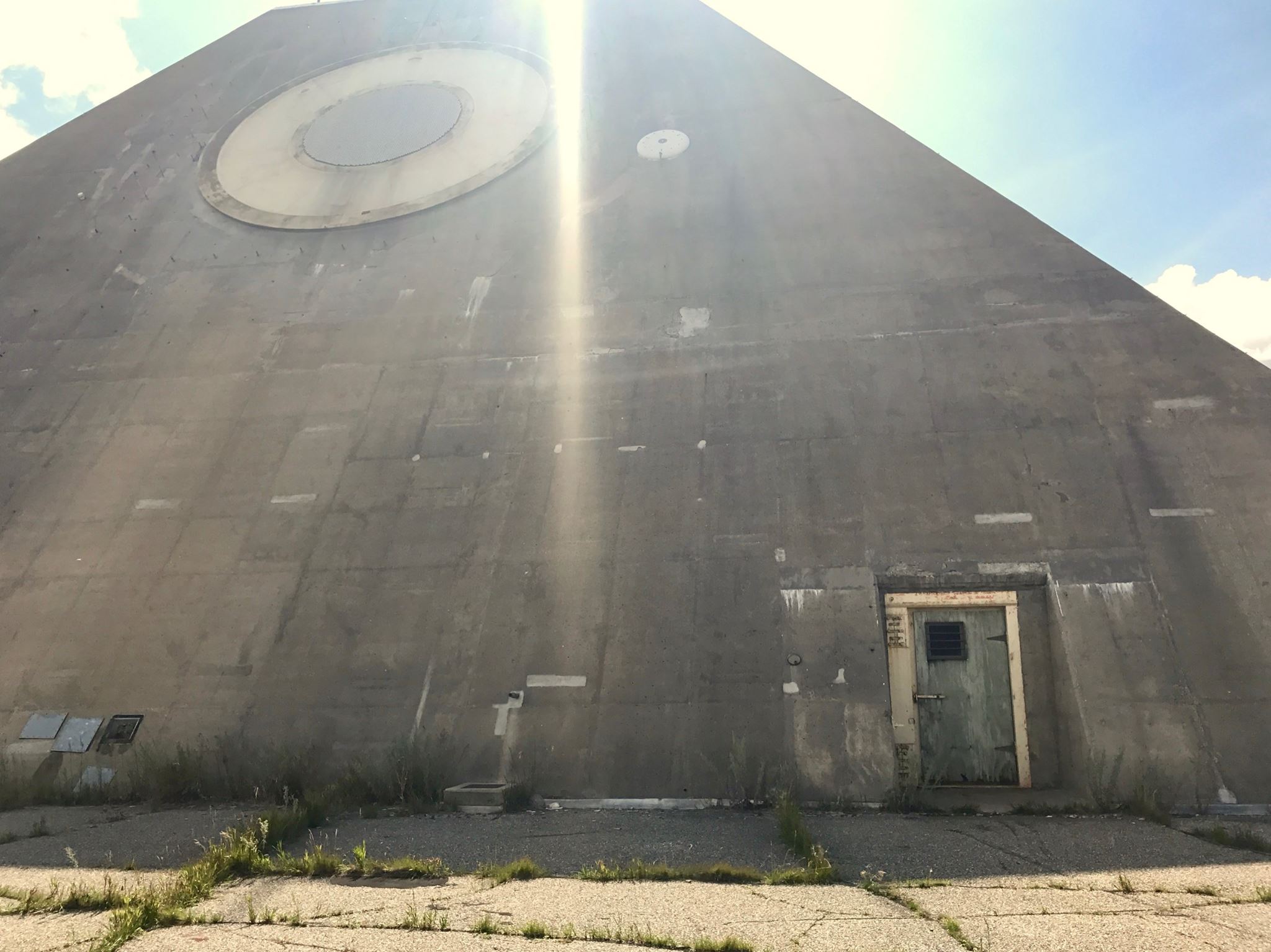
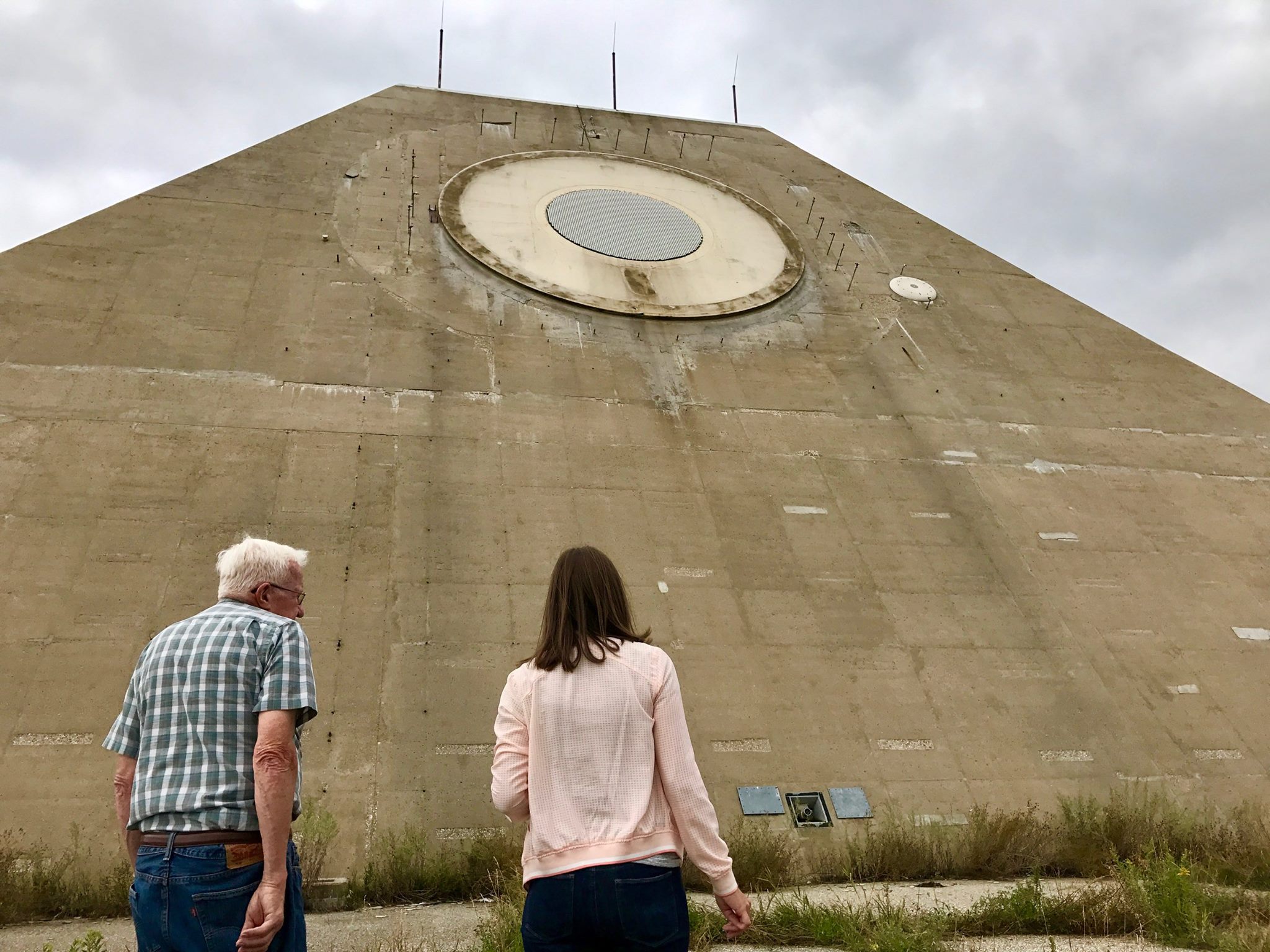
Nekoma, North Dakota (pop. 49) is blanketed by the proverbial American amber waves of grain. Looming over its lush prairies, however, stands a menacing, 90-foot-tall concrete pyramid—an artifact of the boom and bust that this town experienced in the early-1970s when, for a brief moment, it was the nation’s first line of defense against nuclear annihilation.

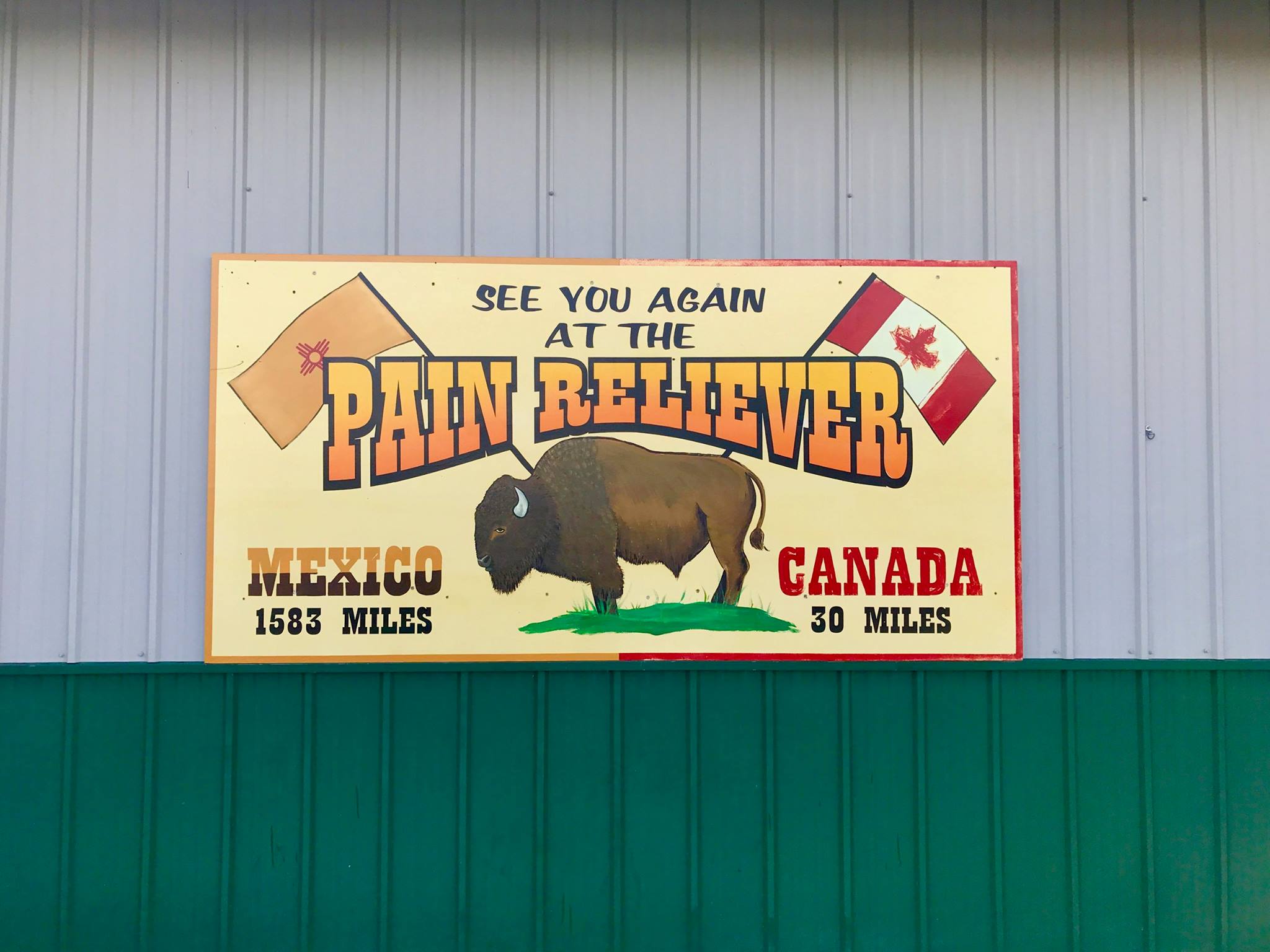
We have traveled far, 1,609 miles to be precise, hoping to learn more about the peculiar history of this place. It’s a brisk Tuesday evening when we arrive at the Pain Reliever, Nekoma’s only bar. Becca and I take seats along the wooden counter and proceed to sip a Bud Light and Coke, respectively. Pepper, who is tending bar, remarks on our disposition, “You two are just full of sunshine, aren’t you?” We are. The next morning we have plans to meet Duane, the informal caretaker of the Mickelsen Complex, for a private tour, and I suppose our giddiness is apparent.

The Pain Reliever, itself, is a source of fascination for us—it was constructed from the Mickelsen Complex’s former Corps building and its walls display many relics from the base, including a sign reading MSR COMPLEX U.S. ARMY SPACE AND MISSILE DEFENSE COMMAND, perhaps the same one that was once affixed to the rusted posts that remain at the intersection of Highway One and Nekoma Road North. We also hope that the bar’s patrons and proprietors will share their stories about Nekoma, before, during, and after the arrival of the “Pyramid on the Prairie.”

Our wish is soon granted. A group of senior citizens huddles together at the opposite end of the bar. They shoot inquisitive glances our way amid whispers and hushed tones. Margie, a petite woman in her seventies, approaches, shakes my hand, and firmly plants herself in the barstool next to me. “I saw the car with New Jersey plates and I decided I just had to come over and say hello,” she says, sheepishly. She asks what brings us to Nekoma. It seems that visitors to this part of the world are somewhat rare; in fact, Margie tells us that had she known we were coming, she would have tipped off the local news. When we explain the purpose of our visit, she echoes a refrain that we hear from almost everyone we speak with that night, “You drove all the way here for that!?!”

Margie, like everyone else at the Pain Reliever, seems unfazed by the odd structure that dominates the town’s backdrop. We learn that Margie is the daughter of local wheat farmers. After her high school commencement, which consisted of eight graduates, she attended the University of North Dakota. From there, it was onto Washington, D.C. where she served as a secretary with the Central Intelligence Agency. Although she was all the way across the country, Margie’s friends and family kept her apprised of the momentous changes taking place in Nekoma.

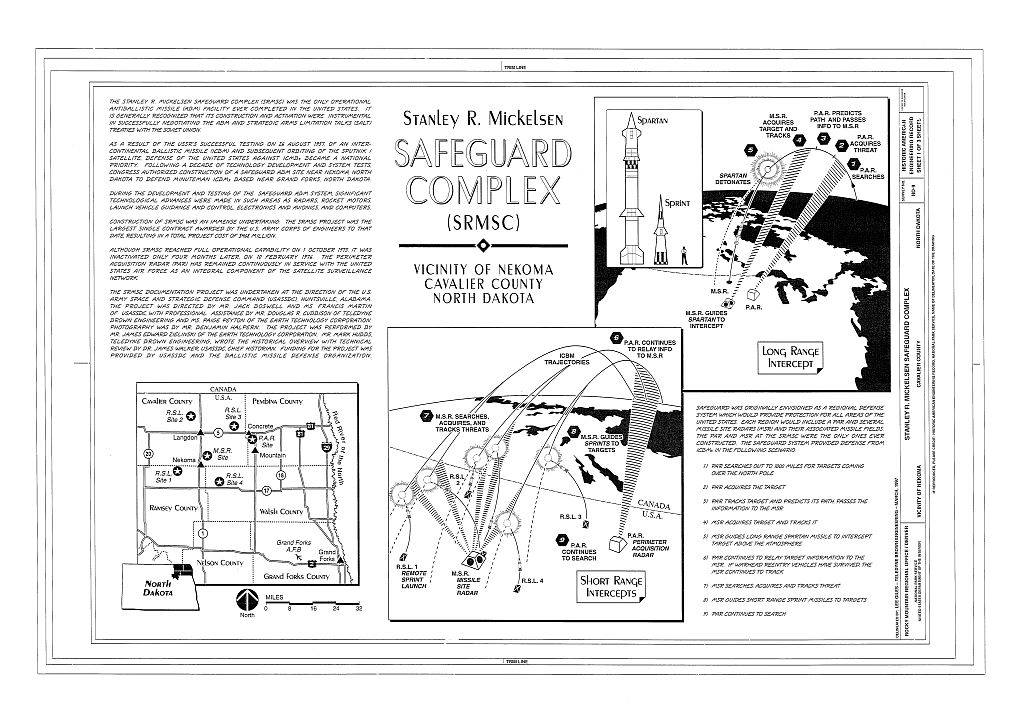
In 1969, Congress authorized the Mickelsen Complex, named after former commanding general of the Army Air Defense Stanley Raymond Mickelsen, with Nekoma as its chosen location. Construction began the following year at a cost of $500-million USD (2.2 billion adjusted for inflation). It was to be one of three planned Safeguard facilities devised by the U.S. Army in partnership with Bell Labs to deter nuclear attacks. But in May of 1972, following the Strategic Arms Limitation Talks (SALT), the U.S. and former Soviet Union signed the Anti-Ballistic Missile (ABM) Treaty. The treaty limited each nation to only two defensive facilities. A protocol signed two years later reduced that number to only one per nation. Thus Mickelsen became America’s only Safeguard Complex and assumed the unfathomable duty of saving the nation from mutually assured destruction. With this responsibility came a sense of pride for Nekoma’s residents, but the tradeoff was that their town became a valuable target for a Soviet attack—a fact that did not go unnoticed. As Ella, a sprightly octogenarian who is now occupying Margie’s seat confesses, “At first we were excited that it was coming to our town. But then we realized that if all hell broke loose, we’d be the first to go.”

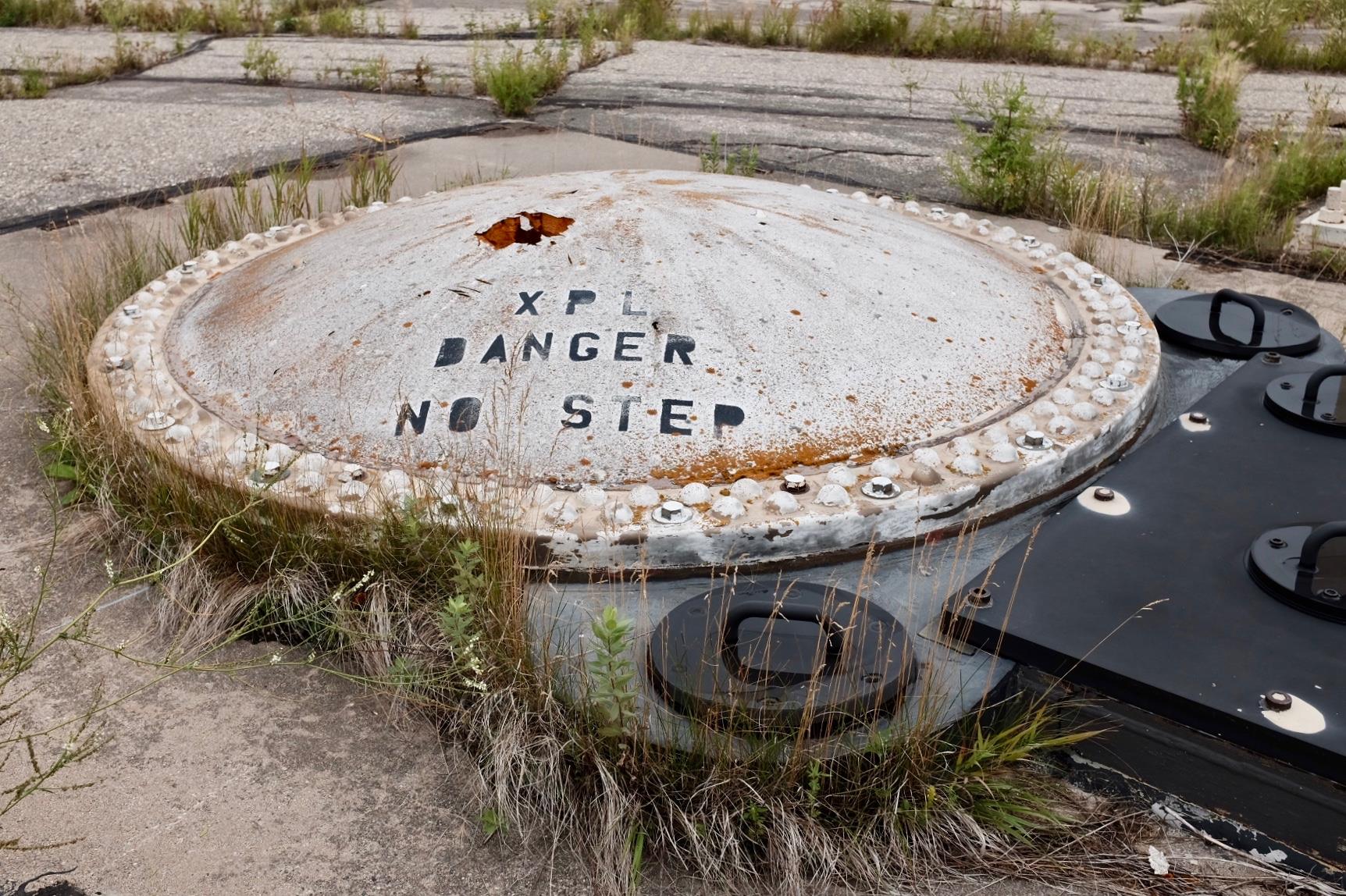
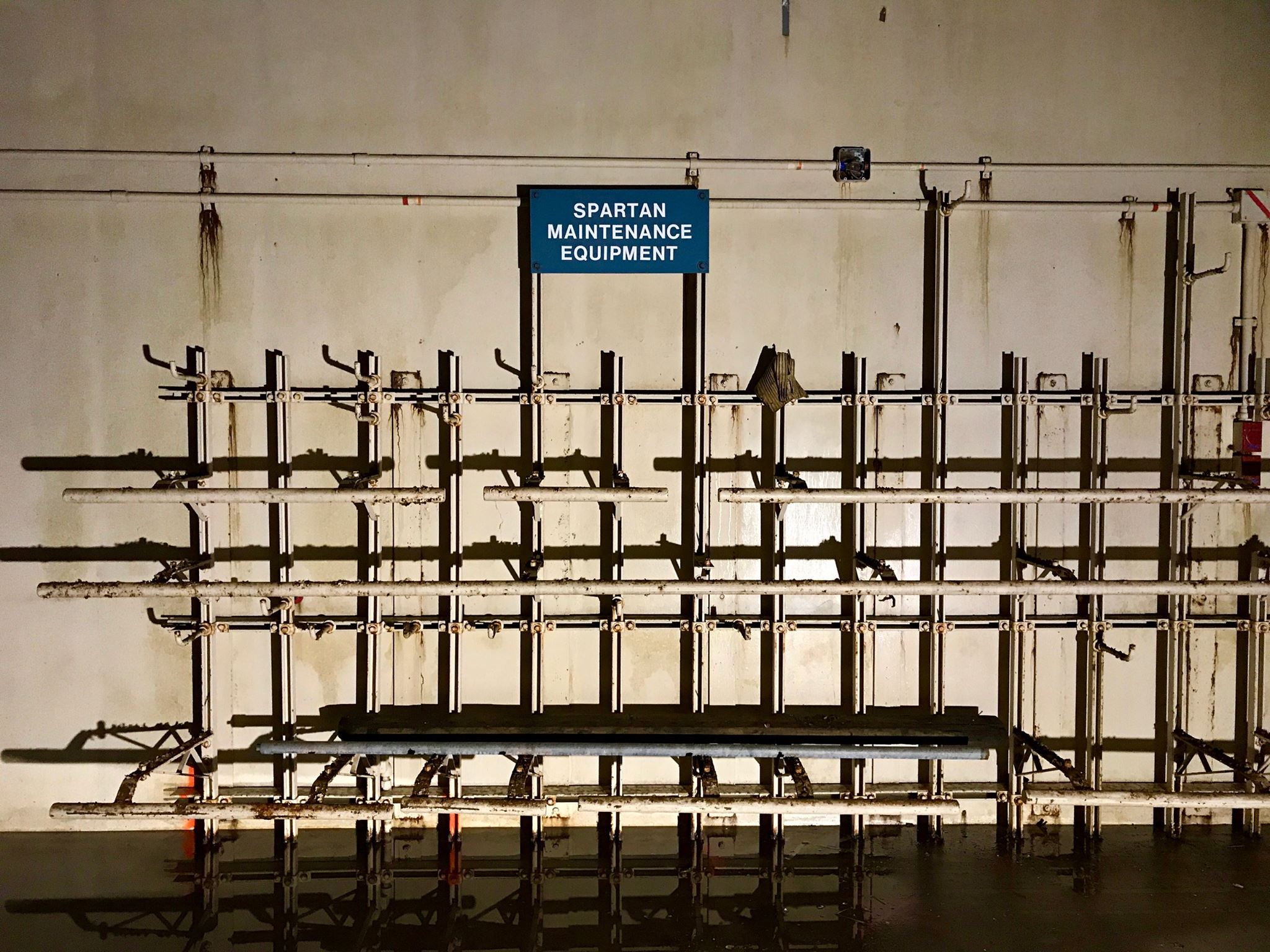
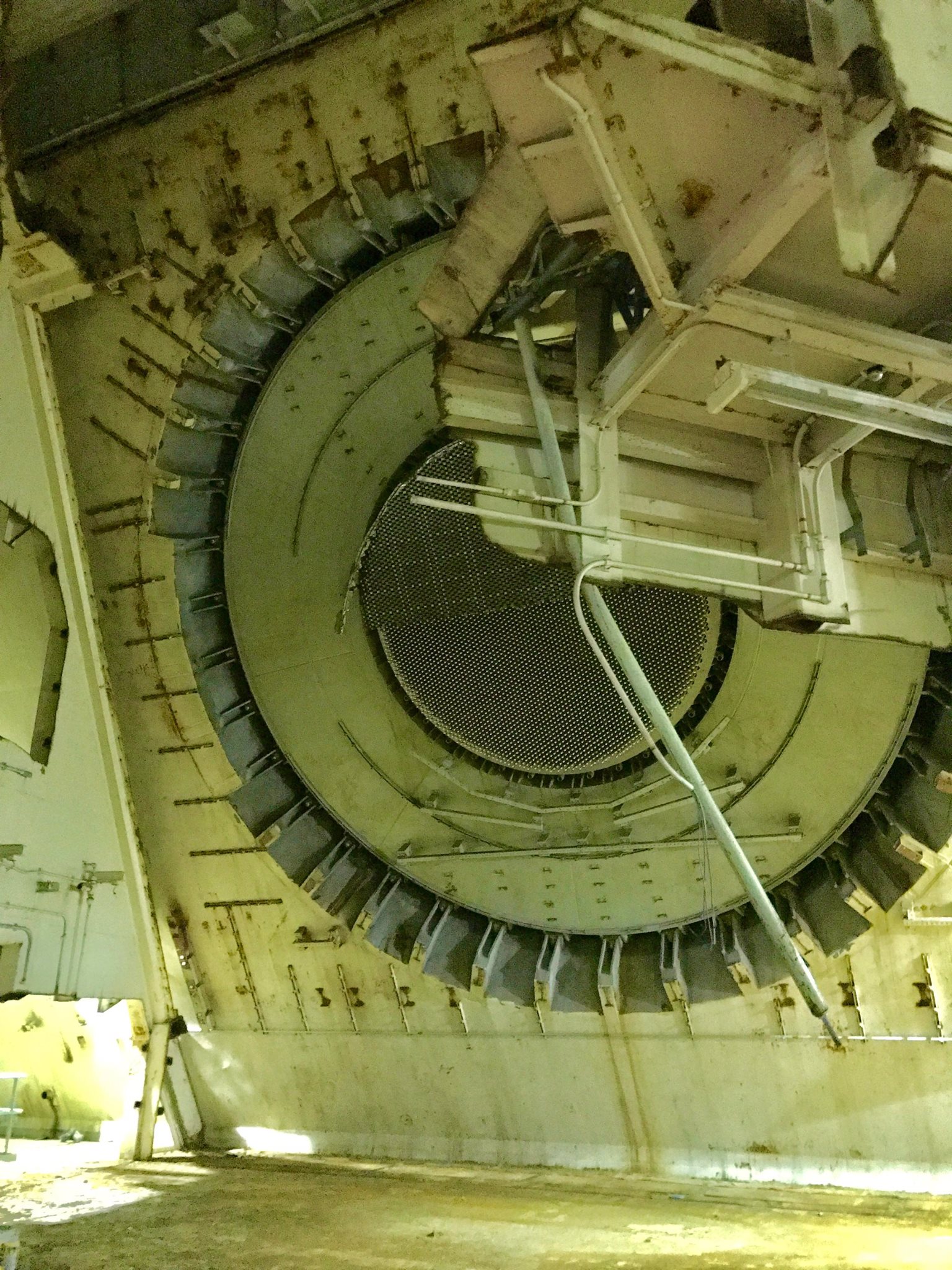
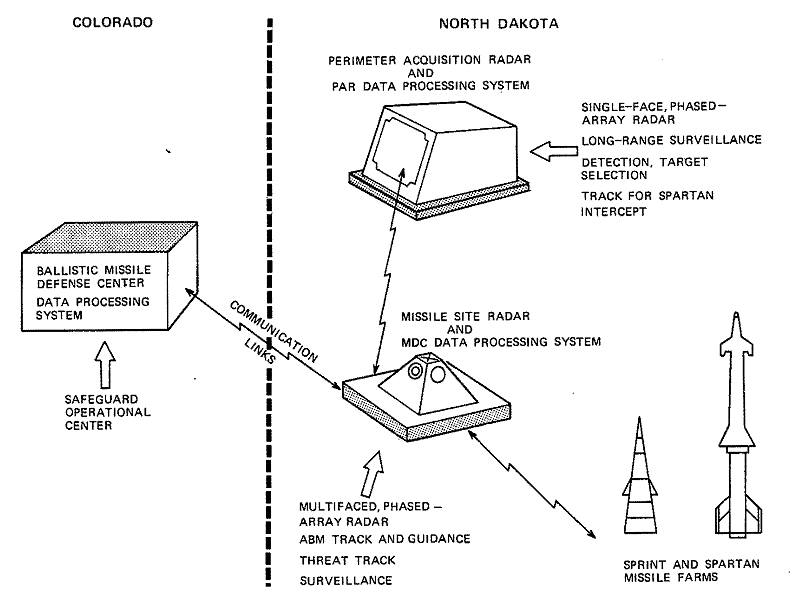
Mickelsen’s state of the art Missle Site Radar (MSR), featured four mechanical all-seeing eyes perched atop a pyramid structure. The MSR, in conjunction with data apprehended by the Perimeter Acquisition Radar (PAR) located 36 miles away at Cavalier Air Force Station, could detect Soviet nuclear missiles launched over the North Pole. In the event of a strike, Mickelsen’s 30 long-range nuclear warhead Spartan missiles housed in underground silos would attempt interception above the earth’s atmosphere. If they failed, the base’s 70 short-range, high-powered Sprint missiles would attempt interception from within. The pyramid was also fortified and, with its own dedicated diesel power plant, geothermal heating and cooling, and bunkers spanning five subterranean stories, could purportedly remain fully operational in the event of nuclear devastation. Regardless of Safeguard’s actual capabilities regulars at the Pain Reliever remain mystified by its powers. As one man exclaims, “That thing could have detected a baseball flying through the air all the way over in Russia!”
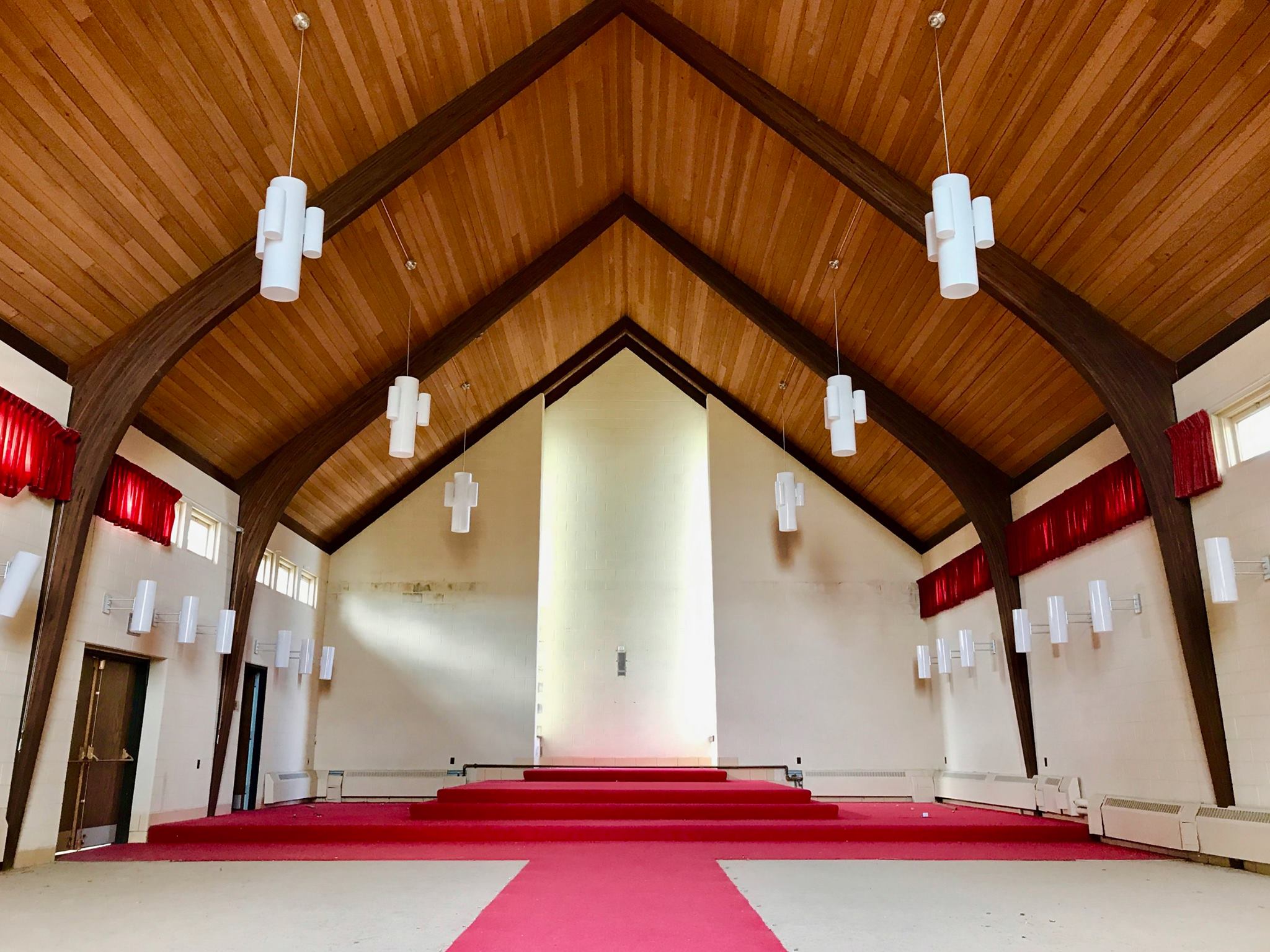
Later into our evening at the Pain Reliever, we learn that Ella attended the same high school as Margie, only a decade earlier. But her graduating class was larger than Margie’s—it consisted of nine students. Ella, who has lived her entire life in Nekoma, remembers when scores of people arrived seemingly overnight to staff the base. She says the townspeople, including her parents, regularly invited these personnel for dinner and the two populations were quickly integrated with one another. Main Street began teeming with activity. But these newcomers disappeared almost as quickly as they had arrived. On October 2nd, 1975, only days after reaching full operational capacity, Congress voted to decommission Mickelsen. Tactical operation ceased the following month, and formal decommissioning began the following February. The final issue of the base’s monthly newspaper, The Guardian, circulated on May 20th, 1976. Its cover depicted a cowboy atop a horse heading into a vast expanse with a caption that read “So Long, Pardner.”

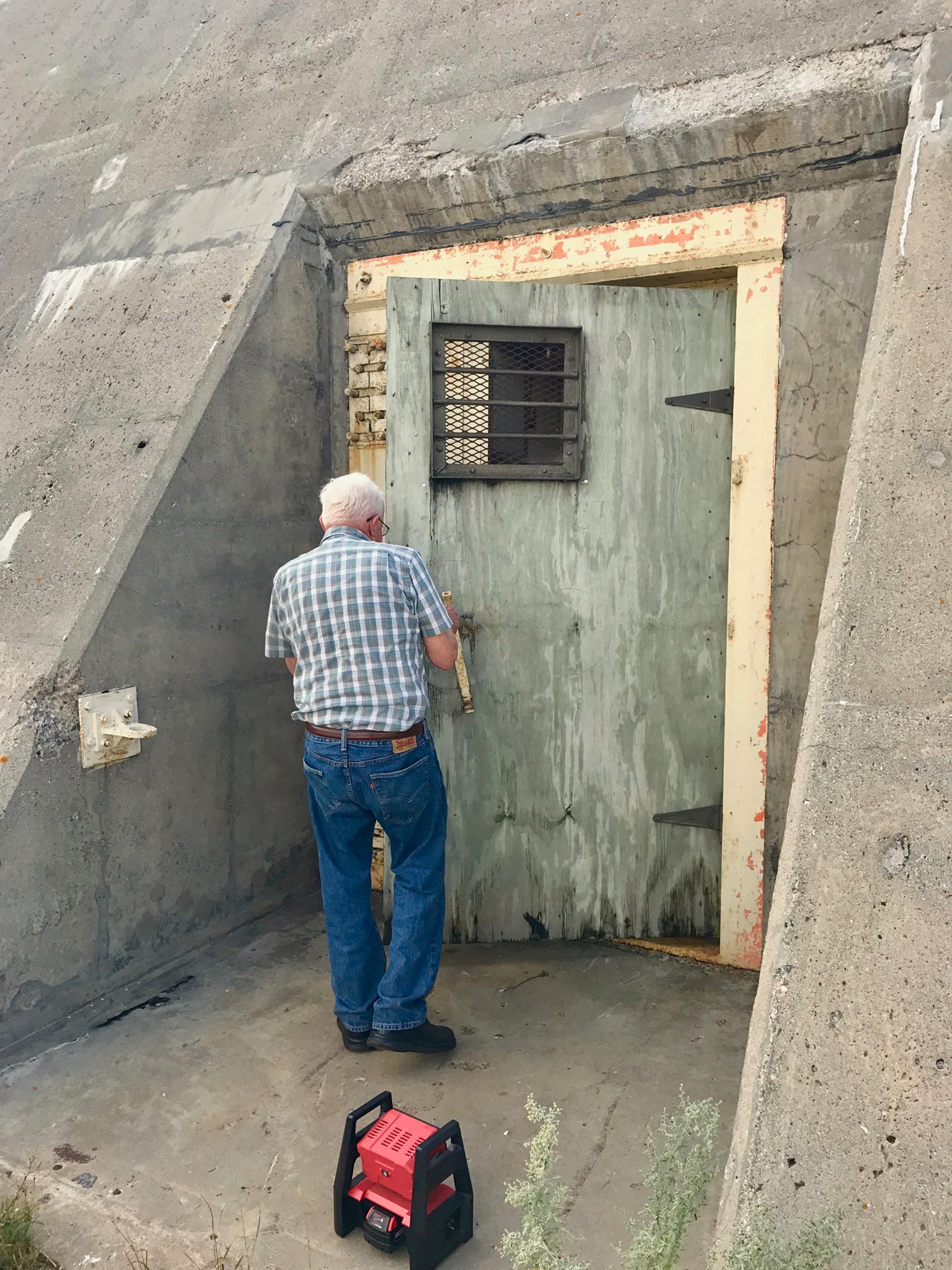
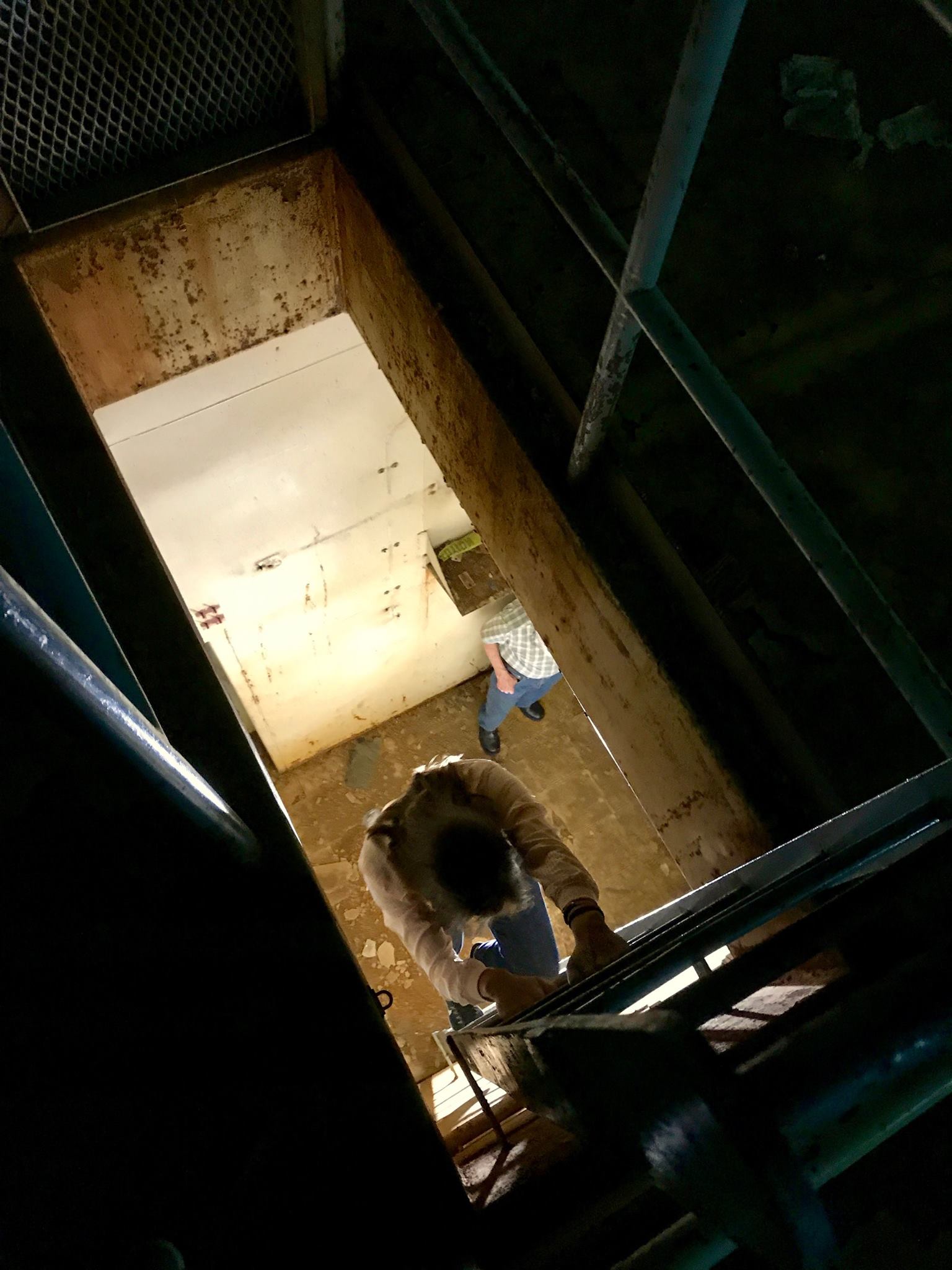
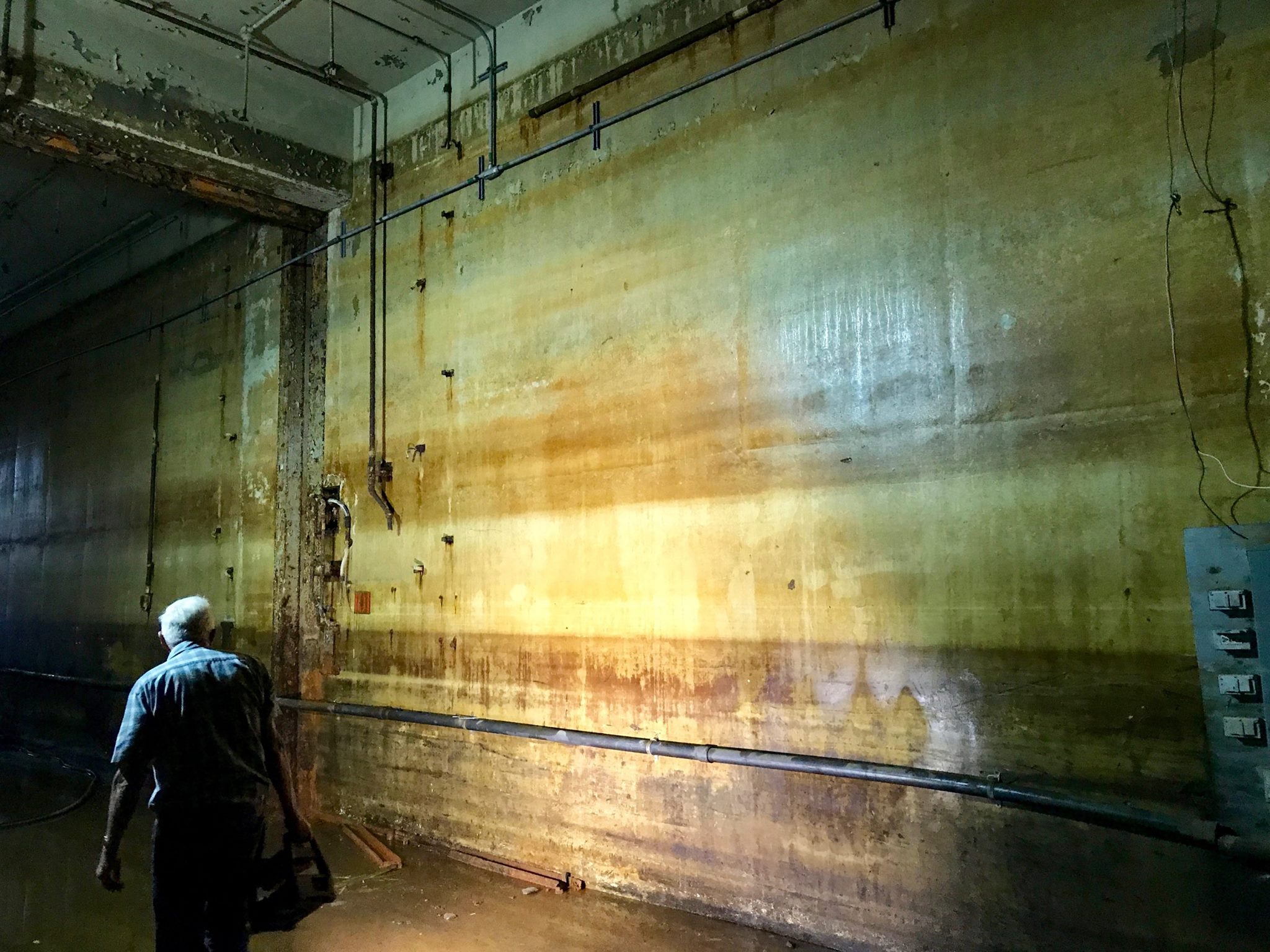
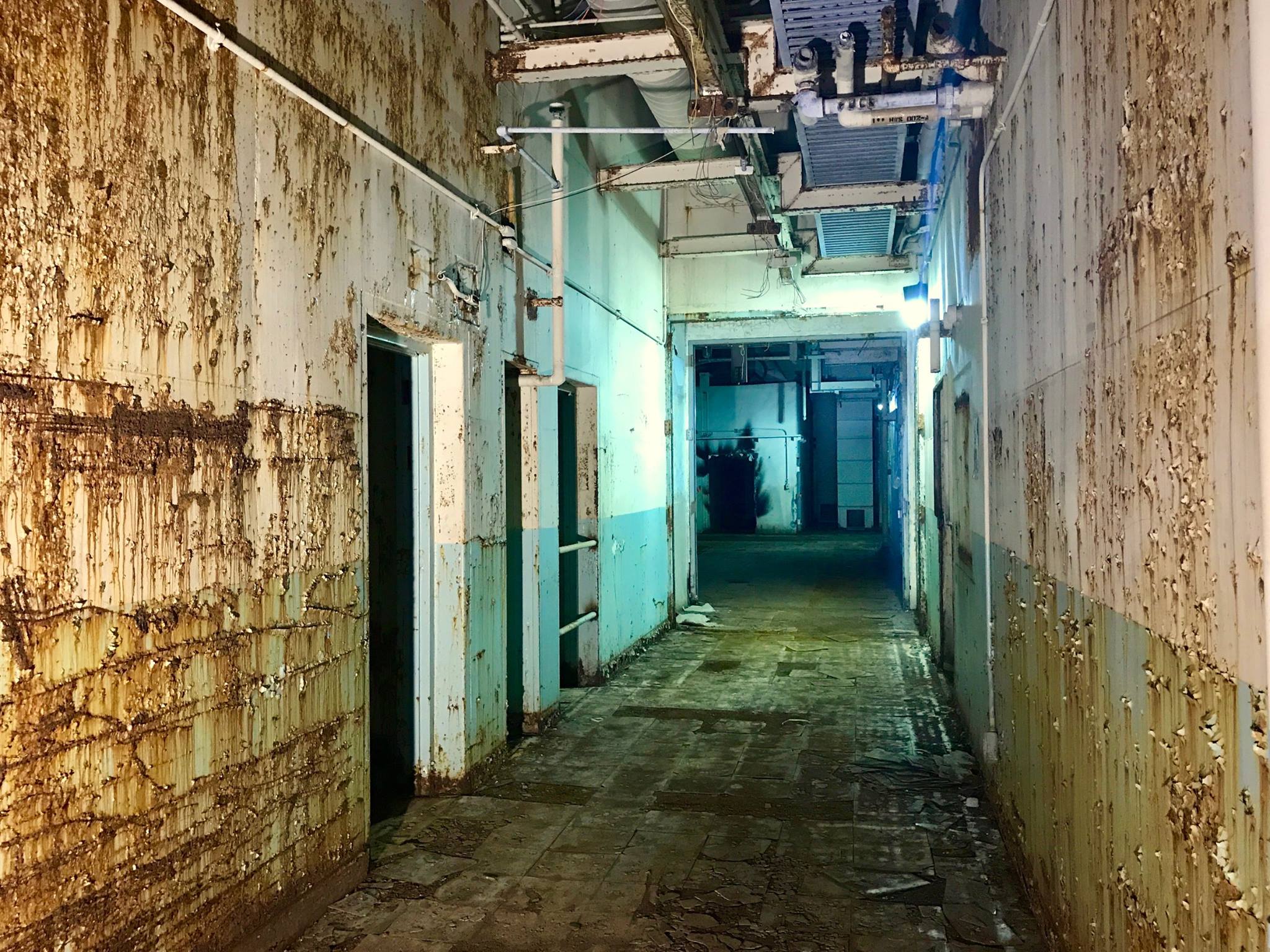
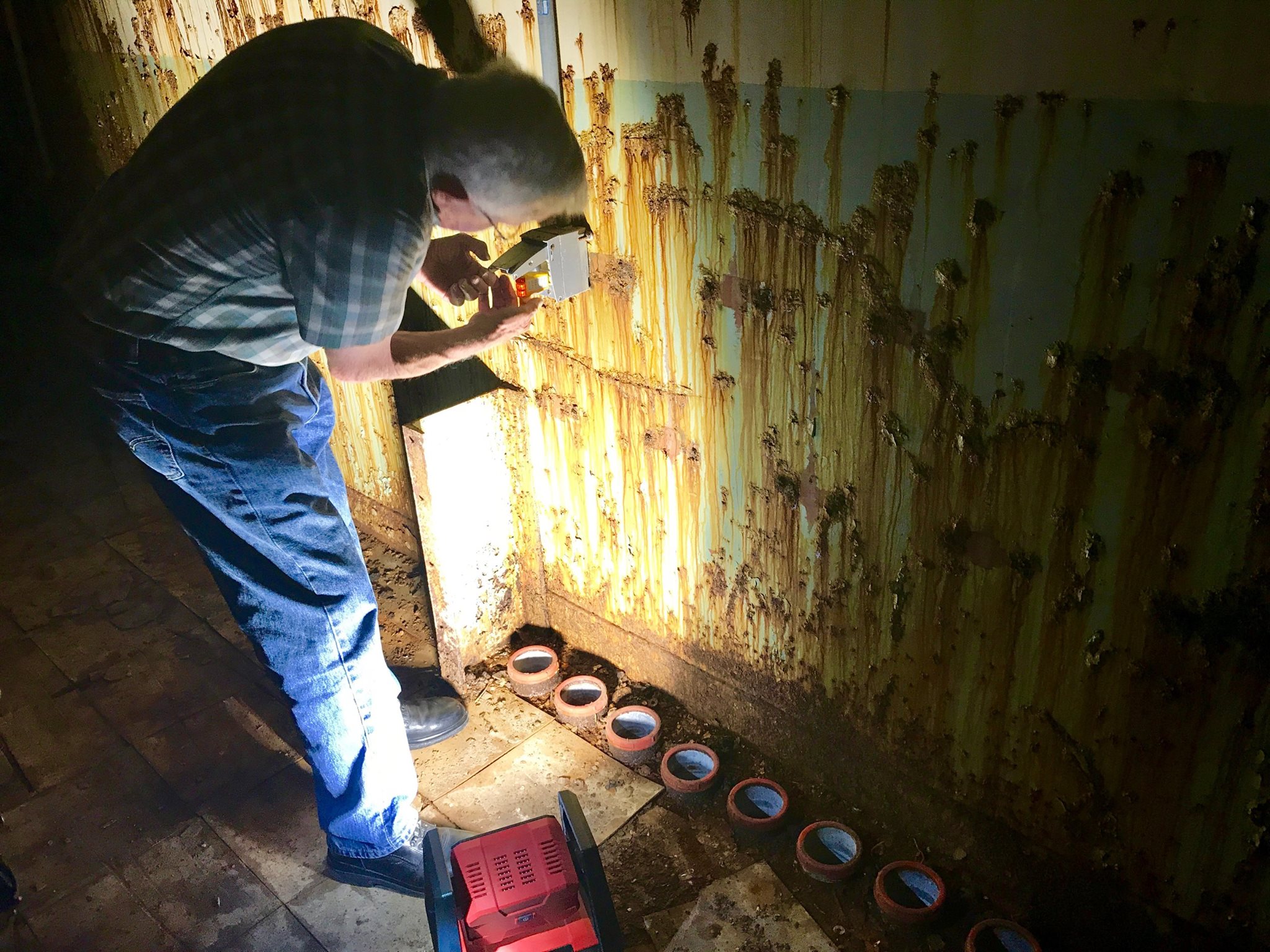
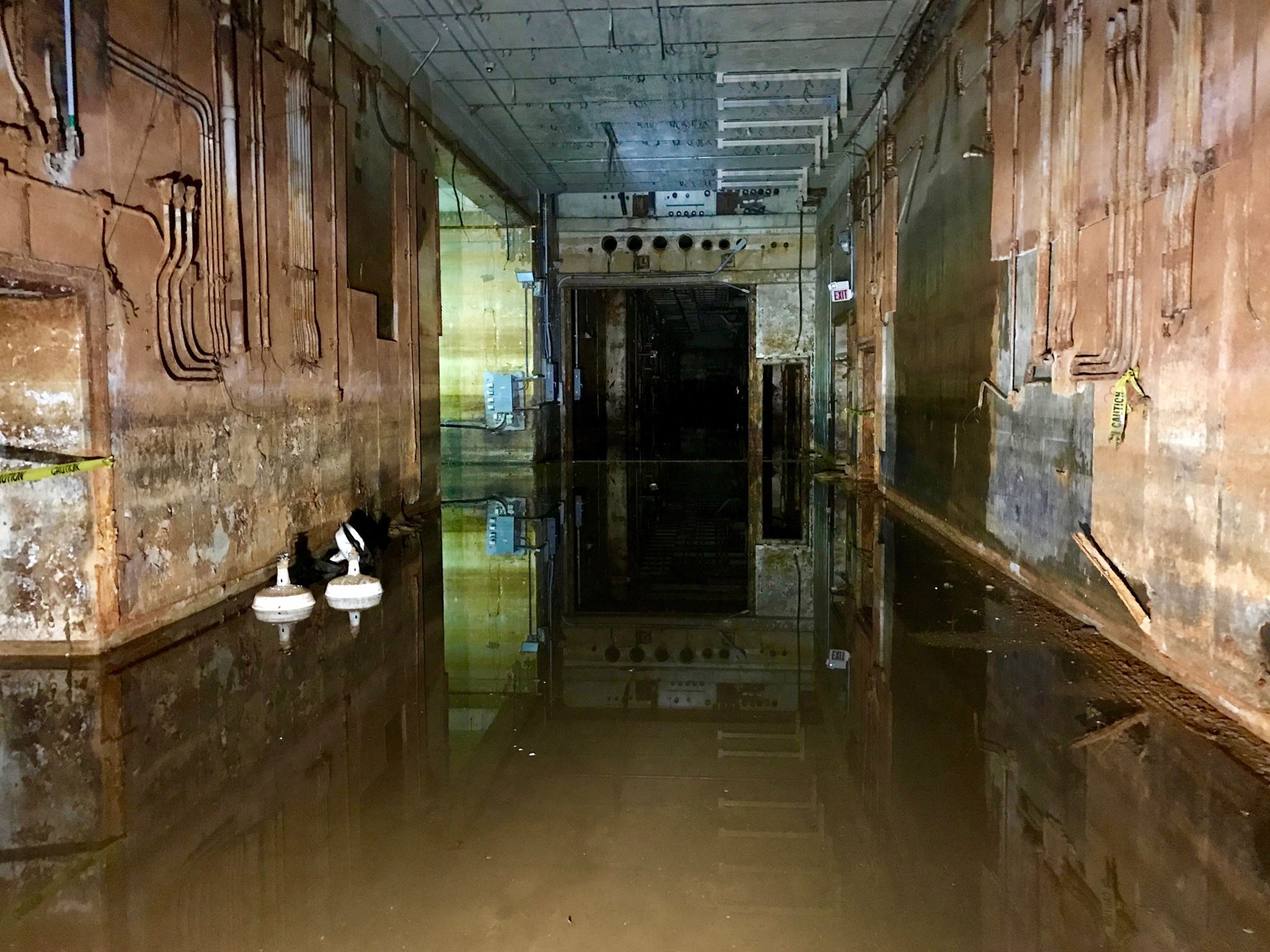
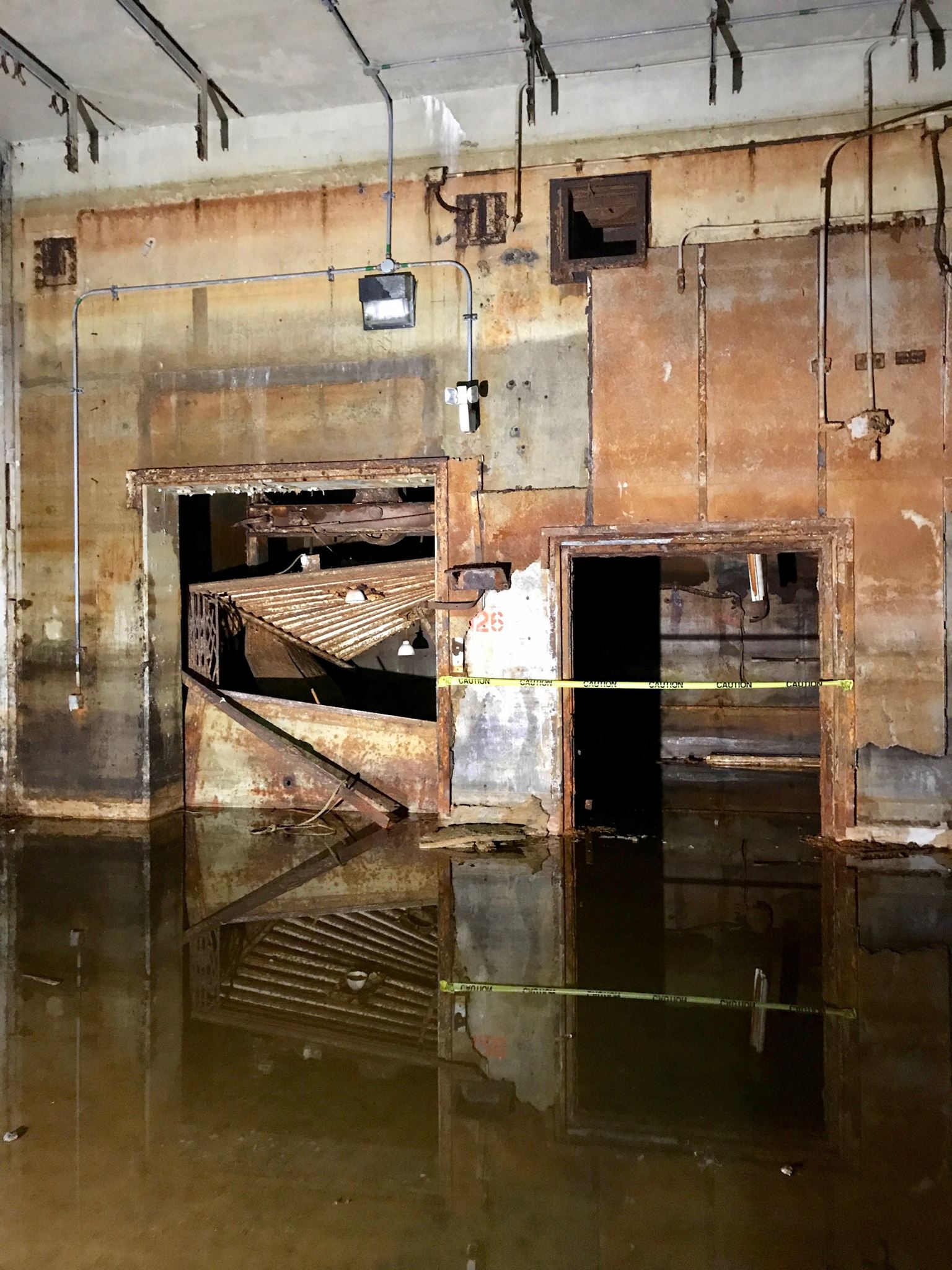
By 1977, all Mickelsen’s missiles were removed, their silos filled with concrete and sealed shut. Contractors and scavengers then began scrapping steel, copper wiring, and nearly anything of value. For the past 40 years, Mickelsen has remained dormant. In 2012, the federal government placed the site up for auction. The highest bidder, at $530,000 USD, was the leader of a South Dakota Hutterite Colony—a pacifist religious sect. The Hutterites acquired the facility in the hopes of farming soybeans and potentially housing a future colony. The next highest bidder was Cavalier County, who hoped to one day establish a Cold War museum. Save for dozens of active beehive boxes and a few acres of canola crops, the Hutterites have left the base untouched. This lack of attention has proven problematic, though. With its drainage pumps no longer functioning, the pyramid’s lower tunnels are relentlessly inundated with groundwater. Duane, a man in his 70s who is a member of the County Board and lifelong Cavalier resident, has assumed responsibility for solving this problem. He estimates that the makeshift pump he has installed (and tirelessly maintains) has sucked millions of gallons of water out of the tunnels. A black streak bespattered 8-feet above ground in the lower tunnels that we see the following day seems to corroborate this claim. After settling our tab of four dollars, we bid goodnight to our new friends at the Pain Reliever. The following day we arrive at the gates of Mickelsen to meet Duane. We are ten minutes early and he is already waiting for us. After unlocking the gates, he leads us across the missile fields and into each of the two underground bunkers where doomsday devices capable of bringing humankind to extinction were once tested and repaired. We then proceed to the pyramid where, flashlights in hand, we traverse each of its five labyrinthine floors.

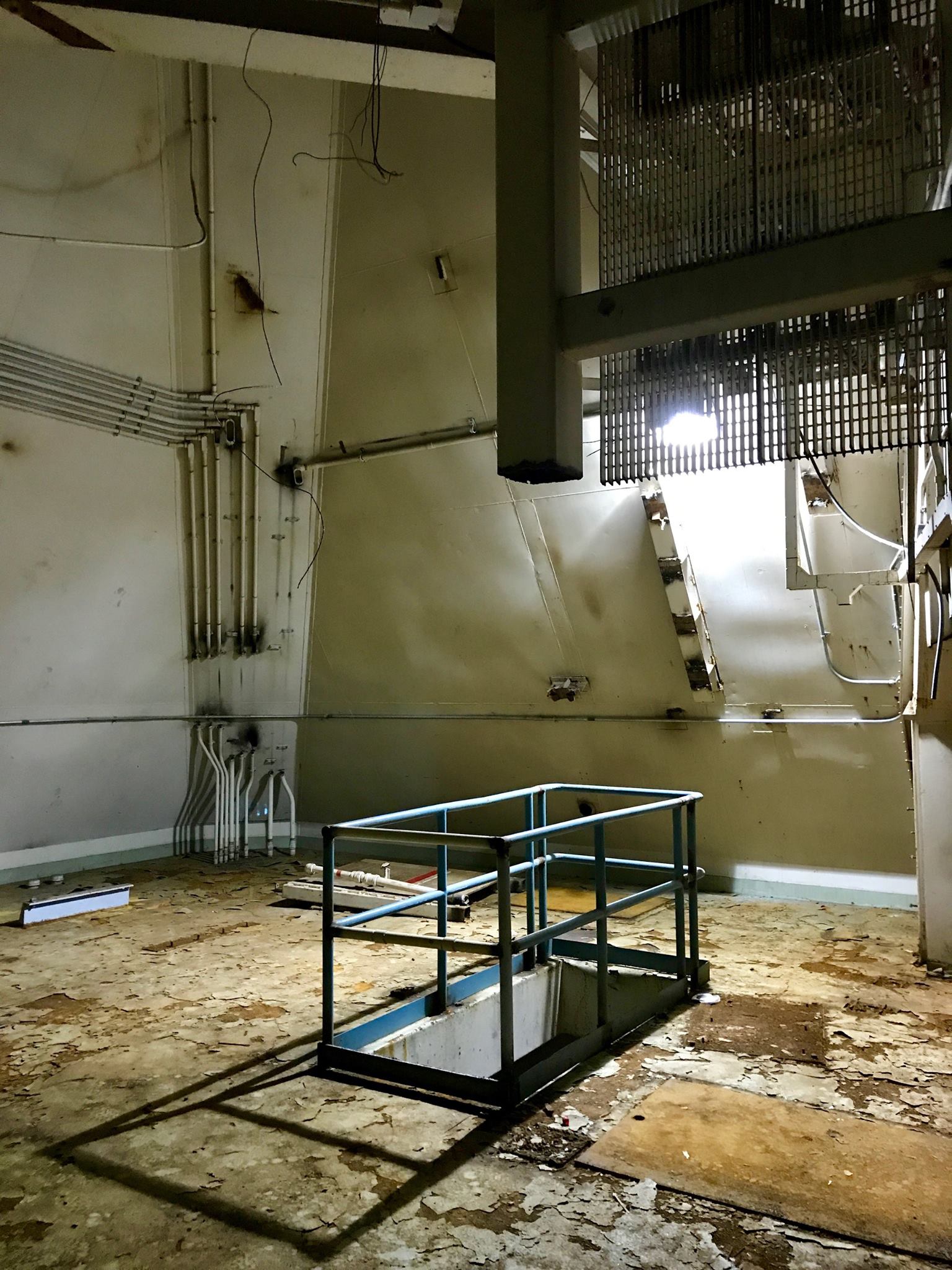
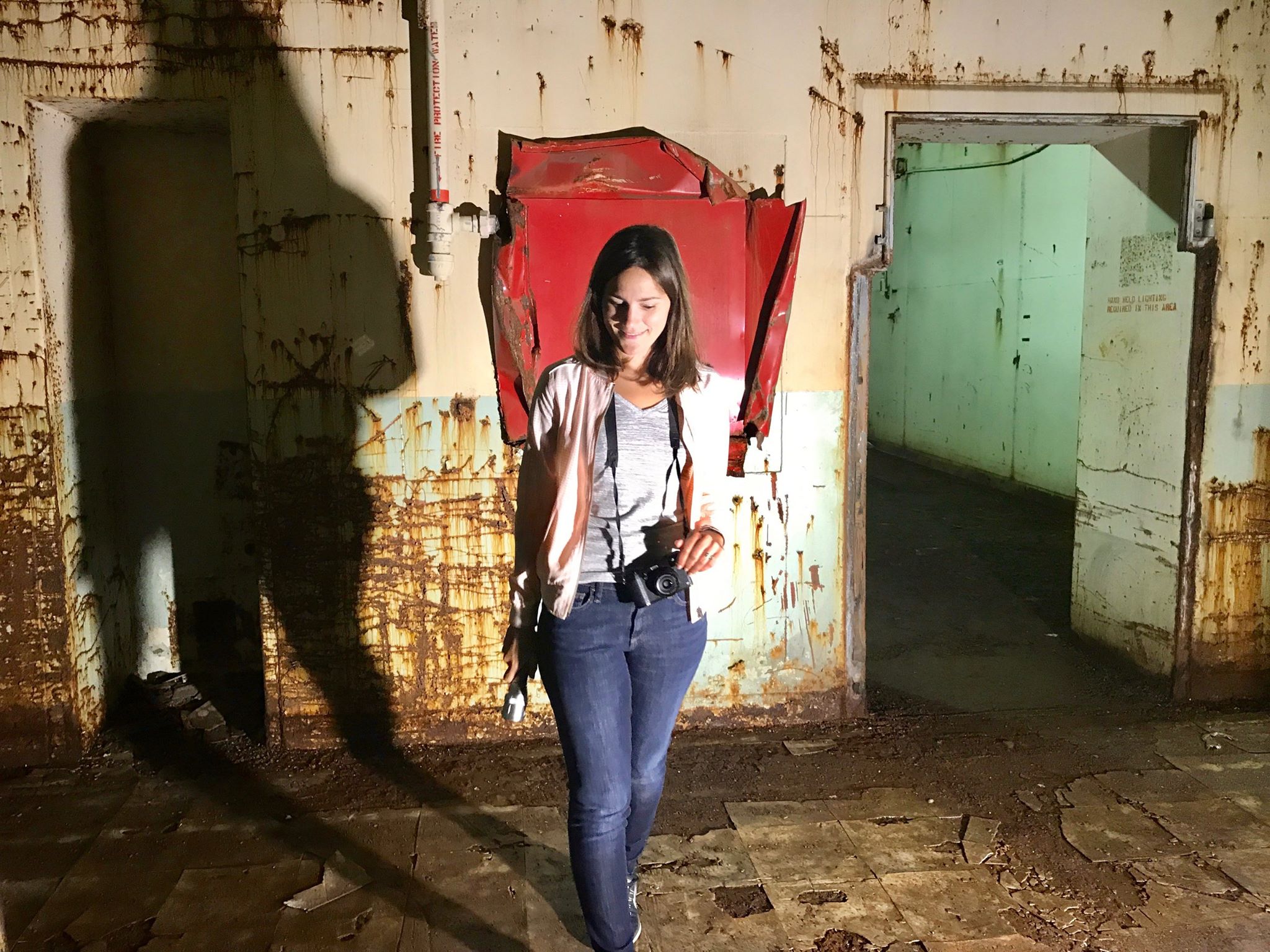
As we move below the earth’s surface, the air becomes cold and damp and the walls demonstrate what a Jackson Pollock might look like if only it could rust. We then swap sneakers for rubber firefighter boots and Duane steers us through the deluged tunnels under the towering steel diesel engine silos.

Afterward, we trek to the once bustling base to see where Mickelsen’s personnel caught the latest films, bowled, and cashed their weekly paychecks. After the tour, Duane suggests we grab a drink at the Pain Reliever. We sit at a table and he sips from a bottle of O’Doul’s. Last night’s giddiness is now supplanted by astonishment at what we have observed over the last five hours. “What a waste—I mean, all the money, infrastructure, and labor that went into building that facility only for it to close so soon after opening,” remarks Becca. “Well, it really wasn’t a waste because it was the necessary step to get us to SALT and peacefully end the Cold War,” Duane fires back.

At that moment we realize that to the rest of the world, a fully-operational Mickelsen and booming Nekoma was but a blip on a radar screen. But for Nekoma’s remaining residents, including Duane, Margie and Ella, that brief period marks a time in which their small town helped the nation indirectly avert doomsday. And in that way The Stanley R. Mickelsen Complex has left a far more lasting impression.

*Extra special thanks to Duane and the proprietors and patrons of the Pain Reliever for their kindness and hospitality.